Francisco Fierro
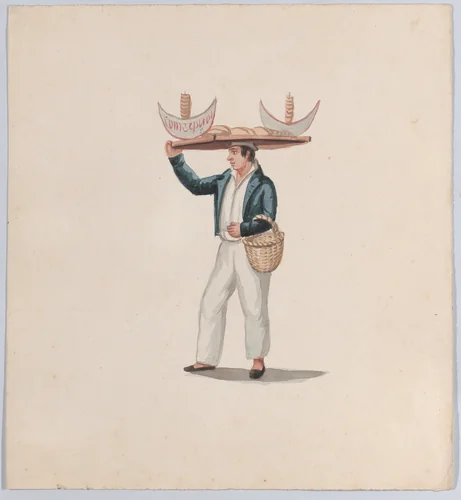
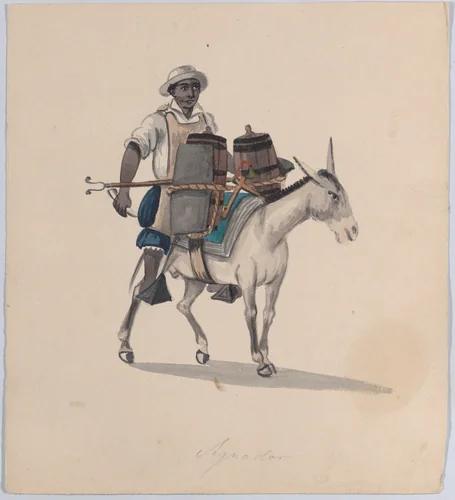
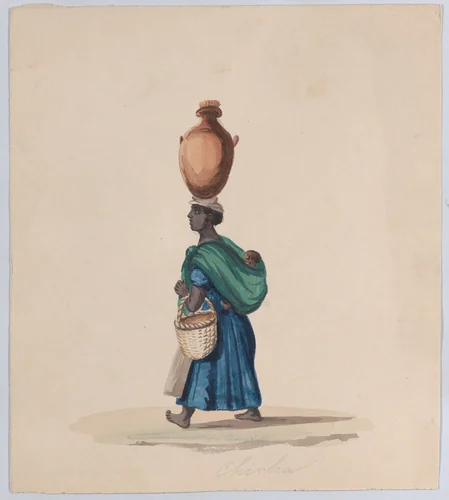
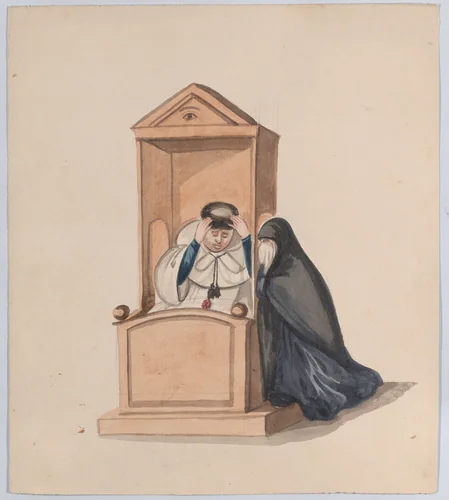
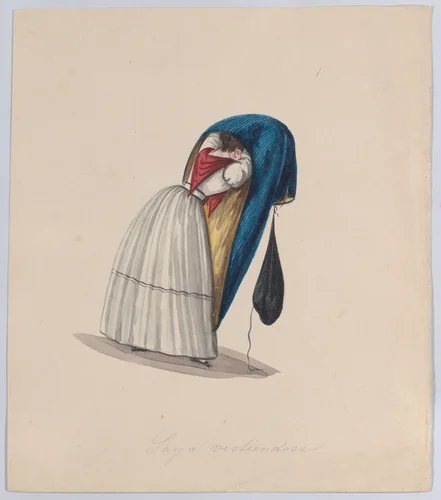
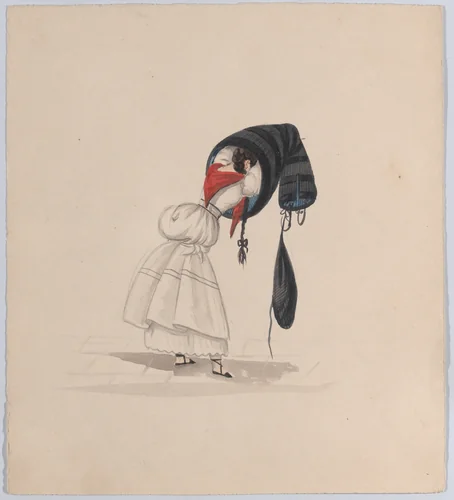
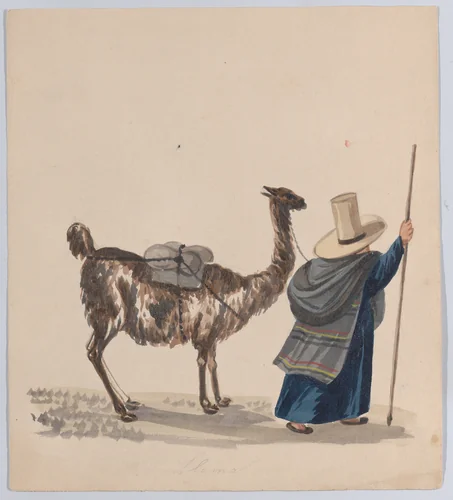
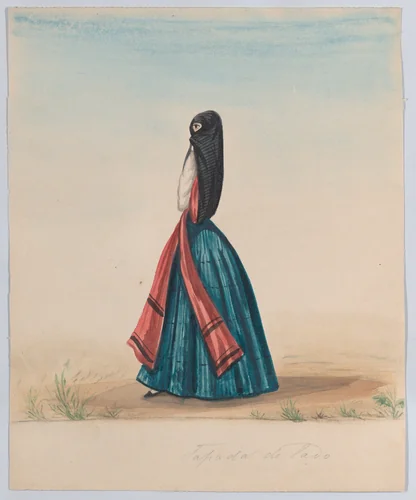
Francisco Fierro Palas, known affectionately as "Pancho" Fierro, occupies a unique and pivotal position in the history of Peruvian visual arts. Active primarily around 1843, he became the foremost exponent of the costumbrista style in Lima, dedicating his practice to the detailed documentation of his country's life, fashions, and daily rituals following independence. Fierro’s focused artistic output, consisting of approximately fifteen known drawings and a wider body of watercolors, serves as an unparalleled visual census of early Republican society.
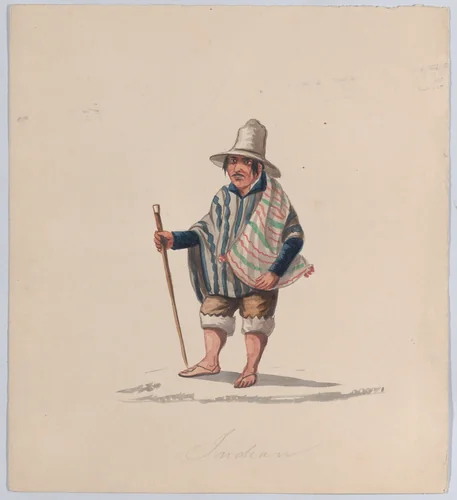
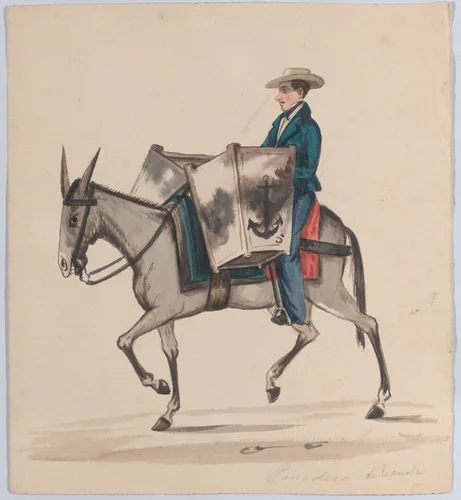
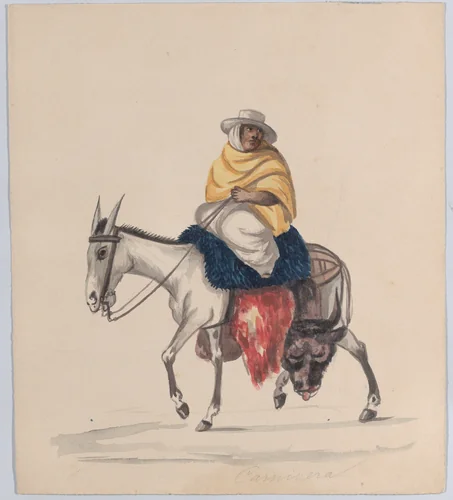
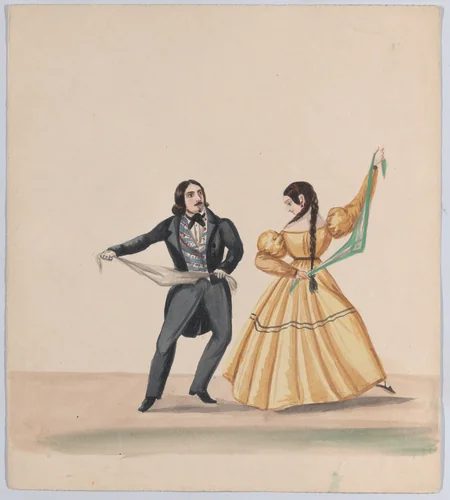
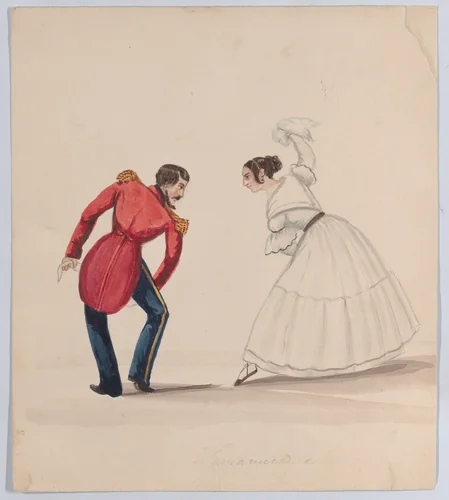
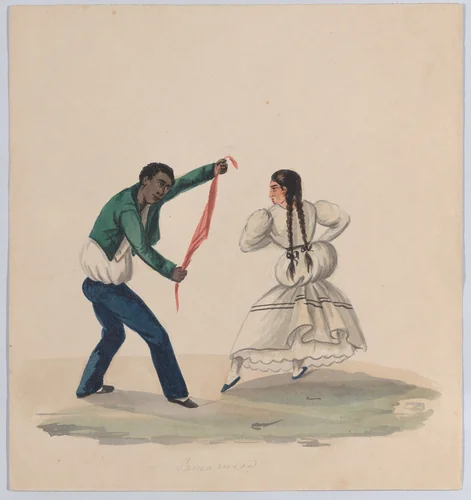
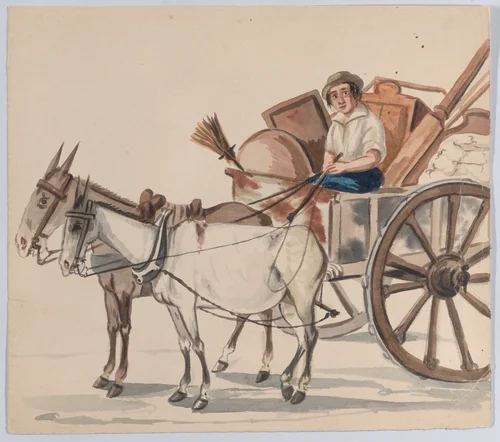
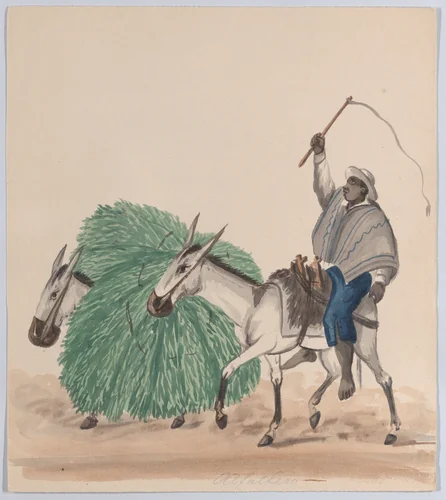
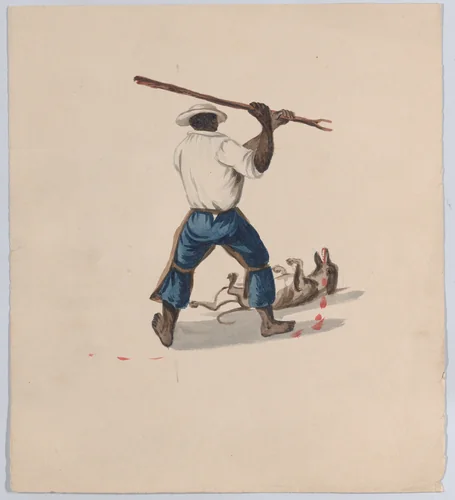
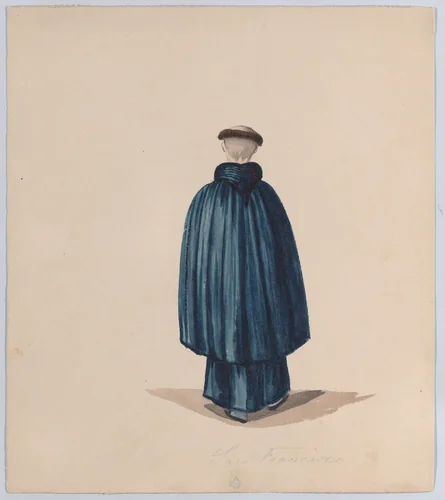
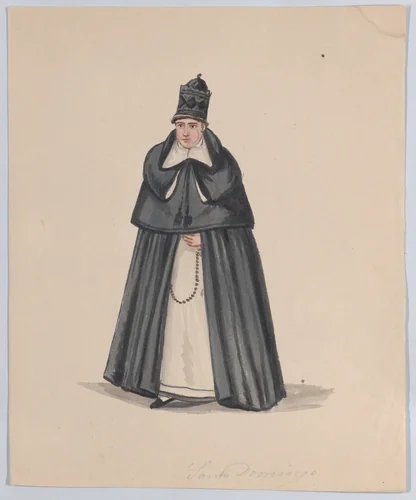
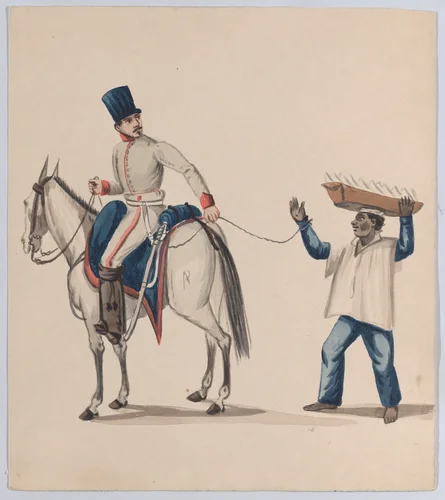
Unlike artists working on historical or religious commissions, Fierro focused his gaze on the popular culture of the street, emphasizing ethnography and social observation. His work details the hierarchies of Peruvian dress, the peculiarities of local trades, and the energy of communal recreation, capturing fleeting moments with immediacy and precision. This documentary impulse is evident across his catalogue, which includes penetrating studies such as A Peruvian man, from a group of drawings depicting Peruvian dress, and the charming documentation of commerce seen in A baker on horseback and A butcher riding a donkey. His watercolors further illuminate the social fabric by capturing popular pastimes, notably in his lively depiction of A man and woman dancing the Zamacueca, which freezes the spirited national dance in time.
Fierro’s ability to imbue rapid, spontaneous studies with defining character elevated his depictions beyond mere reportage. He captured the posture and attitude that defined his subjects, preserving a visual record of an era undergoing fundamental social shifts. It is an understated observation that few artists have managed to distill the essence of a capital city’s disparate populace with such economic grace.
Today, these historically important works are recognized as museum-quality artifacts and are preserved in significant international collections, including the Metropolitan Museum of Art. Given the age and importance of the studies, many of the Francisco Fierro prints are now accessible in the public domain, allowing researchers and enthusiasts to obtain downloadable artwork and high-quality prints, ensuring that his vital record of nineteenth-century Peruvian customs remains widely available for study.