Francisco de Zurbarán
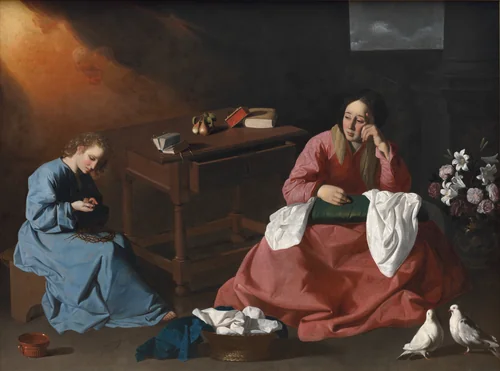
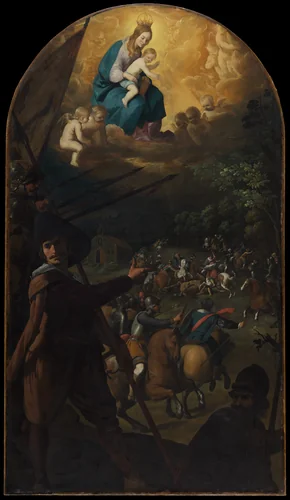
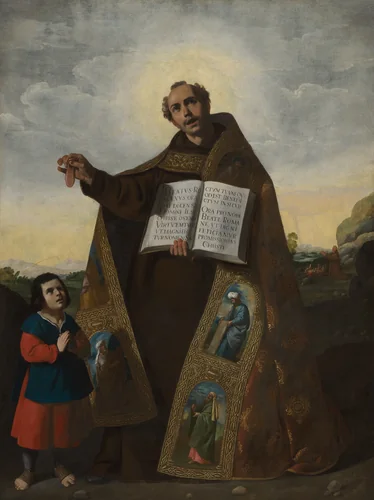
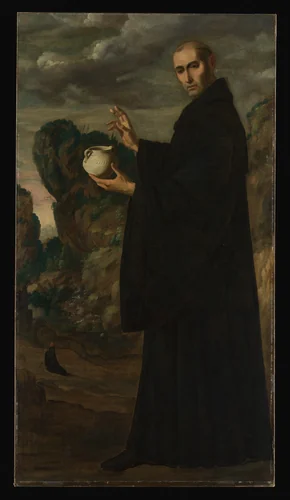
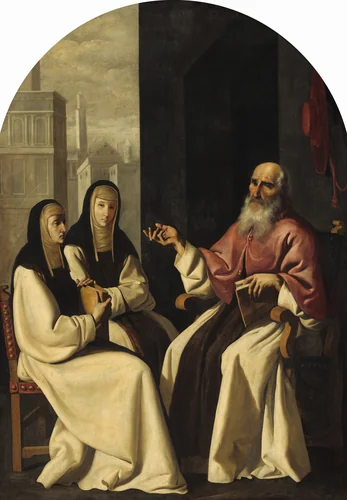
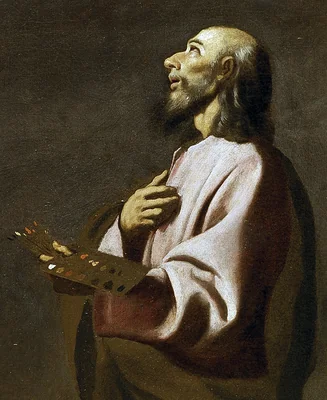
Francisco de Zurbarán (1598-1664) stands as a foundational master of the Spanish Golden Age, renowned for his intense focus on spiritual drama and ascetic devotion. His artistic identity is inseparable from his forceful and systematic employment of chiaroscuro, the dramatic use of light and shadow, a technique so defining that it earned him the telling moniker, "the Spanish Caravaggio." Primarily dedicated to religious paintings, Zurbarán specialized in depicting the figures of the cloister, rendering monks, nuns, and martyrs with a solemn, sculptural gravity that emphasized spiritual isolation.
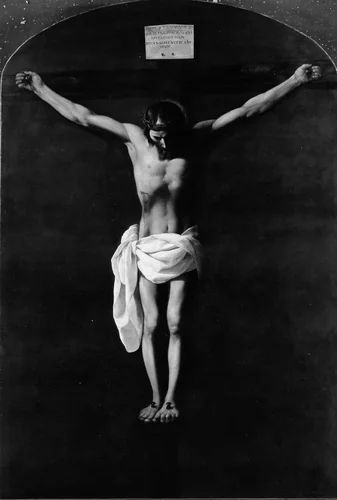
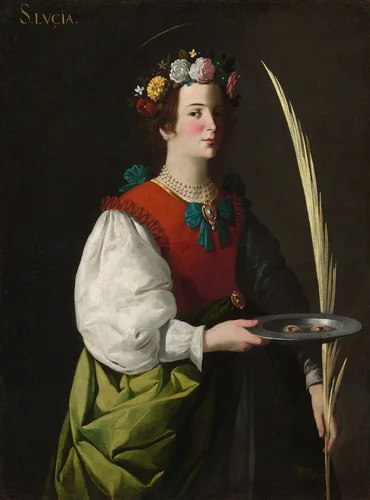
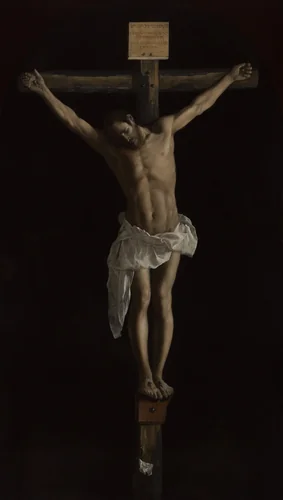
Unlike the theatrical dynamism often associated with contemporary Italian Baroque, Zurbarán’s style is characterized by a stark, controlled stillness. His compositions eschew complex backdrops, allowing the subjects, such as those found in The Crucifixion or Saint Lucy, to emerge from profound, nearly absolute darkness. This meticulous approach emphasized texture and form, a stylistic hallmark that applied equally to the human figure and the inanimate objects he rendered.
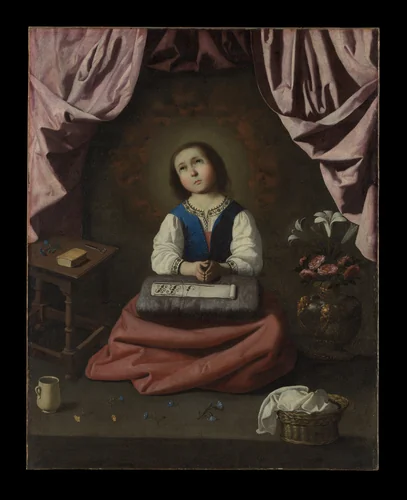
This sense of profound realism is particularly evident in his limited but highly esteemed body of still-lifes, which often possess an austere, almost sacramental quality, transforming everyday fruit or pottery into symbols of spiritual permanence. He was arguably the most successful painter of fabric in Spain; the robes of his monastic subjects possess a convincing weight and fold that few contemporaries could equal, suggesting a keen eye for tailoring as well as for transcendental expression.
Zurbarán’s influential career spanned a critical period in Seville before he moved to Madrid. Today, major examples of Francisco de Zurbarán paintings are cornerstones of global museum collections, including the Metropolitan Museum of Art and the National Gallery of Art. The enduring power of his dramatically lit compositions means that high-quality prints and downloadable artwork derived from these primary sources remain widely available. As many of his masterpieces are now designated public domain, art enthusiasts worldwide can easily access royalty-free reproductions of his most powerful spiritual renderings.
Source: Wikipedia · CC BY-SA 4.0