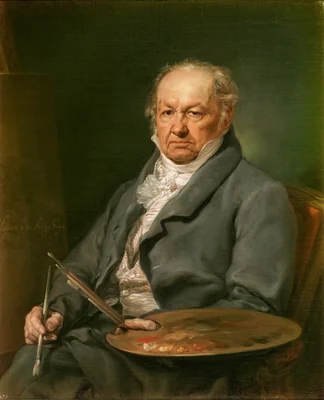
Francisco de Goya
Francisco José de Goya y Lucientes (1746–1828) holds a singular and crucial position in the history of European art. Widely regarded as the most important Spanish artist spanning the late eighteenth and early nineteenth centuries, Goya functioned simultaneously as the culmination of the courtly tradition and the foundational progenitor of modern sensibility. His extensive output in paintings, drawings, and especially prints, provides an unflinching reflection of the contemporary political and social upheaval that defined his era. He is frequently cited, with good reason, as the last of the Old Masters and, simultaneously, the first of the moderns.
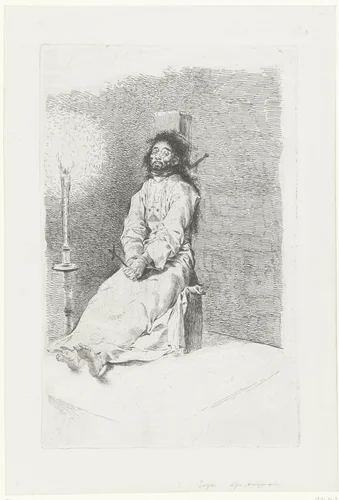
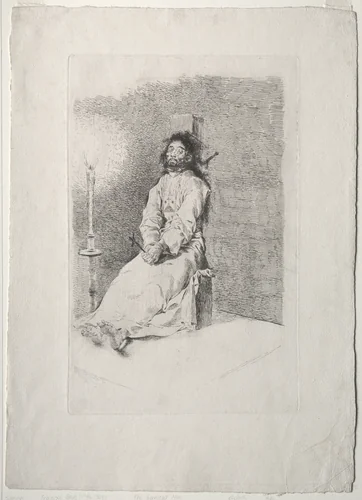
Goya’s career marks a profound transition, transforming the established methods of image making into powerful vehicles for personal commentary and often savage social critique. While he served the Spanish crown, his most enduring innovations emerged from his mastery of etching and aquatint. The active period between 1778 and 1797 showcases his growing commitment to graphic realism, a trait evident in works such as The Garroted Man (or its Dutch counterpart, Terechtgestelde aan de wurgpaal), which documents the grim spectacle of official justice with chilling objectivity.
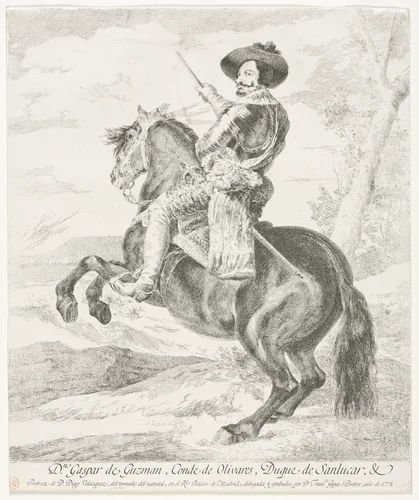
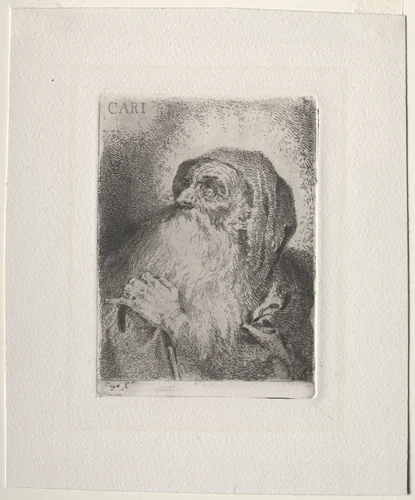
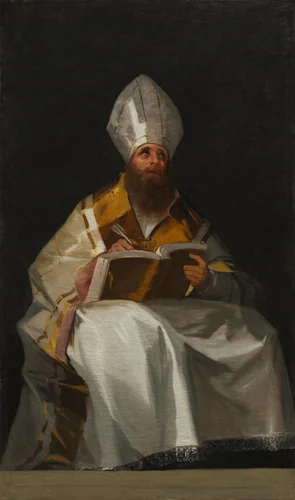
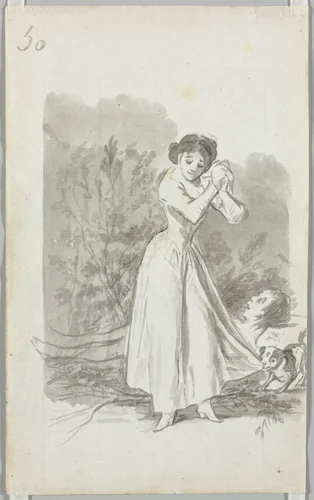
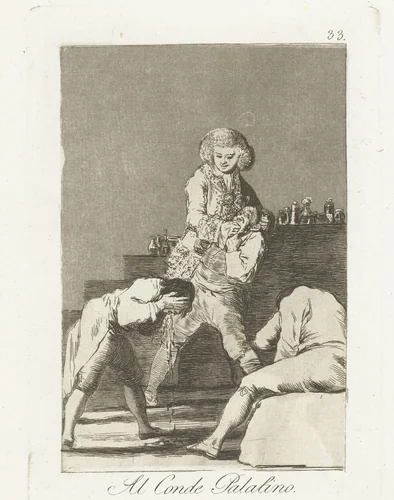
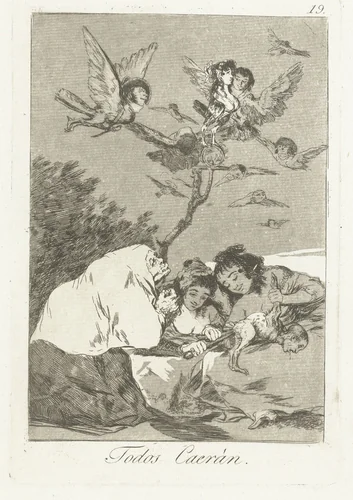
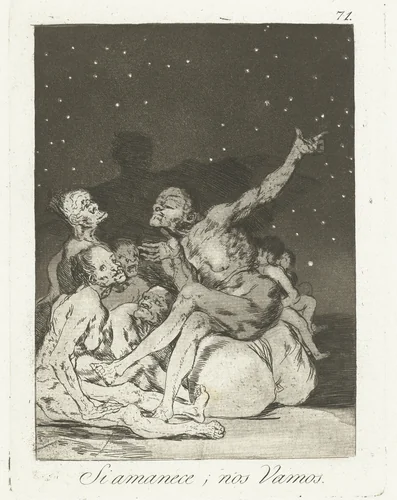
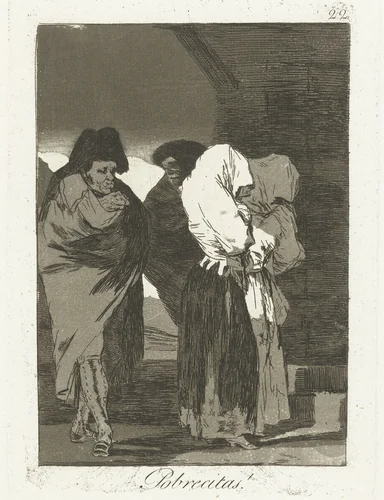
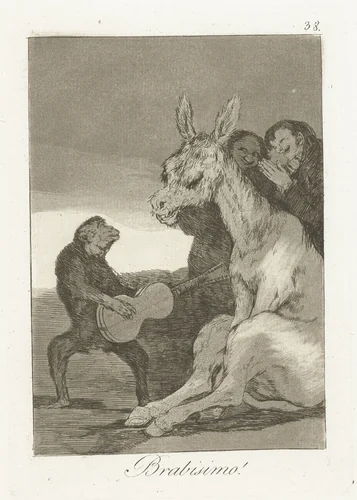
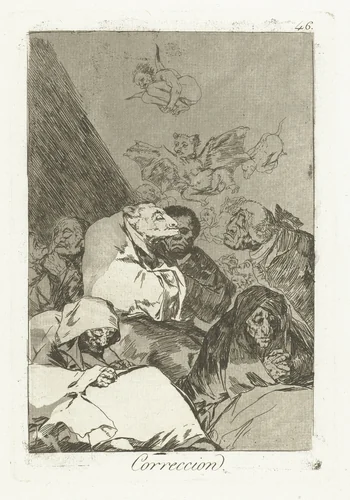
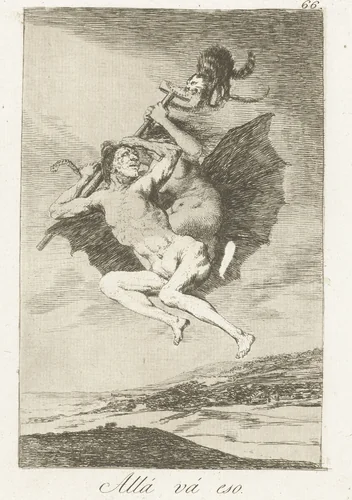
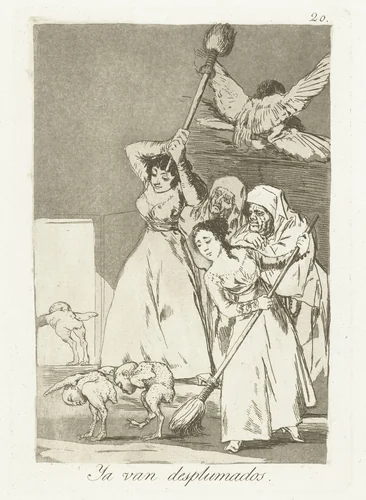
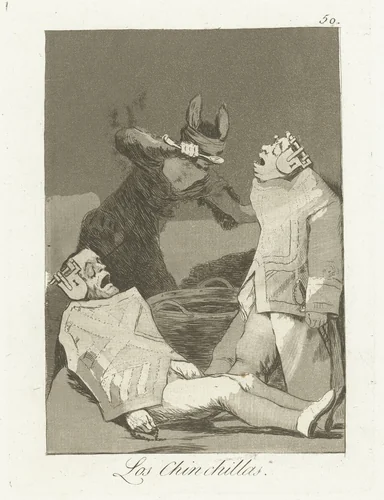
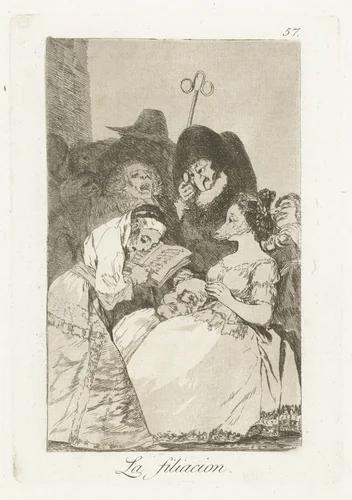
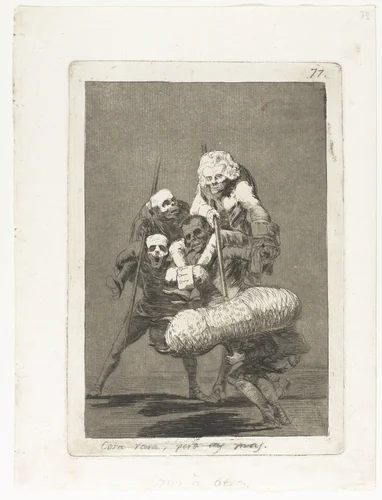
This graphic output existed alongside his more traditional patronage roles, demonstrated by formal portrait work like Gaspar de Guzman and the preparatory religious studies, including San Francisco de Paula (Caritas). These works, held in collections such as the Rijksmuseum and the Cleveland Museum of Art, showcase the technical excellence required of a successful court painter. Yet, Goya’s enduring legacy is rooted in his dedication to depicting internalized psychological states rather than mere narrative. He employed his profound series of high-quality prints to examine superstition and the darkness beneath human custom.
Goya’s influence on the succeeding generations of European artists is undeniable and profound. It is perhaps Goya’s ultimate irony that the artist who chronicled human cruelty with such stark clarity was initially commissioned to design charming, brightly colored royal tapestries. Today, the widespread availability of his works in the public domain ensures that drawings and Francisco de Goya paintings remain accessible for study. His continued relevance confirms his status as a visionary who ushered in a new era defined by subjective observation and artistic freedom.
Source: Wikipedia · CC BY-SA 4.0