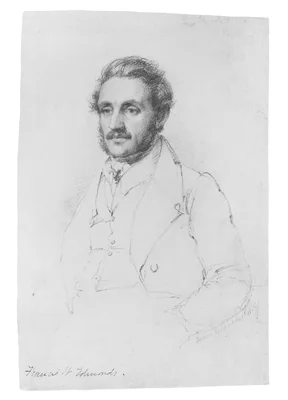
Francis William Edmonds
Francis William Edmonds (1806-1835) was a defining figure among the early American genre painters whose works meticulously documented the emerging social and moral landscape of the nineteenth century. Working primarily in New York, Edmonds earned recognition for specializing in scenes of quotidian life, capturing both domestic intimacy and moral instruction. His artistic contributions secured his place in leading institutions, notably The Metropolitan Museum of Art.
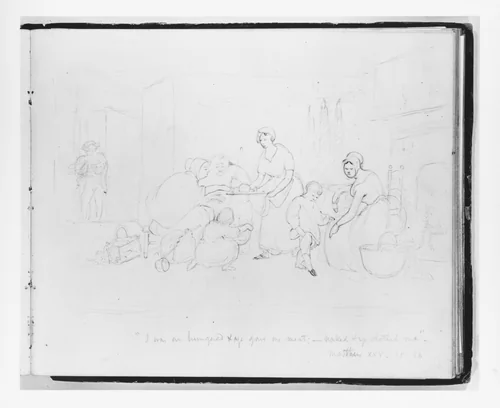
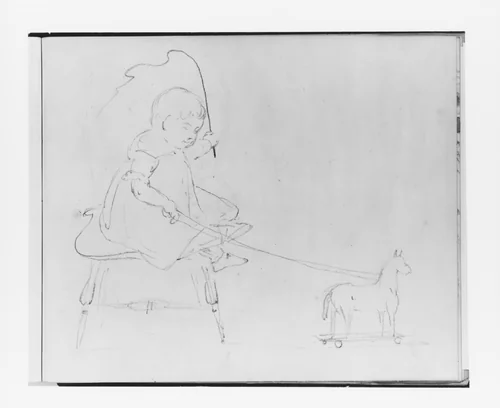
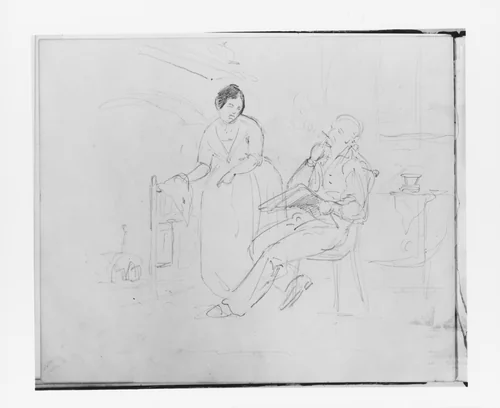
Stylistically, Edmonds deliberately adopted the visual vocabulary of the 17th-century Dutch painters. This commitment to historic influence resulted in compositions that favored rich detail, tightly controlled realism, and an often understated wit in their portrayal of human interaction. His subjects ranged from tender domestic sketches, such as Baby with a Toy Horse, to scenes of social commentary, exemplified by the drawing titled "I was hungered and ye gave me meat; —naked and ye clothed, me." Matthew XXV: 35–36. The lasting appeal of Francis William Edmonds paintings lies in their successful transformation of mundane American life into high-minded pictorial narratives.
A unique characteristic of Edmonds’ professional life was his rigorous commitment to dual, demanding careers. While cultivating his artistic output, he simultaneously maintained a prominent occupation in the world of banking and finance. It is tempting to surmise that the analytical precision and structural discipline required in his financial role contributed significantly to the compositional balance and clarity evident in his artistic endeavors. This unusual fusion of fiscal exactitude and artistic sensibility distinguishes him among his contemporaries.
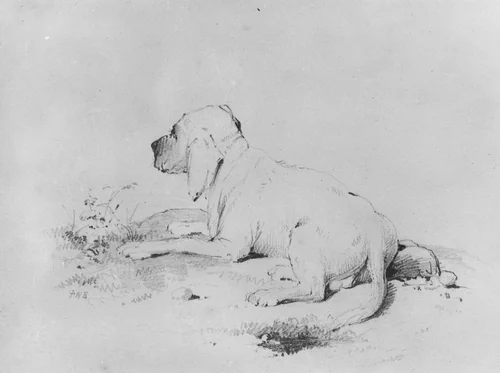
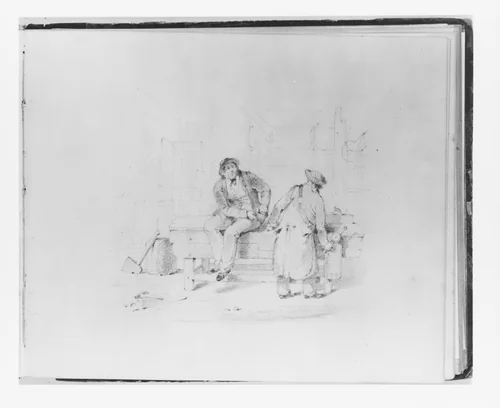
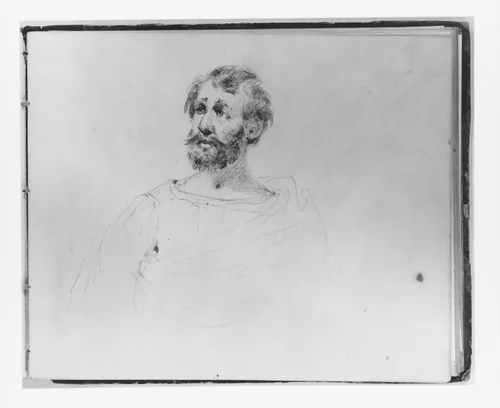
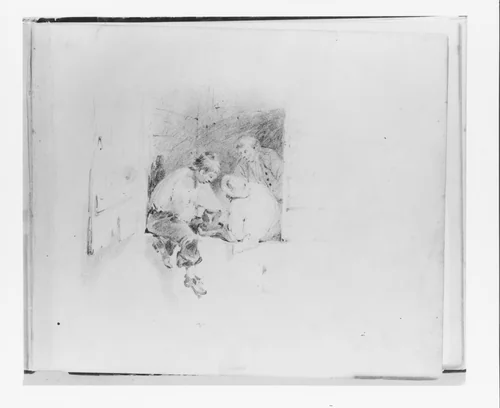
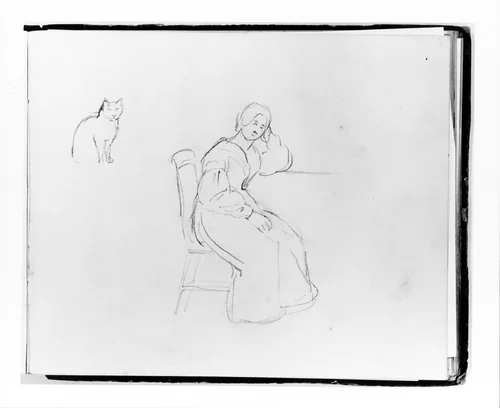
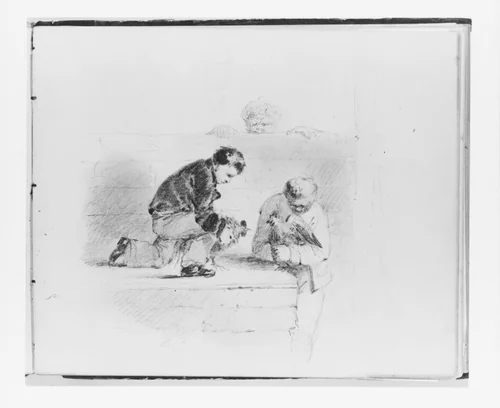
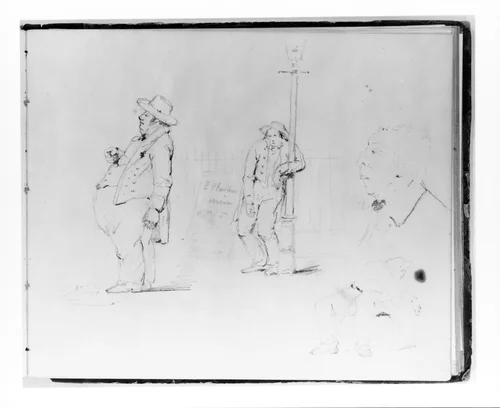
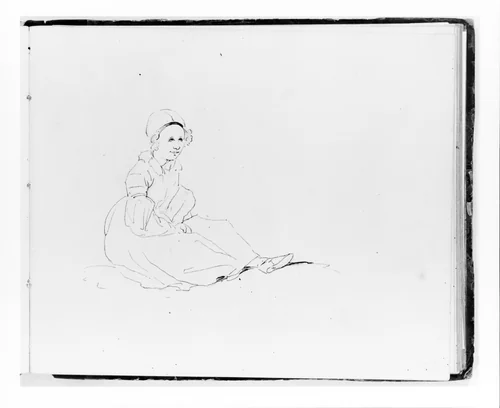
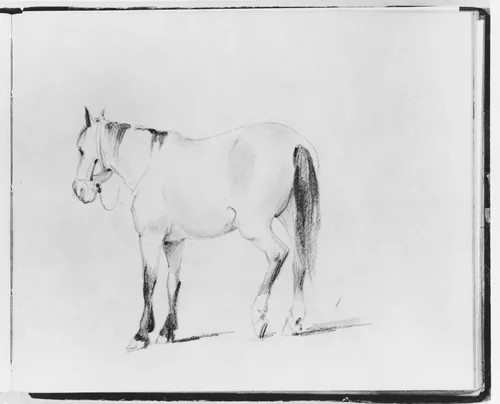
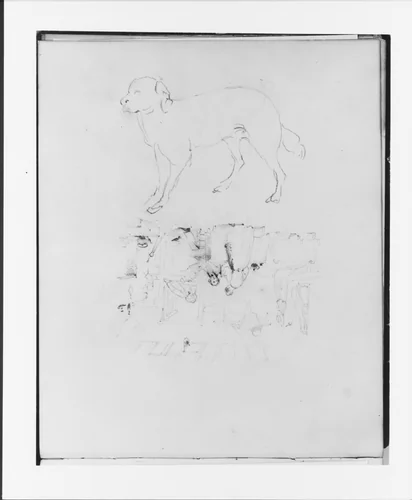
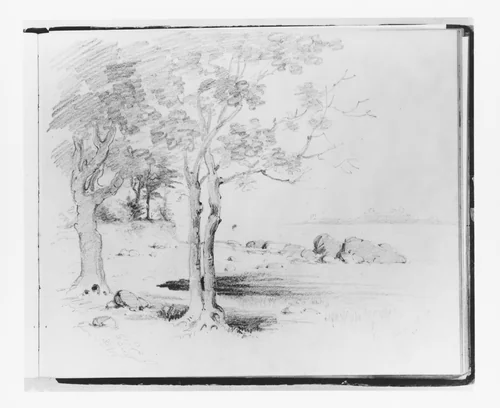
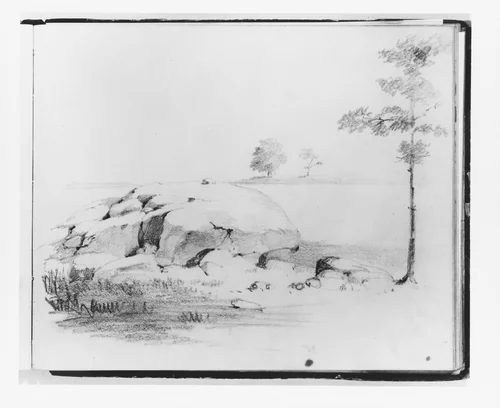
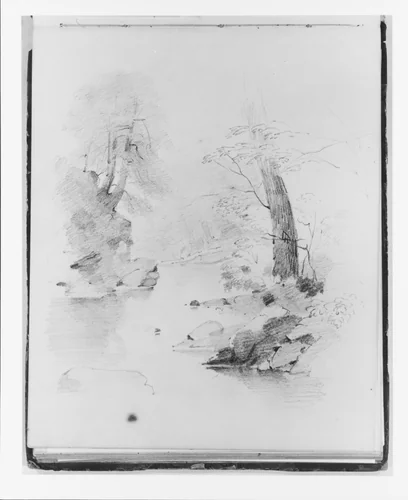
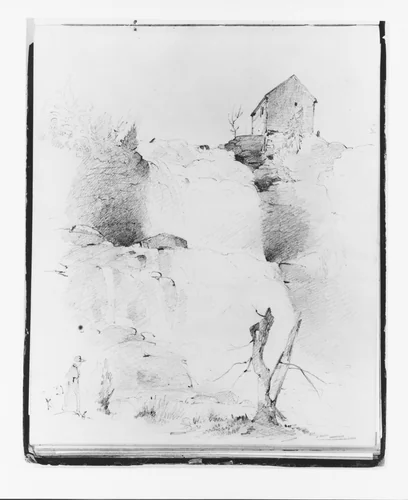
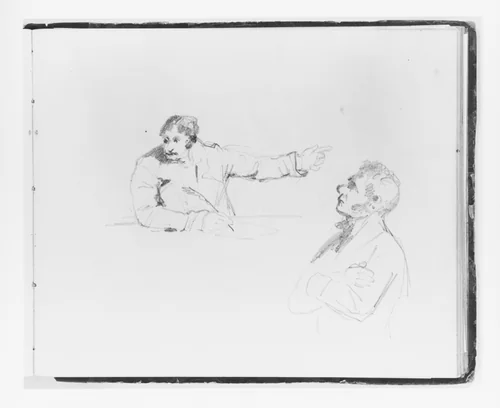
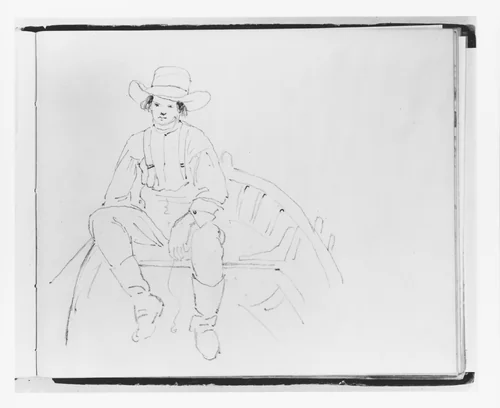
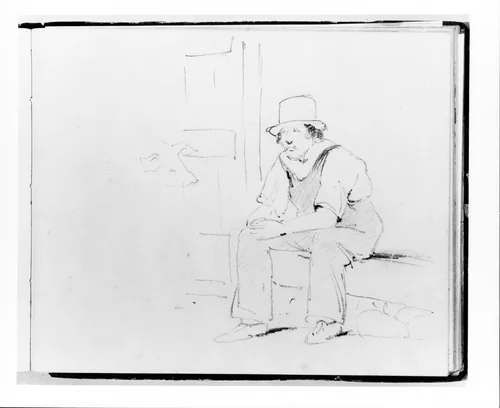
Although his active period was relatively brief, Edmonds’ dedicated practice left behind a substantial collection of preparatory work and finished pieces. His surviving sketchbooks, containing studies like Dog and Two Men on a Workbench with a Vice, demonstrate an unrelenting pursuit of form and character study. The historical and artistic value of these materials ensures their continued status as museum-quality resources. Today, many of his important drawings are available as downloadable artwork, offering students and collectors the opportunity to acquire high-quality prints for closer study of this significant American master.
Source: Wikipedia · CC BY-SA 4.0