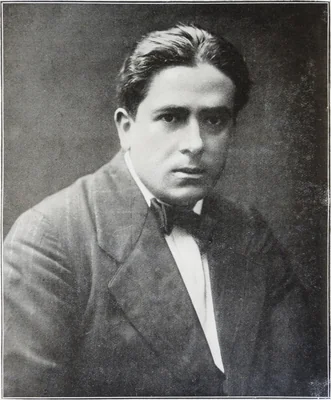
Francis Picabia
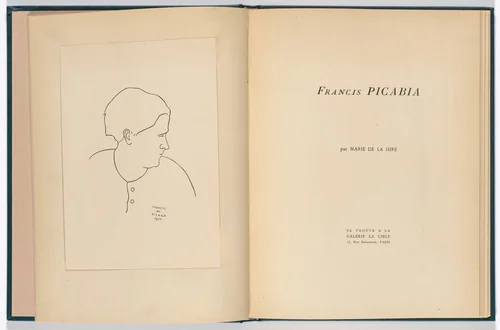
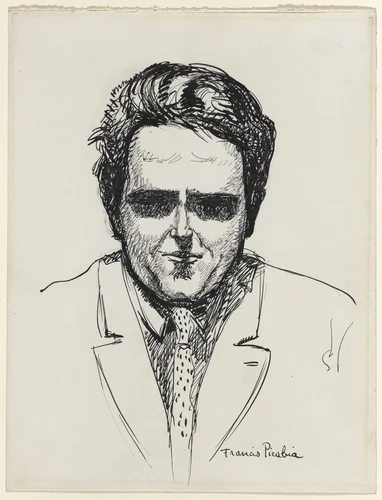
Francis Picabia (1879–1953) stands as one of the most restlessly inventive figures of the twentieth-century avant-garde. A French polymath, his practice defied easy categorization, encompassing painting, writing, filmmaking, poetry, and typography. His prolific early career, spanning 1901 to 1920, tracked the tumultuous shifts in modern art, from a luminous, early phase rooted in Neo-Impressionism and Fauvism to a highly influential, abrasive involvement with the birth of Cubism and subsequently, Dada.
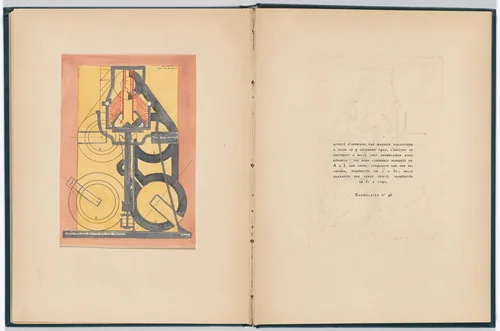
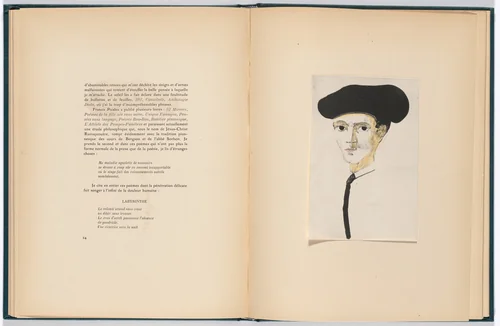
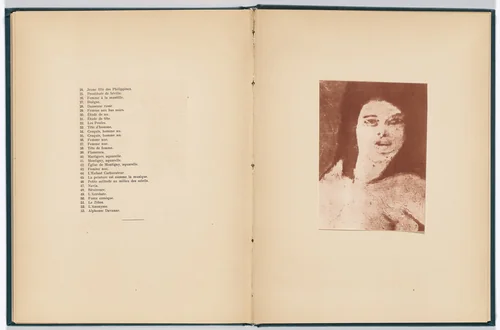
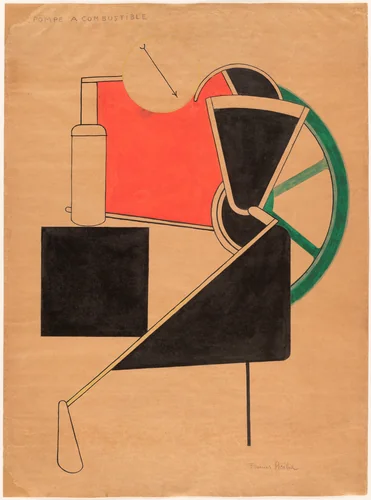
This radical movement, often defined by its anti-art stance and skepticism toward established order, found in Picabia one of its most articulate and prolific champions. His early engagement with Parisian modernism is documented not only in paintings but also in the theoretical dissemination of new ideas, notably in his contributions to illustrated volumes such as Du Cubisme (On Cubism). By the mid-1910s, Picabia had abandoned traditional optics for a more mechanistic, conceptually driven style, utilizing diagrams, technical drawings, and literary wit to satirize human dependency on technology and outdated romantic notions.
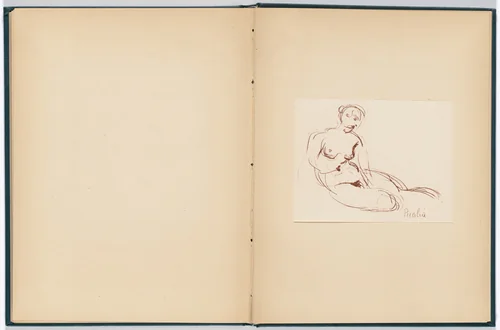
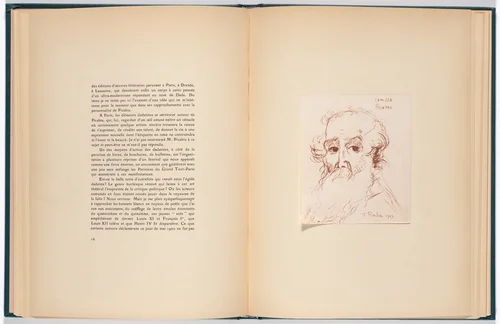
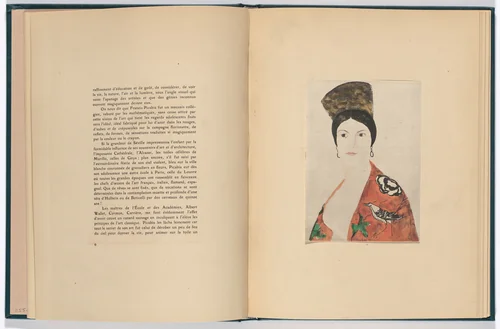
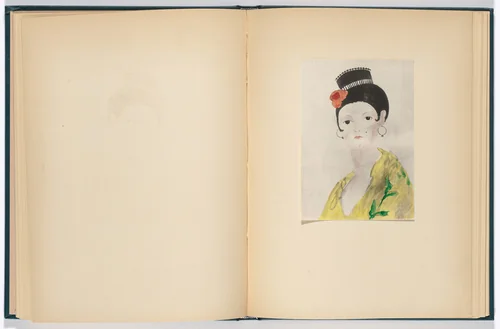
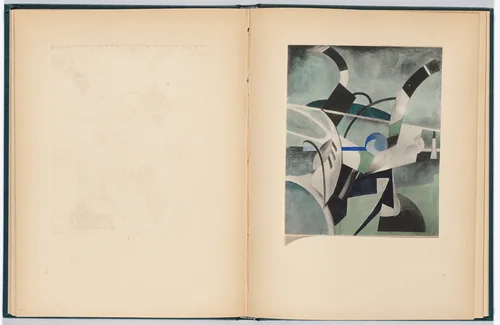
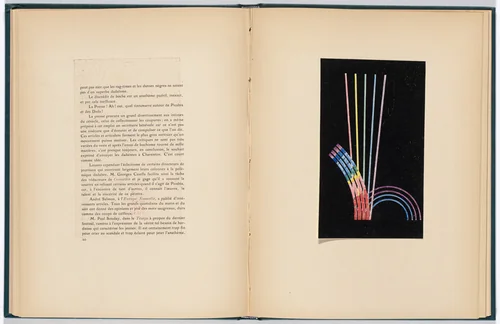
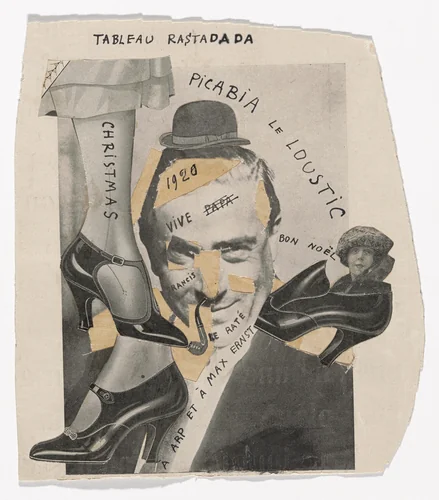
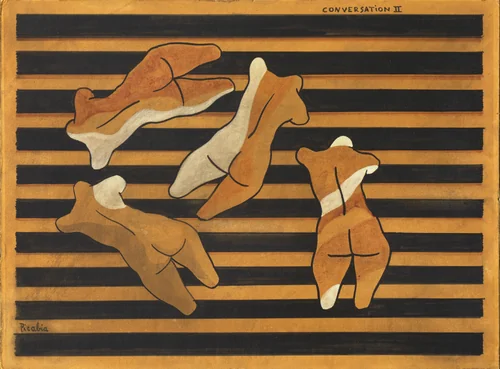
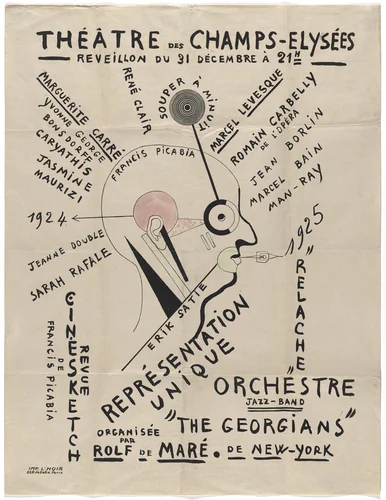
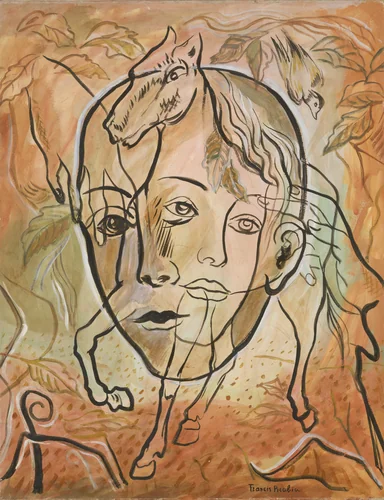
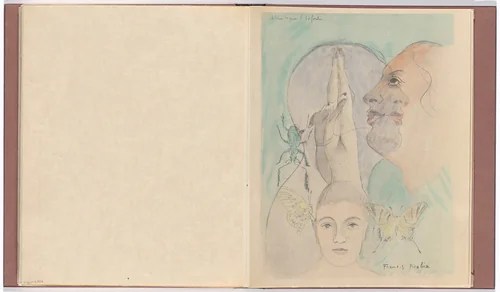
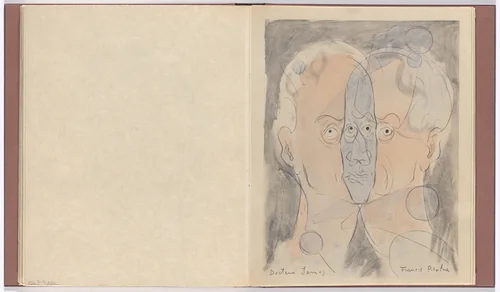
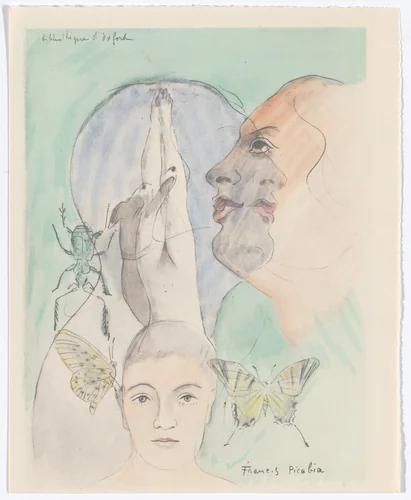
His varied output of Francis Picabia paintings, drawings, and illustrated books from this era became crucial in defining the international scope of Dada, spanning Paris, New York, and Zurich. Works like Dances at the Spring [II] capture this stylistic transition, utilizing rhythmic abstraction to fuse motion with the newly emerging conceptual framework. Unlike many contemporaries who focused on perfecting a single idiom, Picabia maintained a powerful commitment to stylistic inconstancy, using his canvases and influential publications like the Dada journal 391 to continuously challenge conventional artistic authority.
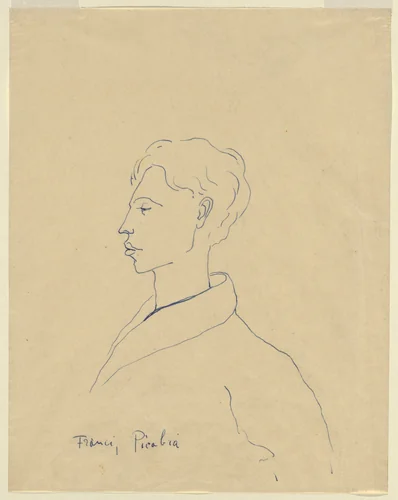
His function was often that of a crucial facilitator, operating as much behind the scenes as on the canvas. His work is now held in major institutions globally, including the Museum of Modern Art, reflecting his position as a core figure of transatlantic modernism. Today, the sharp graphic quality inherent in Francis Picabia prints and drawings ensures continued scholarly interest. Furthermore, certain early works have entered the public domain, offering accessible, high-quality prints for academic study and public appreciation.
Source: Wikipedia · CC BY-SA 4.0