Francis Frith
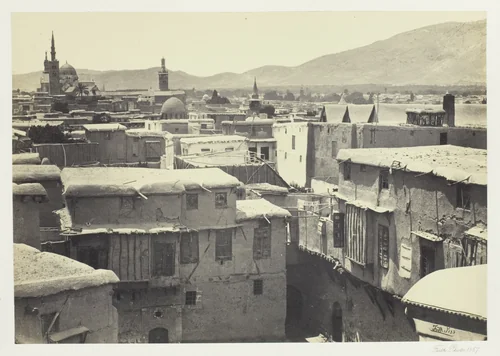
Francis Frith (1819-1898) was an English photographic innovator whose career successfully bridged the technical challenges of early photography with pioneering, industrial-scale publishing. Though Frith’s name is often associated with the systematic cataloging of Great Britain, his initial artistic significance stemmed from his demanding expeditions to the Near East during the 1850s.
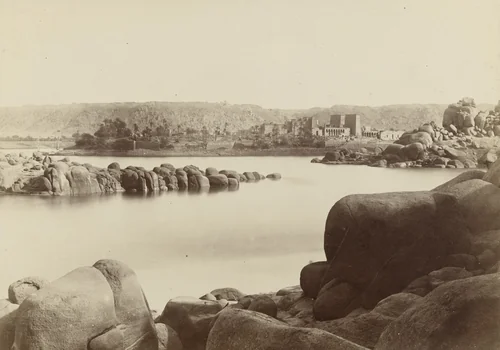
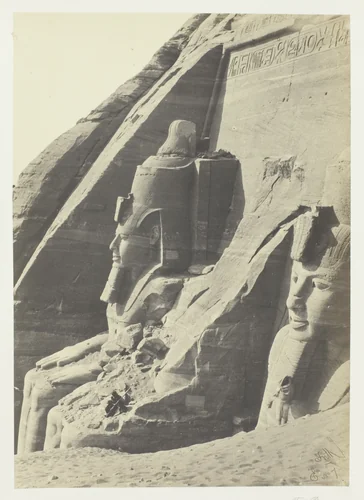
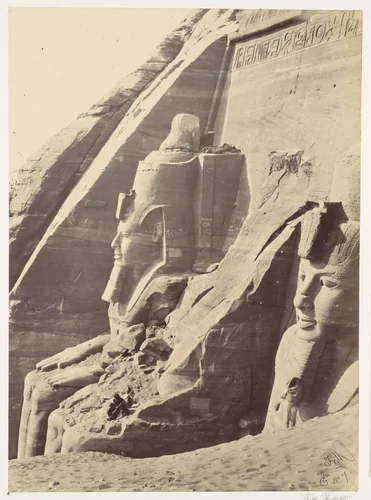
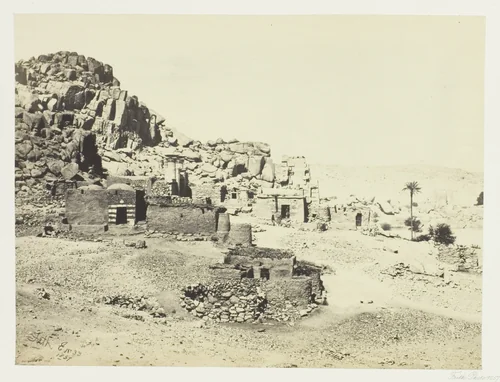
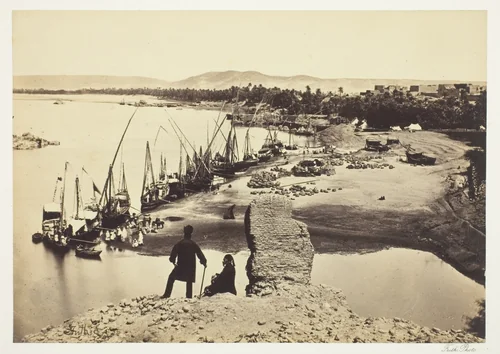
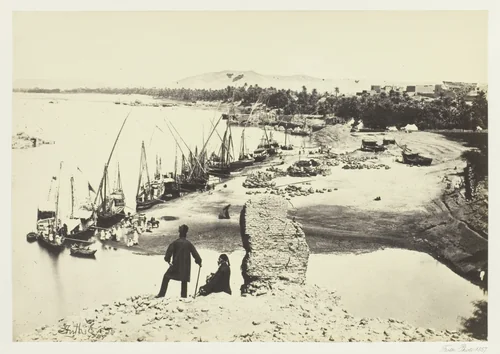
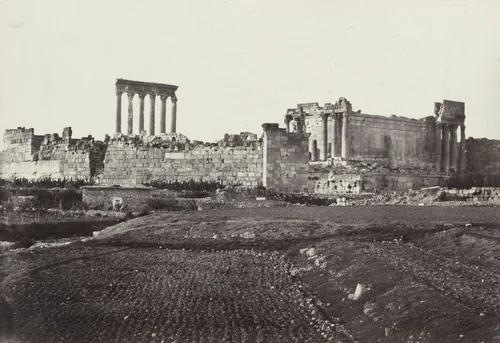
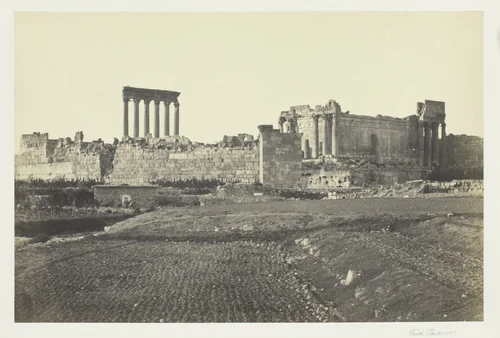
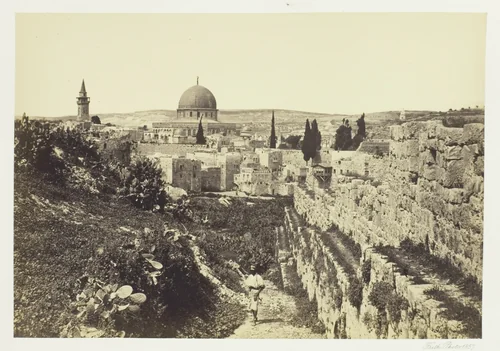
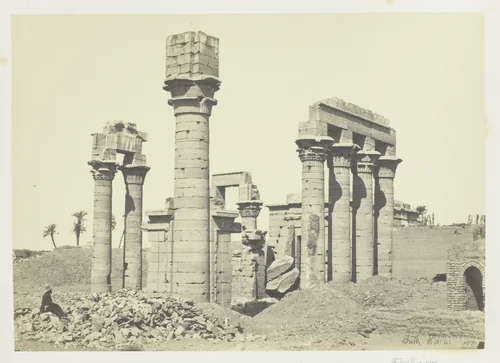
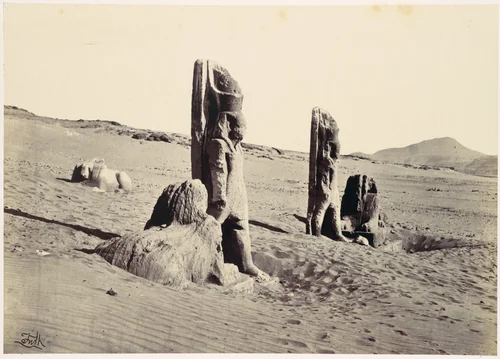
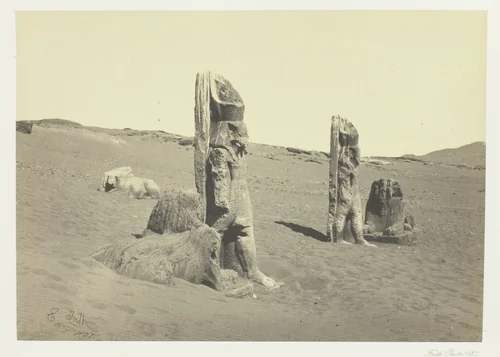
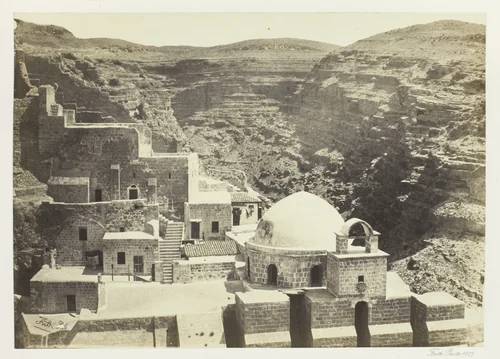
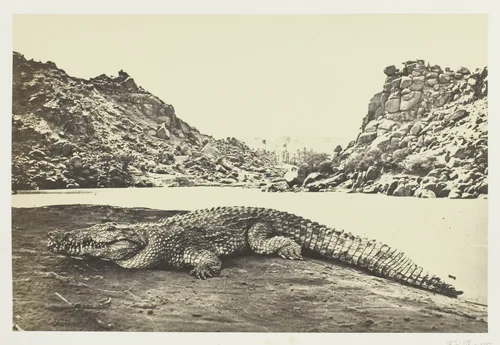
Working often under extreme conditions, Frith produced technically sophisticated albumen prints that established him as a key figure in the visual documentation of classical and ancient architecture. Iconic works such as The Acropolis and his detailed studies of the Nile monuments, including Osiride Pillars and Great Fallen Colossus and The Approach to Philae, display a masterful command of composition and light, transforming archaeological subjects into museum-quality works of art.
Recognizing the emerging popular demand for affordable imagery, Frith pivoted from arduous field work to the systematic enterprise of mass-market distribution. In 1860, he founded Francis Frith & Co. with the ambitious, almost clinical, goal of systematically photographing every town and village in the United Kingdom. This effort was perhaps the first major attempt at comprehensive photographic geo-tagging, decades before the term existed.
The company rapidly expanded, becoming the world's largest photographic publishers. Frith’s organization established technical benchmarks for reproducible imagery and eventually amassed a staggering collection of 330,000 negatives, documenting over 7,000 population centers across Great Britain and Ireland.
Frith did not just create high-quality prints; he standardized their production and dissemination, transforming how the Victorian public consumed visual records of familiar and exotic locales. His firm's exhaustive visual archive remains a foundational resource for historical study. Due to their immense cultural importance, much of the Frith collection is now in the public domain, making these early works of photographic history readily available as downloadable artwork for scholars and the public.
Source: Wikipedia · CC BY-SA 4.0
![[Valley of the Kings, Thebes] by Francis Frith, photograph, 1855-1859](https://img.artbee.org/47124ac6-5c0e-43be-a75c-5e56d909b752/small.webp)