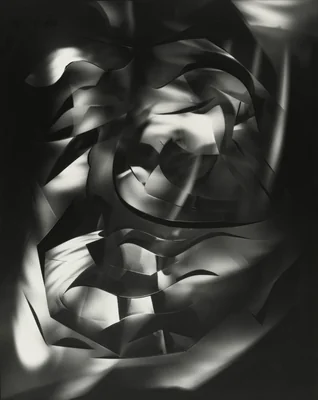
Francis Bruguière
Francis Joseph Bruguière was an American photographer active during the crucial interwar period (1919–1936), an era defined by radical experimentation in abstract photography. Bruguière distinguished himself by treating light not merely as an illuminator of the subject, but as a primary, sculptural material in its own right.
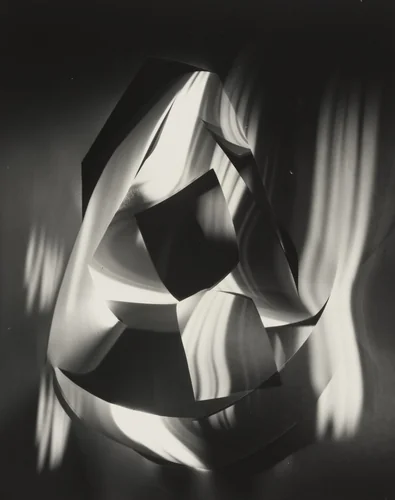
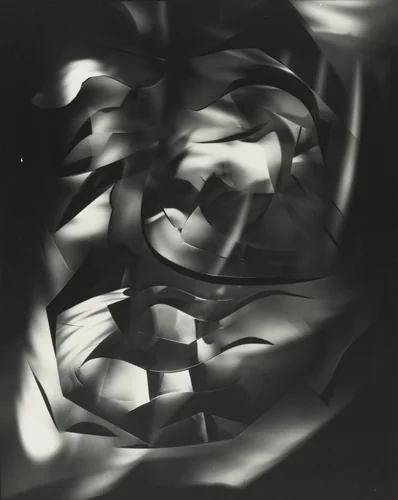
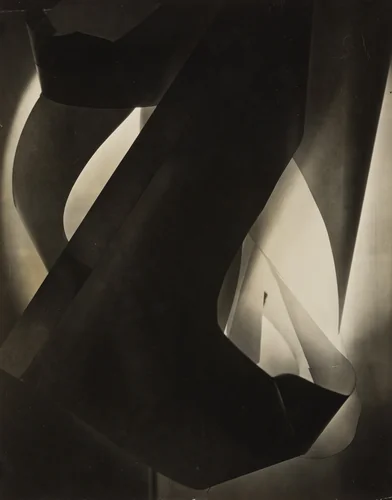
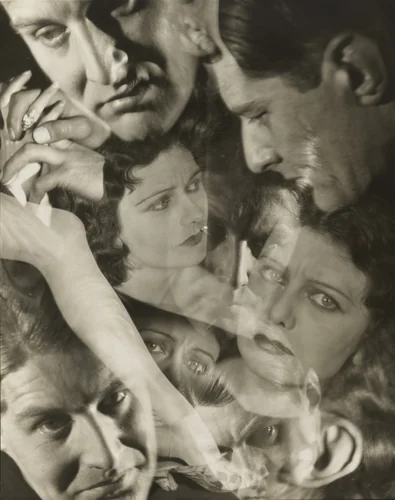
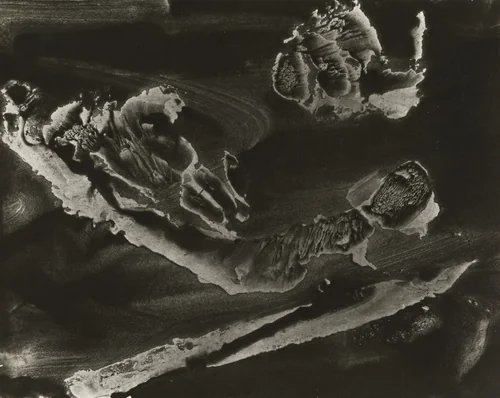
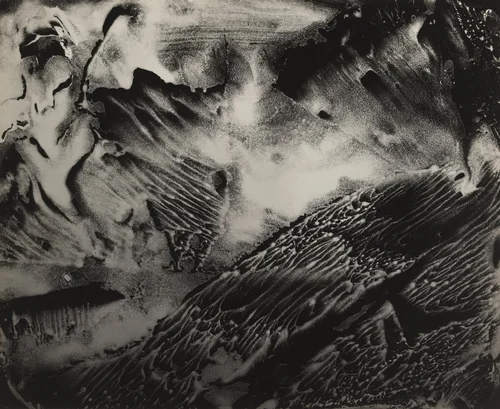
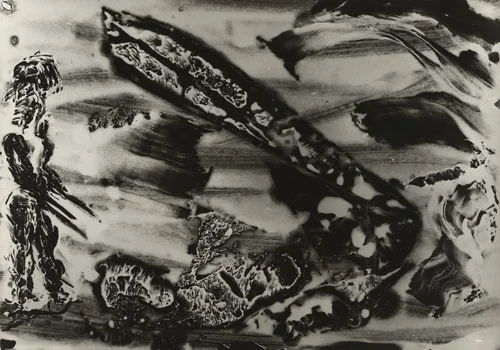
His methodology involved elaborate stagecraft and controlled studio conditions. Moving beyond standard documentation, Bruguière frequently employed multi-layered or synchronized exposures to capture dynamic transformations of simple objects, most famously utilizing cut and folded paper. This systematic experimentation resulted in compositions that are often referred to as ‘studies in pure form,’ translating ephemeral moments of shadow and reflection into solid, visually jarring photographic structures.
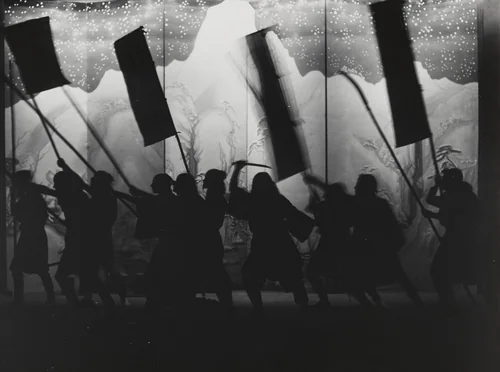
His most recognized works, including the repeated examinations titled Light Abstraction, exemplify this focused approach. These images demonstrate a rigorous, analytical pursuit of depth and geometry that placed him firmly within the vanguard of American modernism. Furthermore, the theatrical drama inherent in his lighting setups hints at his earlier professional involvement with stage design and collaboration, lending a unique, almost cinematic tension to photographs like Violent Intervention and The Faithful. It is a peculiar achievement that he could imbue simple pieces of constructed paper with such monumental, psychological weight.
Bruguière successfully leveraged the camera’s ability to define shape and arrest motion, crafting a visual language centered on subjective interpretation rather than objective documentation. His important contribution to photographic abstraction is cemented by his inclusion in prestigious institutional holdings, notably the Museum of Modern Art (MoMA).
Today, his pioneering images represent museum-quality examples of early 20th-century technical mastery. For researchers and collectors seeking influential Francis Bruguière prints, many of these compositions are now available in the public domain, encouraging new and widespread appreciation for his innovative mastery of illumination and form.
Source: Wikipedia · CC BY-SA 4.0