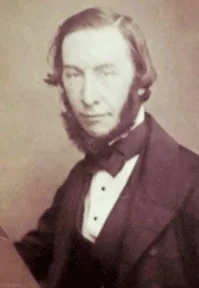
Francis Bedford
Francis Bedford (1816-1894) occupies a significant place in the development of 19th-century British topographical photography. Although the name is shared among several prominent contemporaries of the Victorian age, including a celebrated bookbinder and an architect, it is the photographer Francis Bedford who defined the mid-century approach to documenting heritage sites and scenic views. Active primarily in the 1850s and 1860s, Bedford successfully adapted emerging photographic technologies to create systematic, comprehensive visual inventories of the English landscape.
His artistic practice was characterized by exacting technical skill and an organized methodology, essential for the demanding processes of early photography. Bedford often structured his considerable output into extensive, numbered series designed for commercial distribution, bridging the gap between artistic documentation and mass-market publishing. Collections such as “Chester Illustrated” and “Malvern Illustrated” provided the Victorian public with accessible, high-quality prints of significant national landmarks.
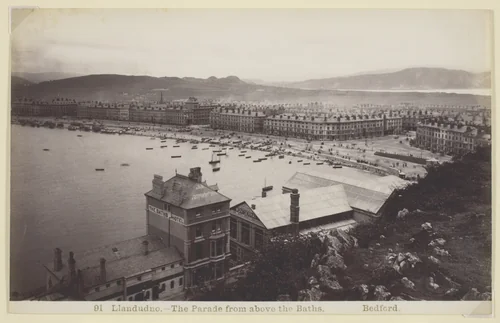
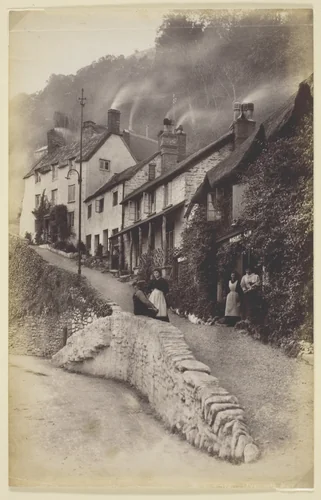
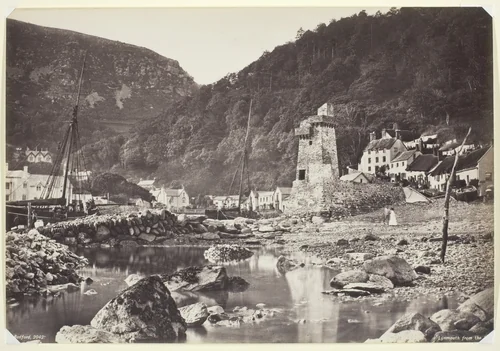
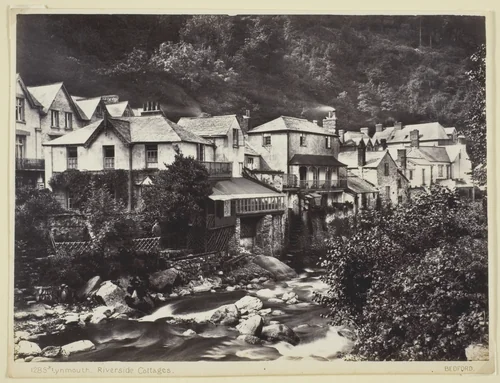
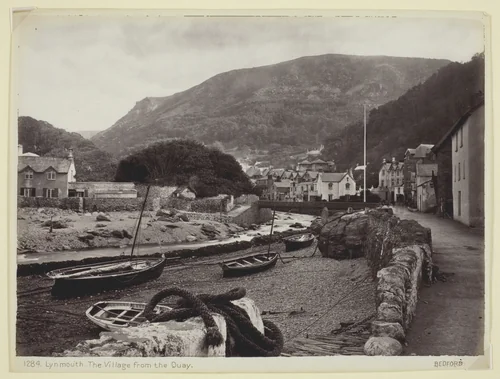
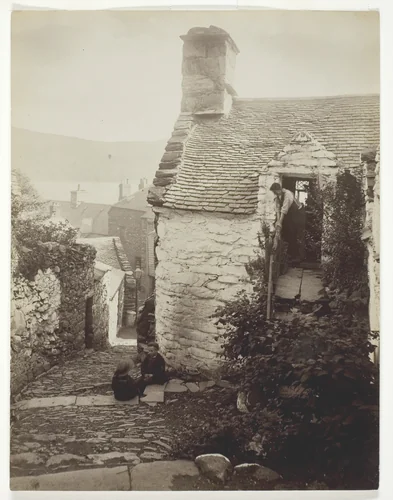
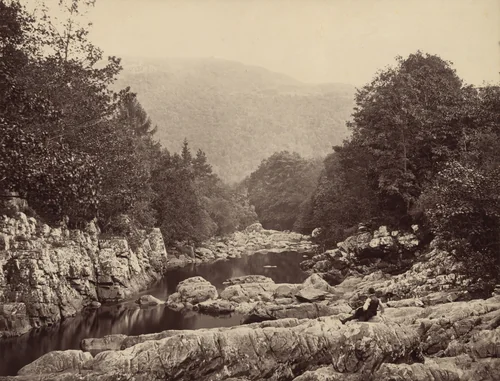
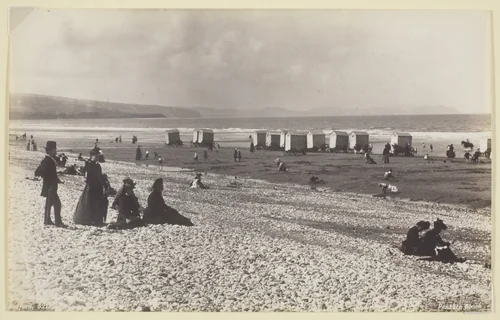
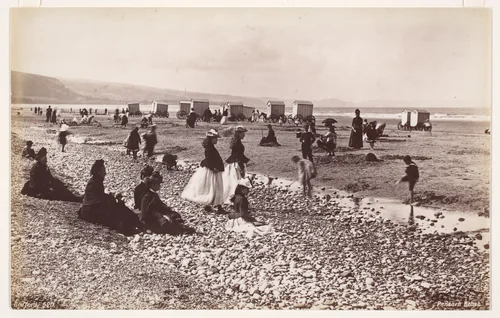
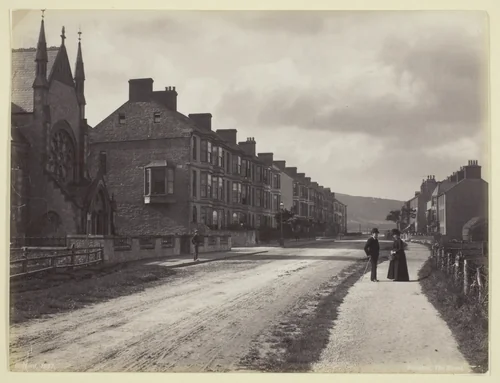
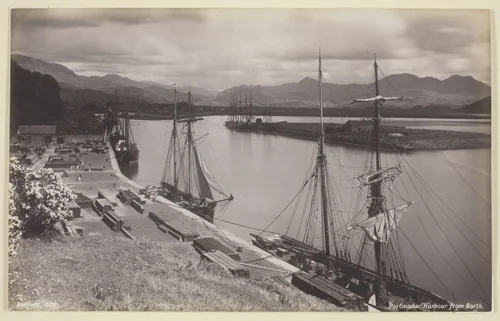
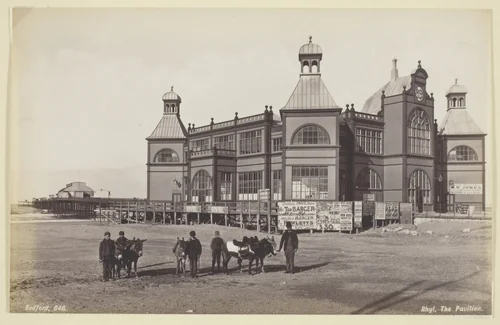
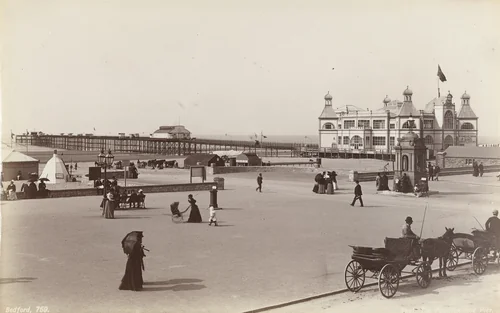
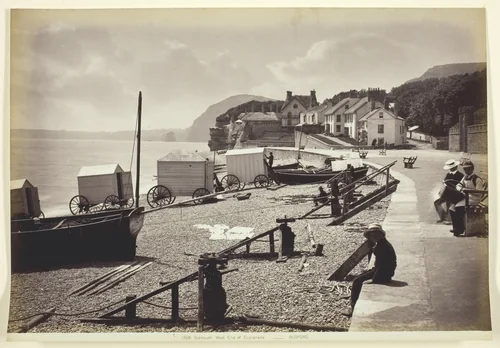
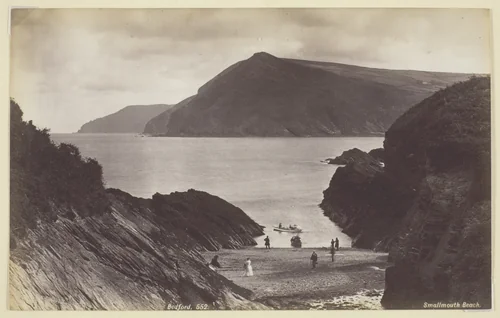
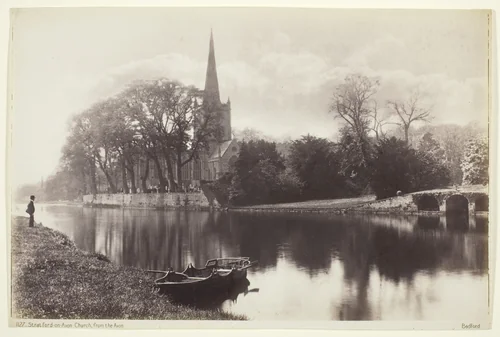
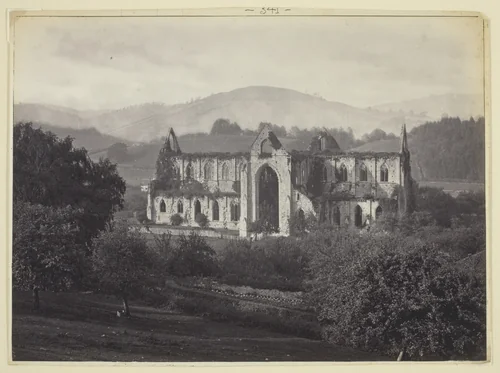
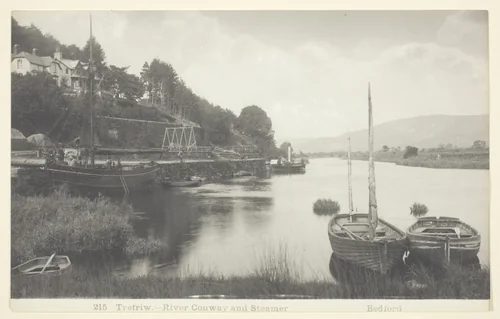
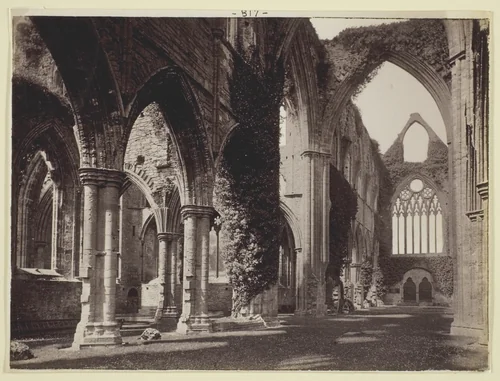
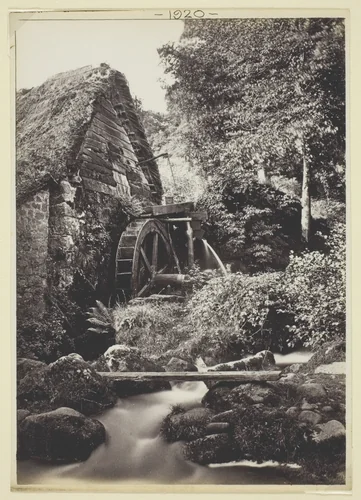
Works like Chester - God's Providence House, 1652 (No. 355) and Malvern, the Priory Church, from the Swan Pool (No. 257) showcase his characteristic composition, which balances architectural precision with a distinctly picturesque sensibility. Unlike some peers focused on specialized subjects, Bedford’s enduring commitment was to the thorough depiction of place, creating comprehensive visual travelogues. His detailed studies of demanding coastal environments, such as Ilfracombe, Captstone Parade and Clovelly, North Hill, offered vicarious travel experiences to a growing middle class. It is worth remembering the sheer physical dedication required for such work, involving the transport of cumbersome cameras and chemical equipment across demanding terrain, a necessary labor underlying the apparent serenity of the final image.
Today, Francis Bedford prints are recognized as essential artifacts of photographic history. Major institutions, including the National Gallery of Art, the Museum of Modern Art, and the Metropolitan Museum of Art, maintain significant collections, testifying to their lasting status as museum-quality works. Furthermore, many of these historical photographs have entered the public domain, making downloadable artwork widely available to scholars and enthusiasts seeking free art prints for study and appreciation.
Source: Wikipedia · CC BY-SA 4.0