Francis Barlow
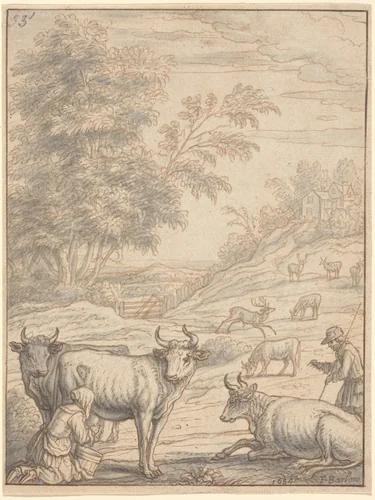
Francis Barlow (active 1652-1755) stands as a foundational figure in British illustrative arts, distinguishing himself as a skilled painter, etcher, and illustrator during the late seventeenth and early eighteenth centuries. His career spanned a critical period in English visual culture, and he is credited with elevating the status of animal studies, moving them from marginal decorative elements to subjects of focused naturalistic and narrative importance. Barlow’s dedication to technical excellence and keen observation is evident in the quality of his surviving drawings and prints, which are maintained in internationally renowned collections, including the National Gallery of Art and the Rijksmuseum, confirming his lasting museum-quality significance.
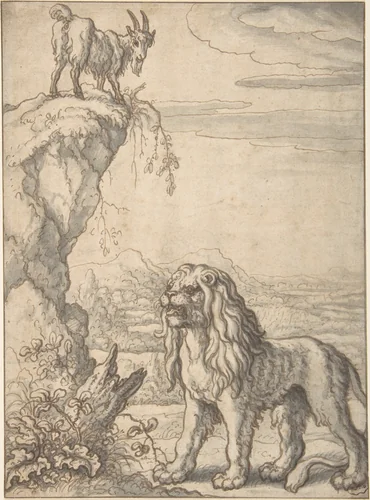
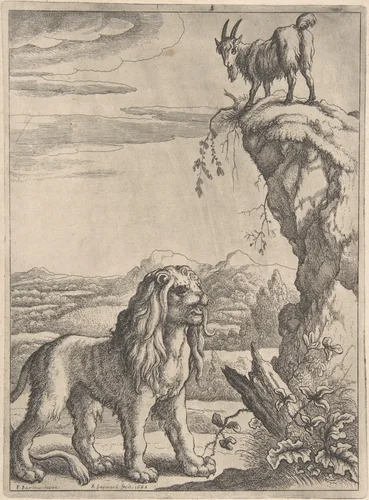
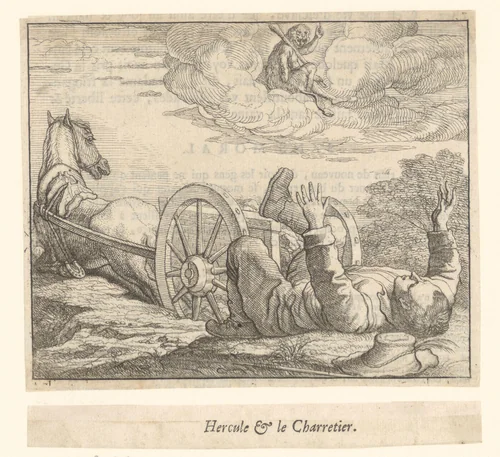
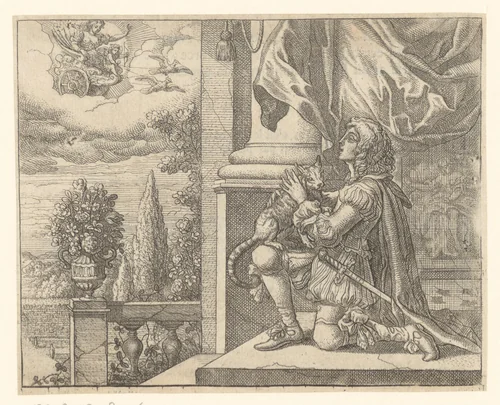
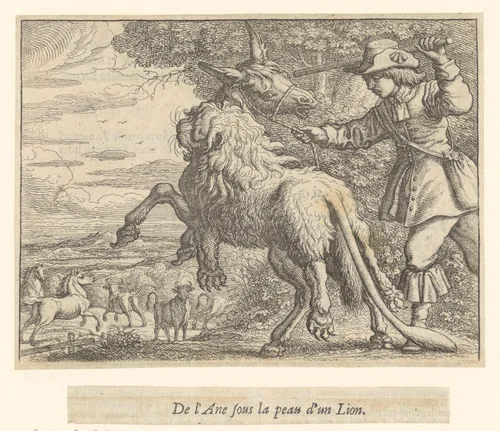
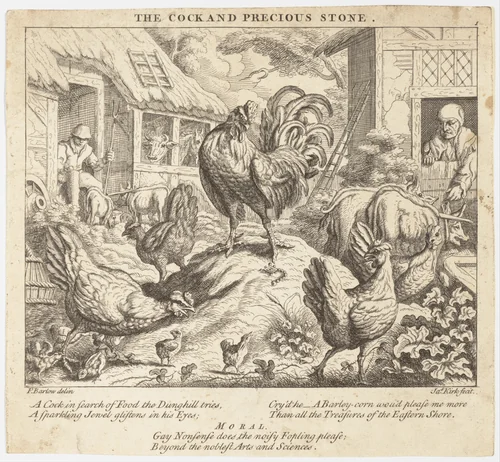
Barlow’s greatest influence was realized through the medium of printmaking. He employed etching and engraving with great sophistication to achieve rich textural effects, whether detailing the rugged terrain of the English countryside or the physical characteristics of fauna. He frequently provided illustrations for prominent literary commissions. His masterful work on John Ogilby’s 1668 translation of Aesopics proved particularly pivotal. Prints such as The Lyon and the Kid, from Ogilby's Aesopics, display Barlow’s remarkable ability to infuse his animal subjects with personality while maintaining zoological rigor, rendering anthropomorphic morality tales with captivating dramatic weight.
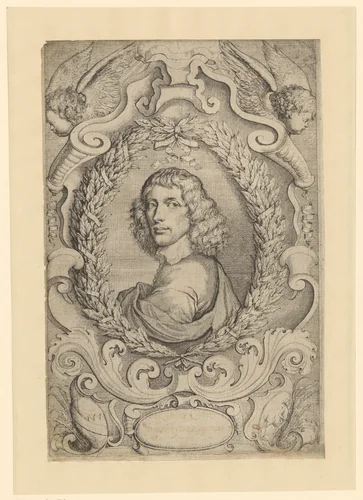
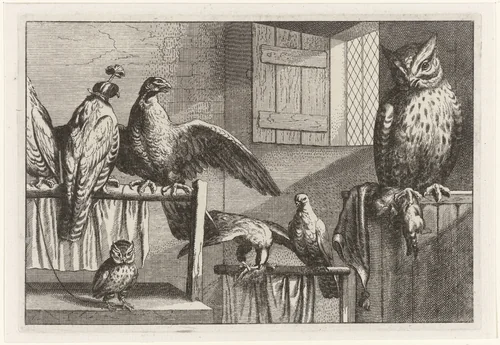
The longevity of Barlow’s influence is tied directly to the reproducible nature of his medium. His illustrations, including the detailed Titelblad Diversae Avium Species and portraits like Portret van Edward Benlowes, reached a broad audience beyond traditional courtly patronage. Indeed, if 17th-century English art had a specialized visual philosopher of animal behavior, it was Barlow, who rendered vice and virtue with equal observational fidelity.
Today, the accessibility of his artistic output continues to secure his place in history. Many of his works, including numerous Francis Barlow prints, have entered the public domain, providing a wealth of resources for scholars. The ability to access and utilize this material freely allows for the creation of high-quality prints and downloadable artwork, ensuring that the precision and wit of Barlow’s pioneering illustrative work remain readily available to contemporary audiences.