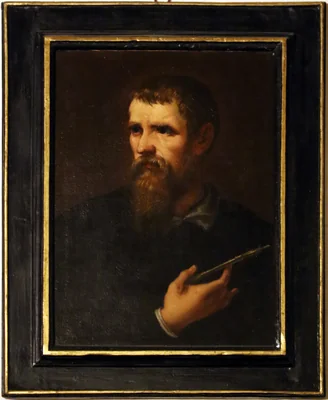
Francesco Salviati
Francesco Salviati (Jacopo di Rossi, 1510–1563) stands as one of the most intellectually rigorous and visually inventive masters of the Roman and Florentine transition into mature Mannerism. His prolific and varied output, characterized by highly charged compositions, refined color palettes, and elegantly elongated figures, defined the visual sensibilities of the post-Michelangelo era. Although the artist is sometimes historically confused with the Archbishop of Pisa who shared his name, this Francesco Salviati is recognized solely for his critical contributions to painting, design, and monumental decoration throughout the mid-sixteenth century.
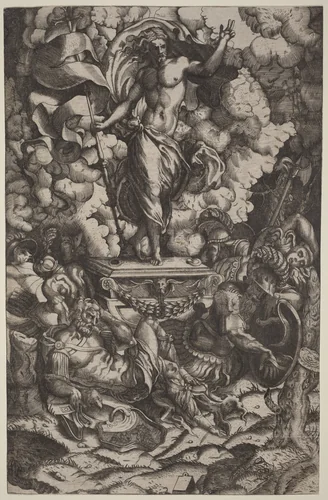
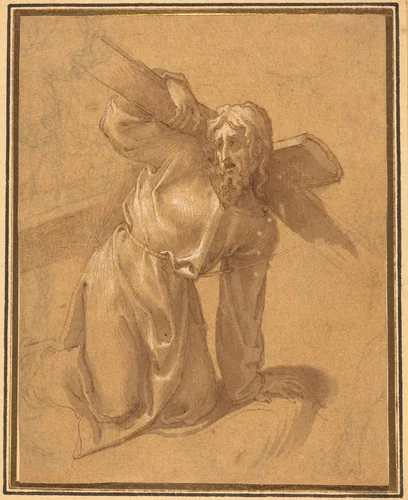
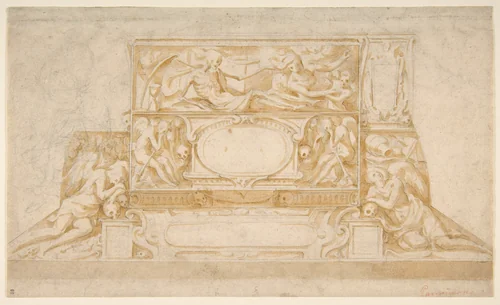
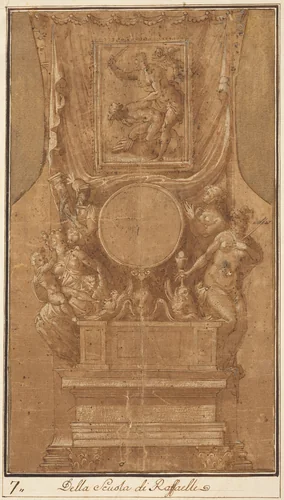
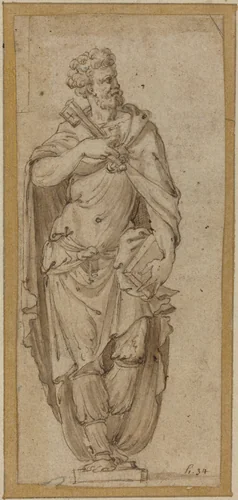
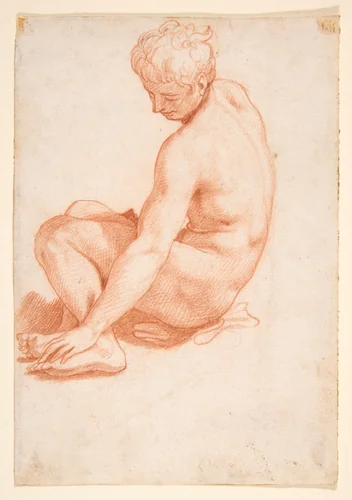
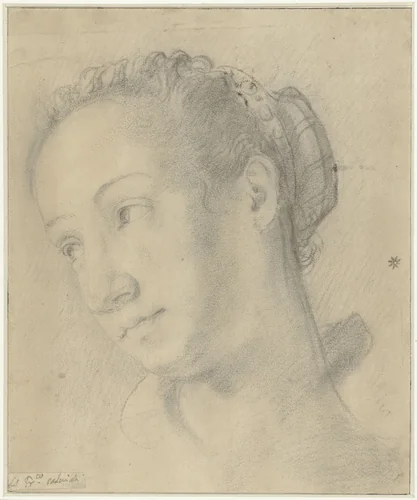
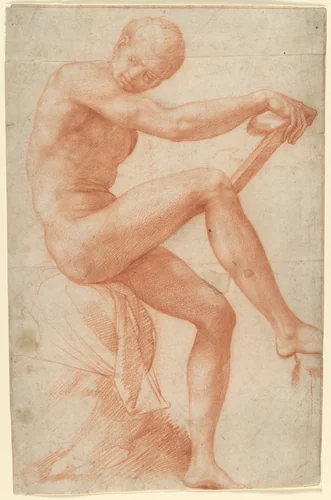
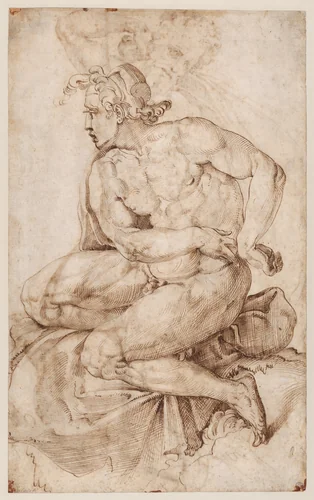
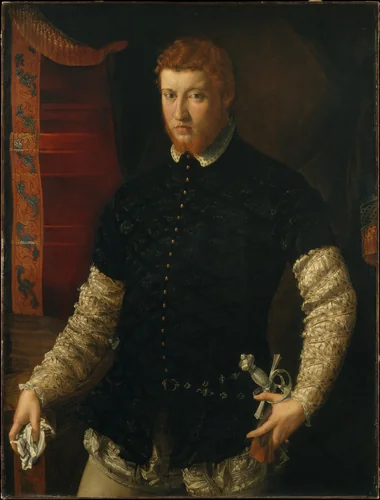
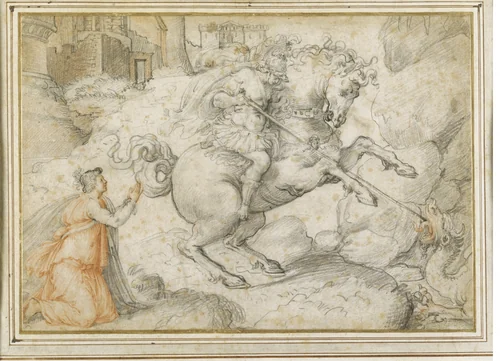
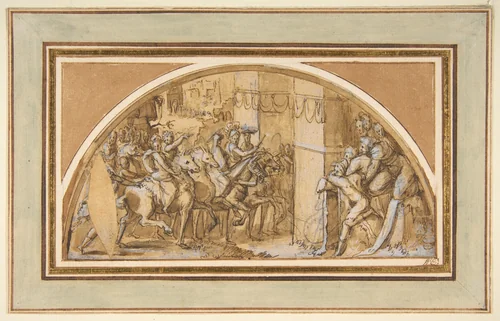
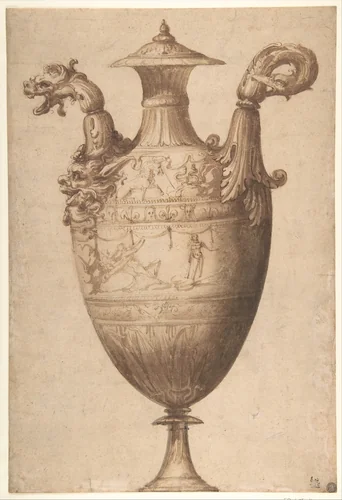
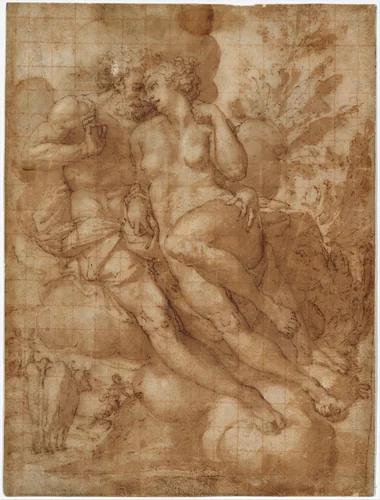
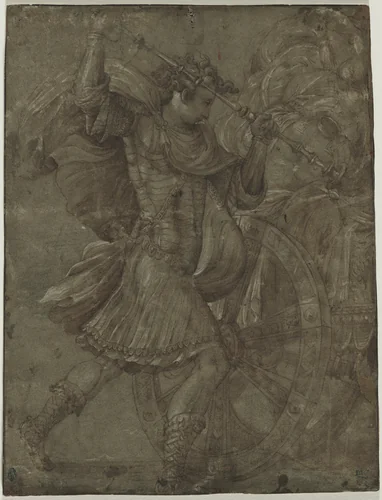
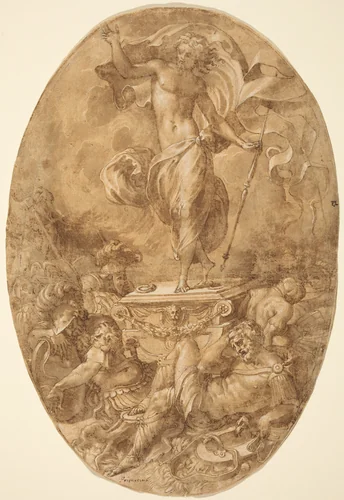
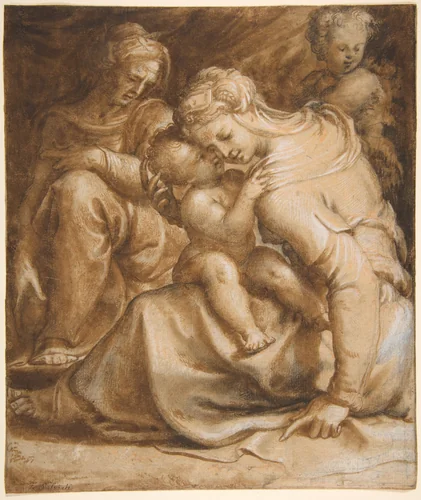
Salviati’s strength lay particularly in his fluid, ambitious draftsmanship. His surviving catalog includes a dozen crucial drawings, such as Design for an Altar and Design for a Funerary Monument, which showcase his mastery of monumental scale and decorative density even when working merely on paper. Unlike many of his contemporaries who specialized, Salviati moved effortlessly between media; the technical excellence seen in his detailed preparatory sketches translates directly to the dramatic power of his religious canvases, including The Resurrection and Christ Falling under the Cross. His versatility suggests he was not merely a workshop painter but a comprehensive design intellect, someone capable of orchestrating an entire decorative scheme. It is perhaps in these detailed infrastructural designs that we see the artist’s most enjoyable, if controlled, formal extravagance.
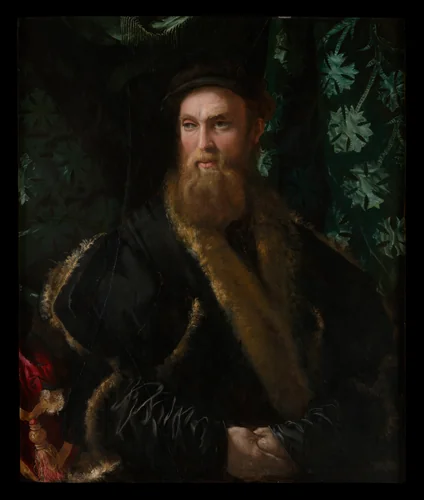
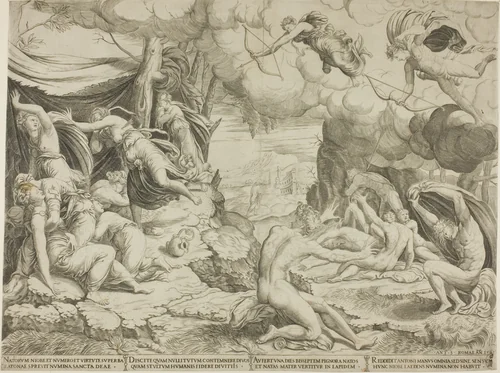
His influence was widespread, cementing his reputation across Italy before his relatively early death. Salviati’s commitment to complex, almost twisting figural arrangements meant his works became key teaching aids for subsequent generations of artists seeking to emulate the grand manner. Major institutions like the Rijksmuseum, the Metropolitan Museum of Art, and the National Gallery of Art hold significant examples of Francesco Salviati paintings and preparatory studies, ensuring their longevity and continued scholarly focus. The sheer technical detail captured in his twelve known drawings, or the sole extant print, provides invaluable insight into 16th-century workshop practice. Fortunately for modern scholars and enthusiasts, much of this foundational historical material is now in the public domain, allowing access to high-quality prints and downloadable artwork derived from his originals. The demand for museum-quality reproductions of these royalty-free Mannerist designs remains consistent.
Source: Wikipedia · CC BY-SA 4.0