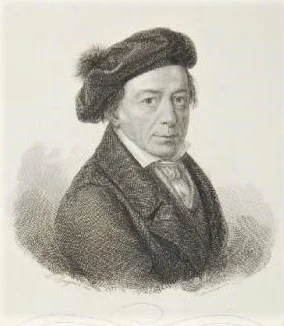
Francesco Rosaspina
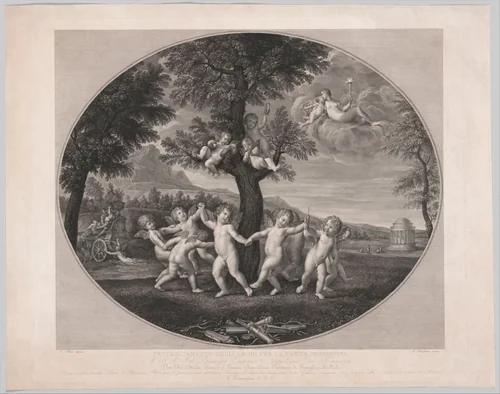
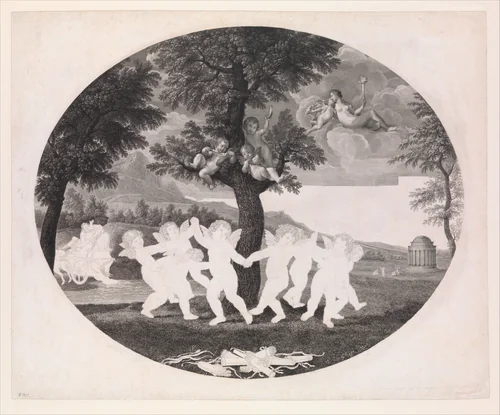
Francesco Rosaspina (1762-1805) was a prominent Italian figure in the late eighteenth-century visual arts, identified historically as both a painter and, primarily, an engraver. Active from 1762 until 1805, Rosaspina established his enduring reputation through highly accomplished reproductive printmaking, specializing in translating the drama and technical complexity of Renaissance and Baroque painting into the reproducible form of the copperplate etching.
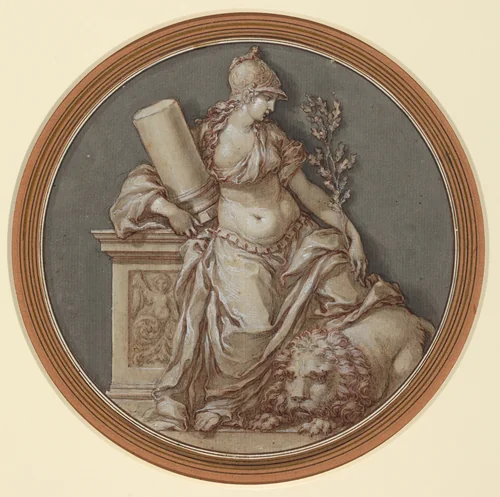
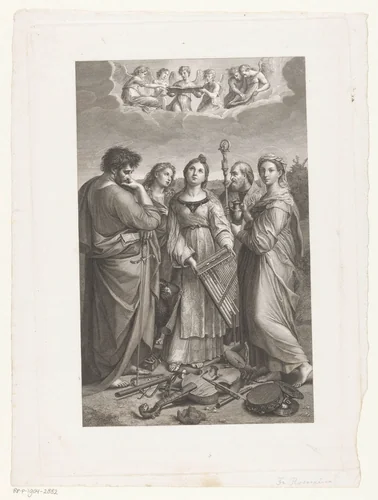
Working primarily out of Bologna, Rosaspina was integral to the dissemination of visual culture across Europe. His artistic achievement lay in bridging the gap between inaccessible original masterworks and the growing demand for portable imagery among collectors and fellow artists. His oeuvre includes twelve documented prints and one known drawing, demonstrating a consistent mastery over allegorical and devotional subjects. Key examples of his independent works include the resolute figure study Allegory of Fortitude and the deeply spiritual De heilige Cecilia in extase.
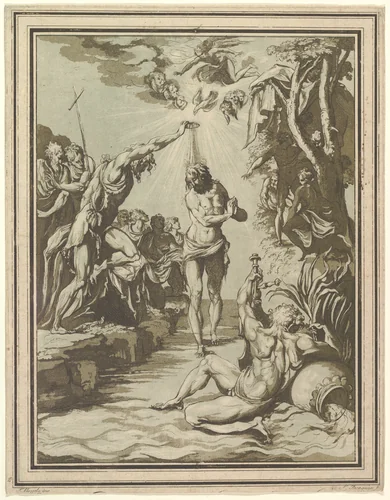
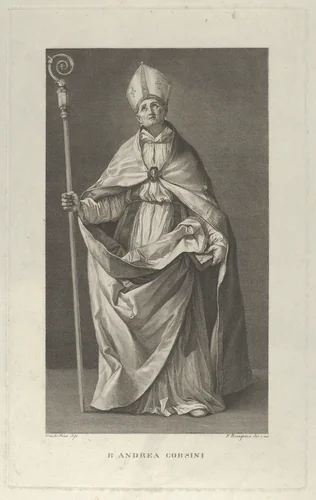
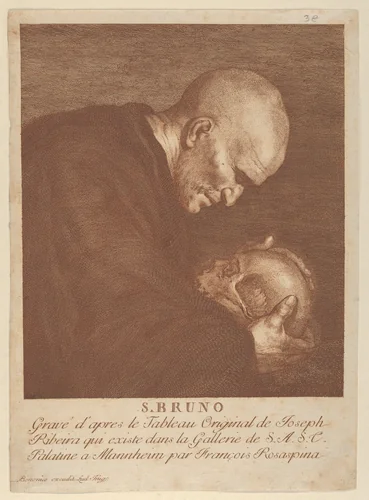
Crucially, his practice involved creating exceptionally detailed copies of established religious masterpieces. For instance, his technical fidelity is evident in Saint Andrea Corsini dressed as Bishop of Fiesole, holding a crosier and looking up, after Reni, where he manages to convey the painterly qualities of Guido Reni’s Baroque original through linework alone. Further works such as the precise Baptism of Christ and the contemplative study Saint Bruno meditating on a skull demonstrate his commitment to traditional academic subjects.
Rosaspina’s sustained output served a vital function in the history of art access. While today collectors can acquire Francesco Rosaspina prints easily as high-quality prints through global institutional holdings, in the eighteenth century, his engravings were often the sole means by which the wider art community experienced the Italian canon. This mass distribution occasionally required him to perform minor cosmetic surgery on the original compositions, a necessary compromise to make grand altar pieces legible in the smaller format of a folio. His technical prowess ensured that his works achieved a distinctive visual gravitas, elevating his status beyond mere copyist. Today, his contributions are affirmed by his presence in major collections globally, including the Rijksmuseum, the National Gallery of Art, and the Metropolitan Museum of Art, many of which now offer his work as royalty-free downloadable artwork, continuing his legacy of broad access.
Source: Wikipedia · CC BY-SA 4.0
![Six Apostles Looking Backwards, from Prove di Vari Rami Inediti [...] by Francesco Rosaspina, print, 1780-1841](https://img.artbee.org/99ce4c22-b84c-4e54-a31e-e4d2b76c4b71/small.webp)
![Six Apostles Looking Backwards, from Prove di Vari Rami Inediti [...] by Francesco Rosaspina, print, 1780-1841](https://img.artbee.org/66724f4b-60cf-41e7-865f-5babb4b94cdb/small.webp)
![Six Apostles Looking Backwards, from Prove di Vari Rami Inediti [...] by Francesco Rosaspina, print, 1780-1841](https://img.artbee.org/c00e8f99-af12-4244-a450-662899ff03da/small.webp)
![Study of Venus and Cupid, from Prove di Vari Rami Inediti [...] by Francesco Rosaspina, print, 1780-1841](https://img.artbee.org/cee6a055-5217-4709-83df-ca0f283b6029/small.webp)
![Study of Venus and Cupid, from Prove di Vari Rami Inediti [...] by Francesco Rosaspina, print, 1780-1841](https://img.artbee.org/dbeabf84-191a-4f6e-a026-d4e6da1c6885/small.webp)
![Study of Venus and Cupid, from Prove di Vari Rami Inediti [...] by Francesco Rosaspina, print, 1780-1841](https://img.artbee.org/0d228c44-2d43-445c-b944-06804a8ee5b8/small.webp)