Francesco Piranesi
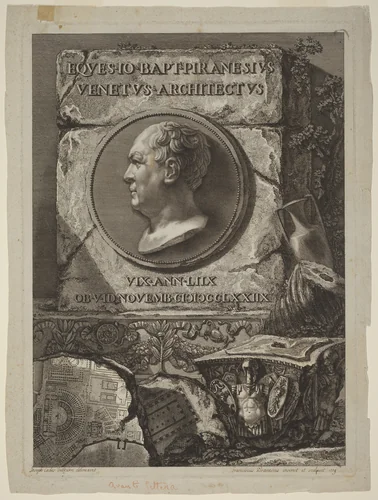
Francesco Piranesi (1748-1804) was a prolific Italian engraver, etcher, and practicing architect whose career spanned the height of the late Neoclassical period. While often referenced as the primary artistic heir to the celebrated Giovanni Battista Piranesi, Francesco established his own significant presence by meticulously continuing and expanding his father's foundational series of engraved monuments and ancient sites.
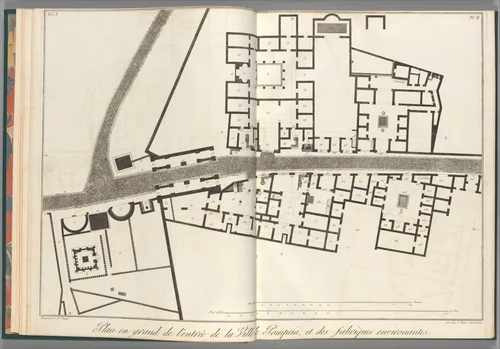
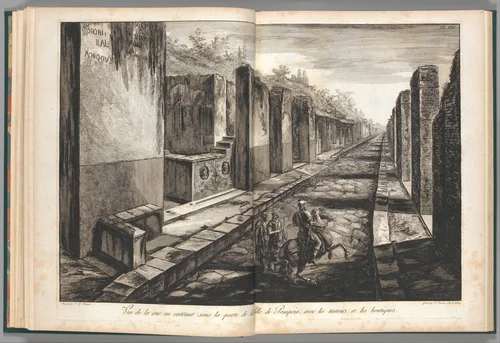
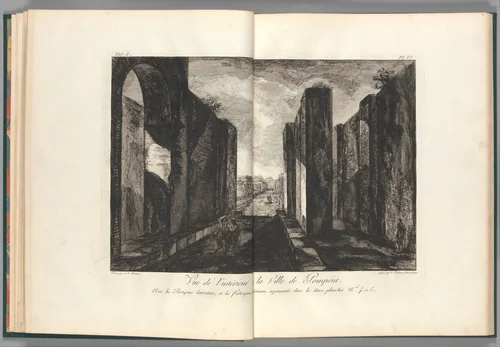
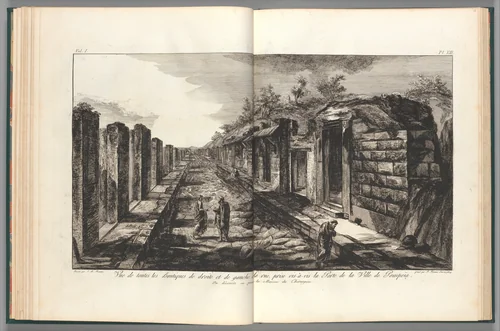
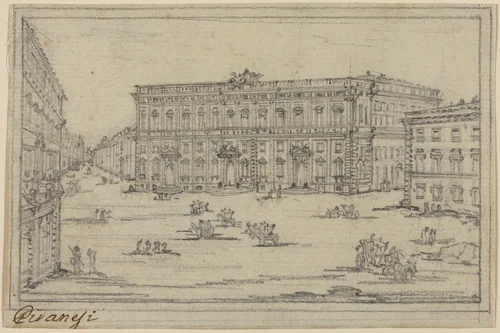
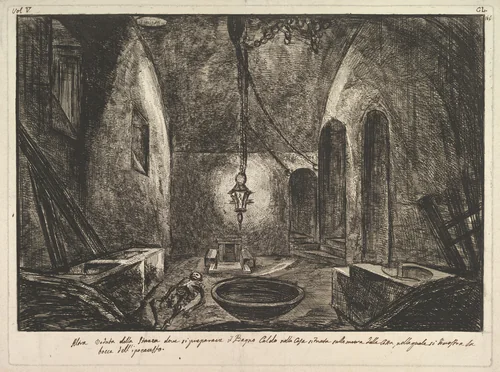
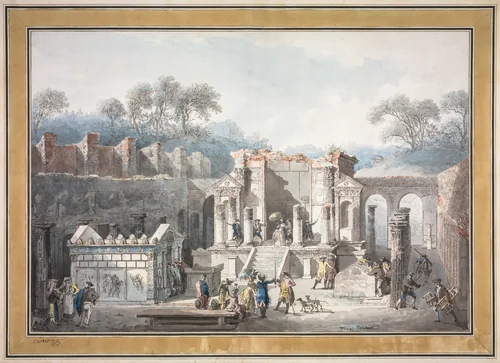
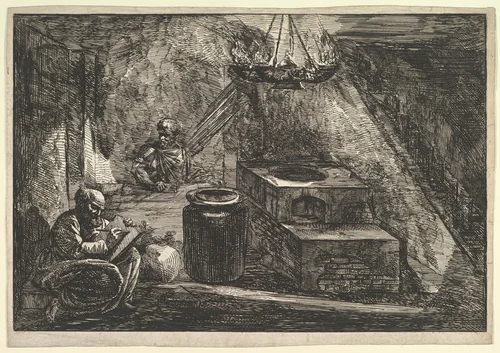
His artistic output, which includes thirteen extant prints and two recognized drawings in major institutional collections, demonstrates a sophisticated focus on detailed archaeological representation and authoritative architectural views, reflecting the era’s passionate engagement with antiquity. Piranesi was instrumental in disseminating images of both well-known Roman landmarks, such as the Palazzo della Consultà, and newly excavated or lesser-known structures. His detailed rendering, View of Pompeii (Altra veduta della Stanza dove si preparava il Bogno Caldo . . . ), for example, illustrates his commitment to documenting discoveries far beyond the capital.
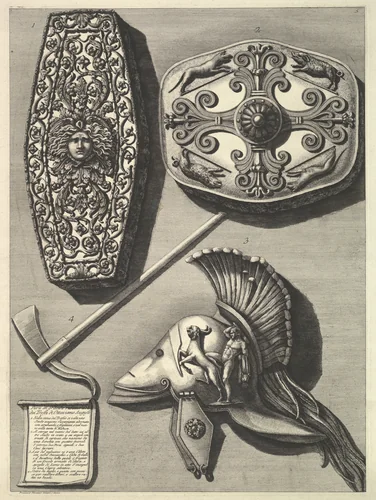
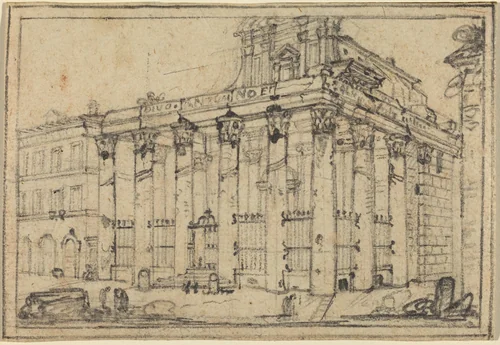
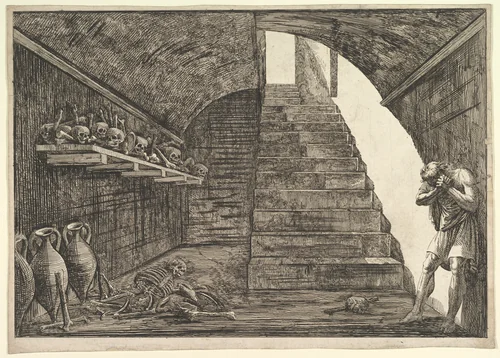
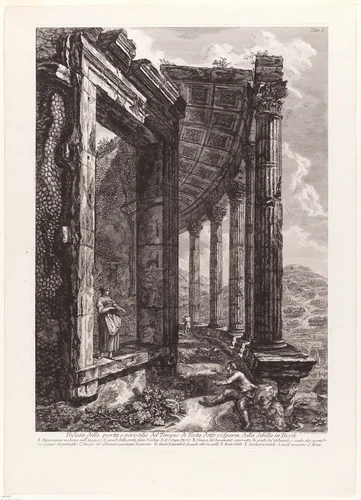
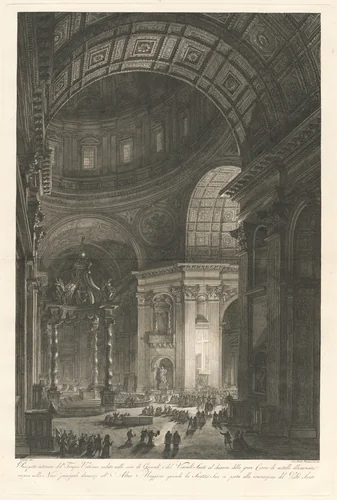
Francesco’s skill lay not merely in reproductive engraving but in the dramatic interpretation required to convey monumental scale. Works such as the complex reconstruction Parti in grande restaurati de' Trofei de Ottaviano Augusto and the striking vista of The Temple of Antoninus and Faustina demonstrate his mastery of the etching plate, bringing the grandeur of classical structures to a broad European audience. Even his occasional forays into the fantastic, such as the evocative Prison Scene, maintain the dramatic scale and chiaroscuro popularized by the family studio.
Following his father’s death, Francesco inherited the immense catalog of hundreds of copper plates. This inheritance necessitated careful management, a task complicated by his long tenure in France where he lived throughout the political upheavals of the French Revolution. To successfully relocate and sustain a commercial printing enterprise while navigating such profound civil disorder required not only artistic ambition but also considerable logistical finesse. Piranesi transformed his father’s artistic legacy into a highly successful commercial venture, ensuring that these iconic images remained available as high-quality prints throughout the transition of power. Today, Francesco Piranesi prints remain highly sought after by institutional collections globally, including the Metropolitan Museum of Art. Many of these historically valuable works are now considered part of the public domain, guaranteeing access to royalty-free downloadable artwork for scholars and enthusiasts worldwide.
Source: Wikipedia · CC BY-SA 4.0
![Cross-sections, which show the different aspects of the buildings shown in the plan of Pompeii [the preceding plate], from "Antiquités de Pompeïa, tome premier, Antiquités de la Grande Grèce..." (Antiquities of Pompeii, volume one, Antiquities of Great Greece...), volume 1, plate 3 by Francesco Piranesi, print, 1804](https://img.artbee.org/26c3c4c4-900f-4d72-b69c-473ed77c29ff/small.webp)