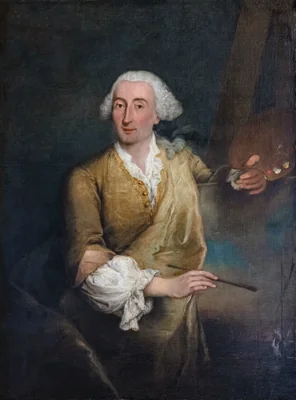
Francesco Guardi
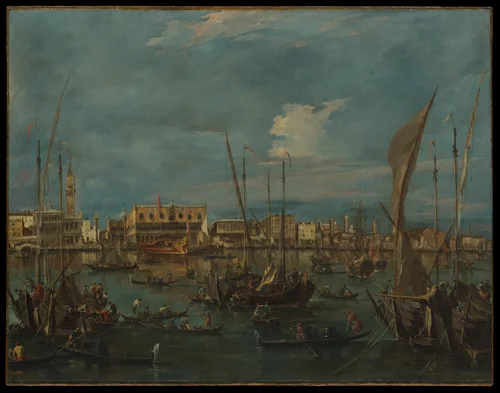
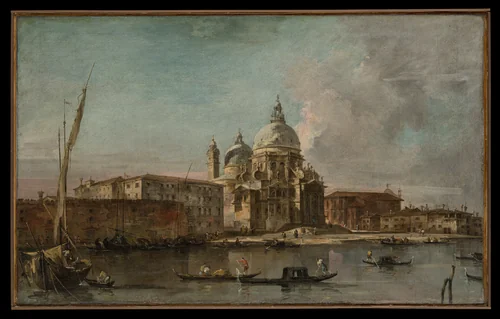
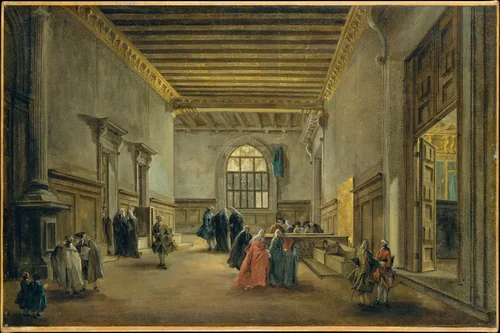
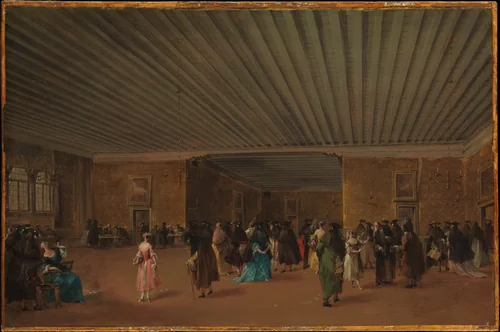
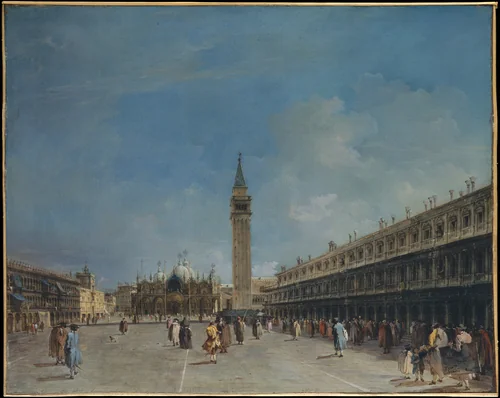
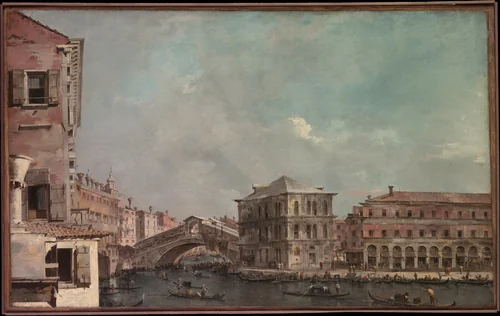
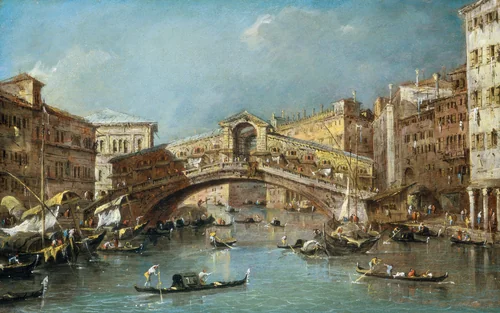
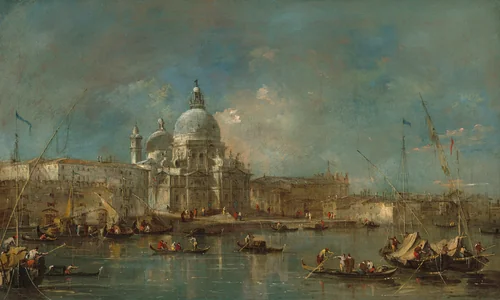
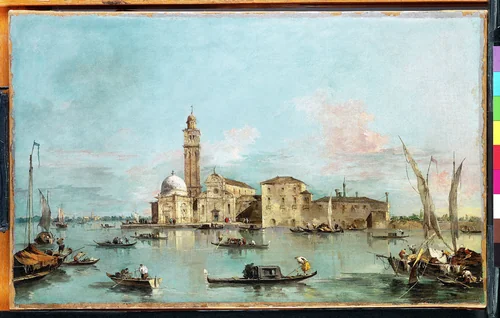
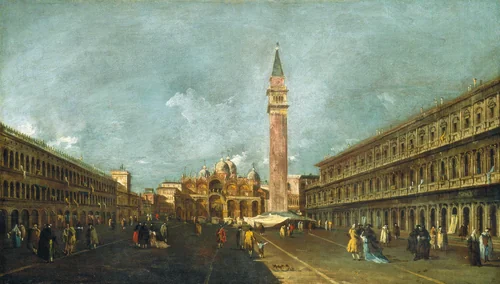
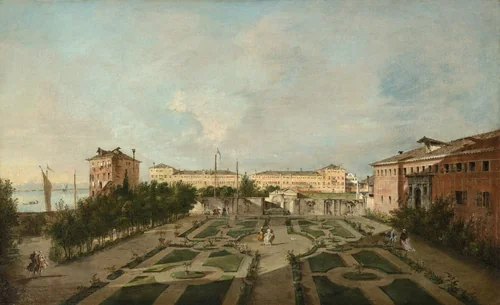
Francesco Lazzaro Guardi, an Italian painter and nobleman, holds a vital place in the canon as a member of the Venetian School. He is recognized alongside his brothers as one of the last eminent practitioners to carry forward the aesthetic traditions of classic Venetian painting. His career coincided with the final, opulent decades of the Republic—a period of intense artistic refinement that masked impending political decline. Guardi’s significance stems from his ability to preserve the city’s characteristic light and color while simultaneously pushing the veduta genre toward abstraction and atmosphere.
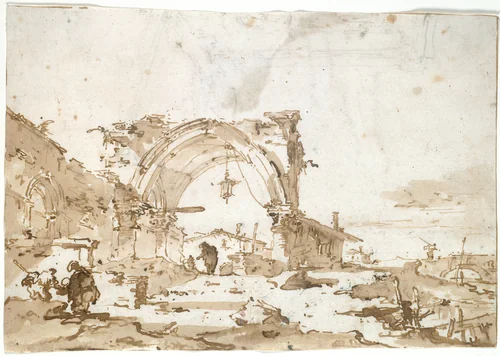
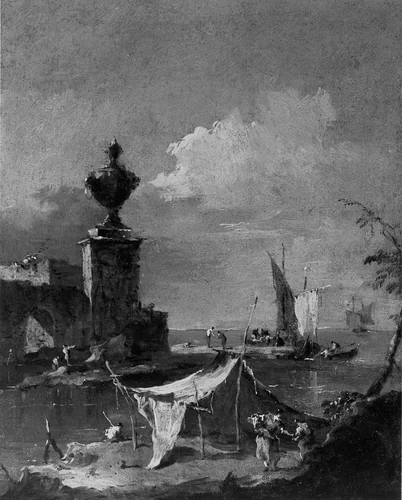
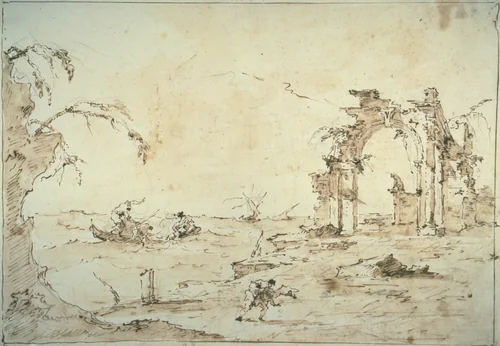
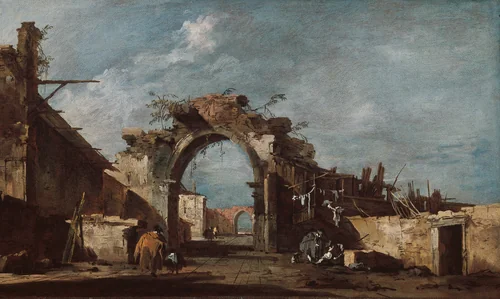
Guardi’s approach offered a distinct contrast to the precise, topographical realism favored by Canaletto. While his contemporaries pursued clarity, Guardi pursued a style defined by suggestion and rapid, almost feverish brushwork. He excelled particularly in the veduta ideata, or architectural fantasy, often called the capriccio. Works such as Capriccio with a Square Tower and Two Houses or Capriccio with an Island, a Tower, and Houses demonstrate this method perfectly: rather than rendering architecture with rigid fidelity, Guardi dissolves structures into shimmering patches of light and shadow, capturing the humid, ethereal atmosphere of the lagoon city. This atmospheric emphasis makes his works profoundly affecting, lending a quality of fragile beauty to his views of ruins and harbors, such as Farmers and Fisherman Working.
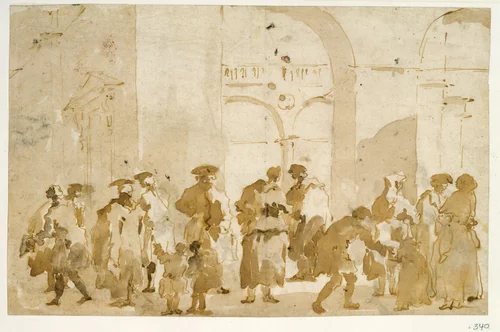
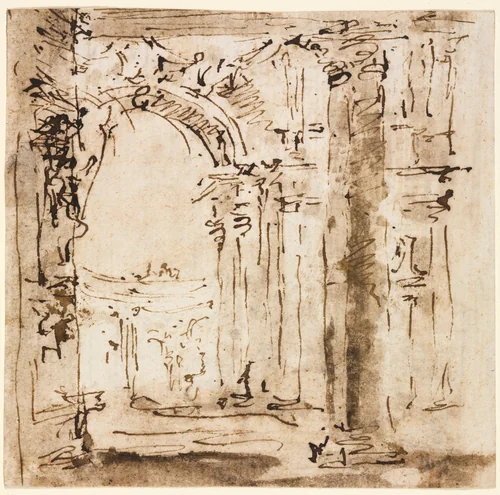
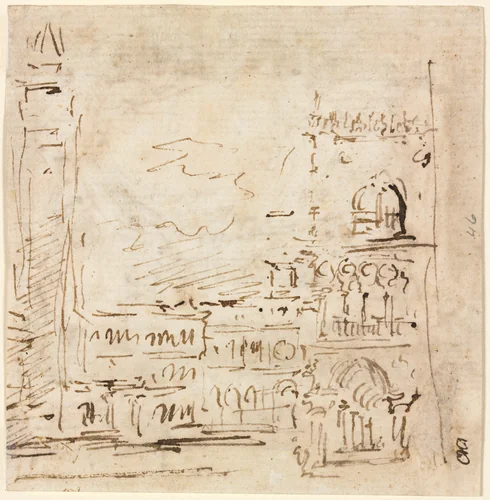
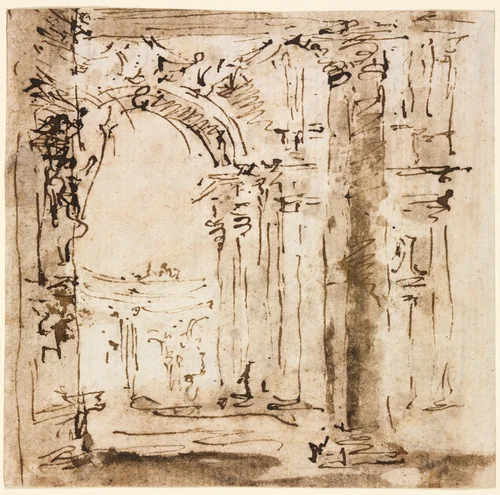
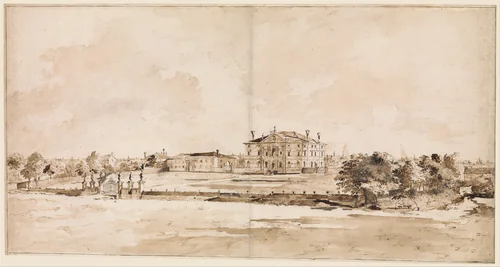
A master draftsman as well as a painter, Guardi generated a prolific number of studies, ensuring his continued artistic influence long after the Venetian Republic’s demise. His technical skill and unique vision make his output highly prized today. Major institutions, including the Metropolitan Museum of Art, the National Gallery of Art, and the Cleveland Museum of Art, steward significant collections of his works. Though access to the original Francesco Guardi paintings is necessarily restricted due to their age and museum-quality preservation requirements, a substantial amount of his output is available as downloadable artwork, often held in the public domain. This accessibility allows contemporary students and historians to closely examine the refined, spirited execution that marked the end of an artistic era.
Source: Wikipedia · CC BY-SA 4.0