Francesco da Sangallo
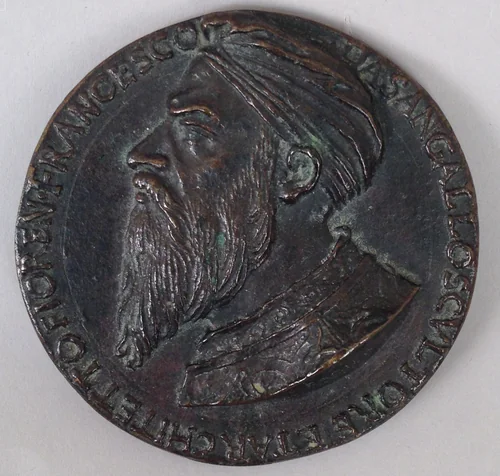
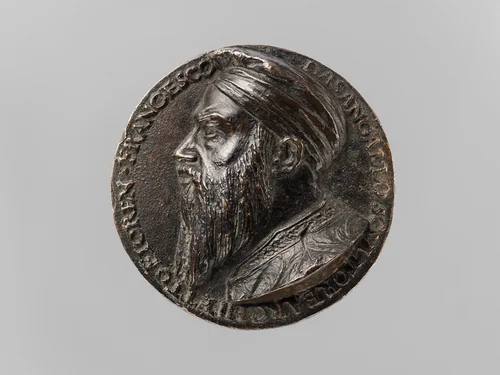
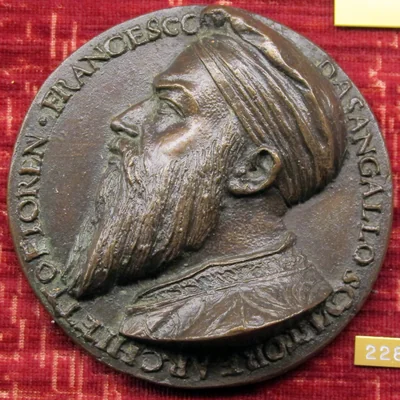
Francesco da Sangallo (1494–1576) was an accomplished Italian Renaissance sculptor, distinguishing himself during the volatile but highly productive period of the mid-sixteenth century. Inheriting a formidable legacy as the son of the celebrated architect and sculptor Giuliano da Sangallo, Francesco forged an independent artistic path, specializing in the demanding and prestigious medium of the bronze medal.
Active primarily between 1522 and 1565, Sangallo’s oeuvre provides a precise visual register of the intellectual and military elite of the period. His works, held in major institutions like the Metropolitan Museum of Art, are recognized for their technical proficiency and penetrating sense of realism, qualities necessary for capturing the complex identities of his subjects.
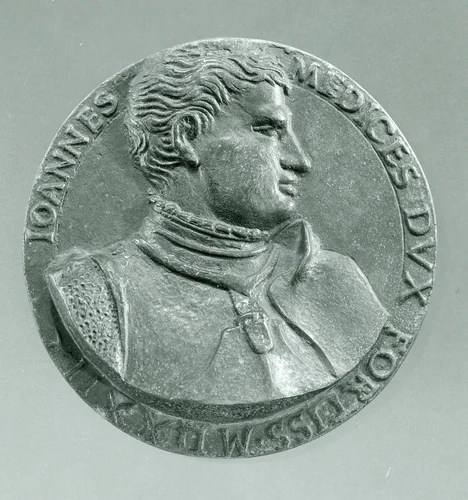
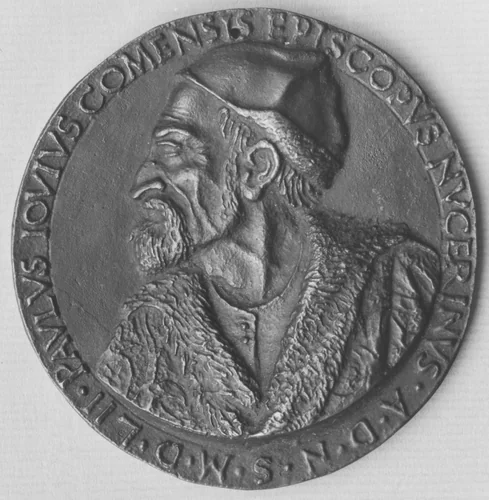
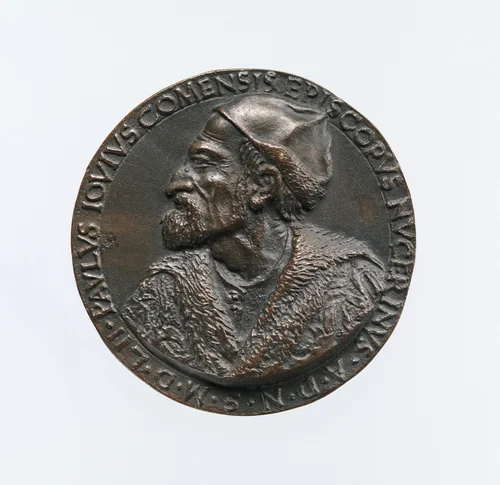
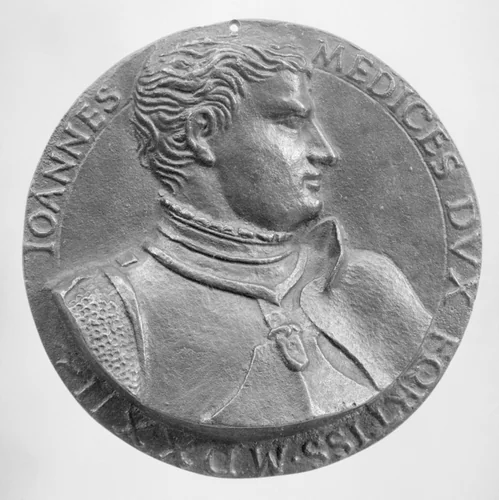
The function of the Renaissance medal was dual: serving as both a marker of status and a portable piece of art. Sangallo excelled at this format, demonstrated powerfully in his portrait of the formidable condottiero Giovanni de'Medici delle Bande Nere. Even in miniature, Sangallo imbued the military commander with monumental gravity. His relationship with the influential humanist and historian Paolo Giovio also proved particularly fruitful, resulting in some of his most sophisticated compositions. The medal featuring Portrait medal of Paolo Giovio (obverse); Giovio Raising a Man from a Grave (reverse) employs the classical tradition of pairing a detailed profile with an allegorical reverse, offering a complex visual commentary on the prelate’s life and intellectual achievements.
Intriguingly, Sangallo extended the medal format beyond public declaration to intimate personal documentation. He produced a double portrait with his wife, Francesco da Sangallo and Elena Marsupini, his wife, a tender self-portraiture that stands as a charming rarity among Renaissance masters.
Although overshadowed historically by the architectural triumphs of his dynasty, Francesco da Sangallo’s expertise in sculptural portraiture ensures his continued relevance. These museum-quality works are key visual documents for understanding the Cinquecento. Today, Sangallo’s output is actively studied, with many historical images and associated Francesco da Sangallo prints making his work accessible for broader public engagement and academic review.
Source: Wikipedia · CC BY-SA 4.0