Francesco Brizio
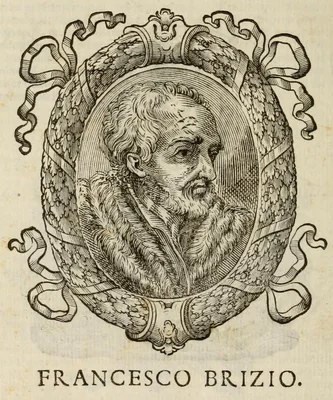
Francesco Brizio was a foundational figure within the influential Bolognese School, active during the crucial transition into the Baroque era, roughly between 1575 and 1617. Although recognized today as both a painter and an engraver, his lasting contribution rests significantly within the graphic arts, where his precise technique helped disseminate the evolving aesthetic of Bologna across Europe.
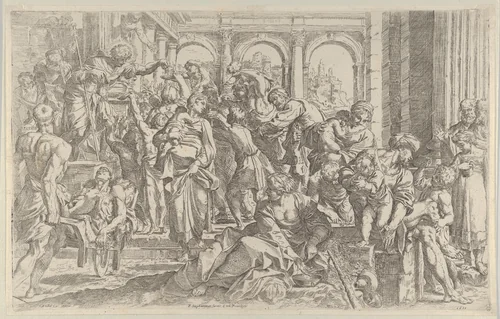
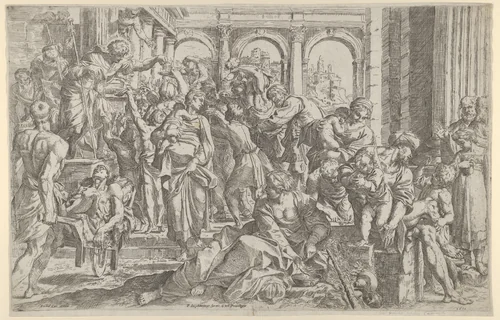
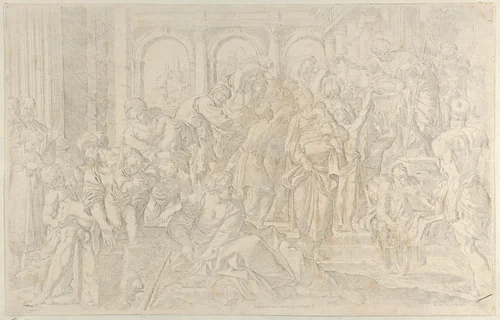
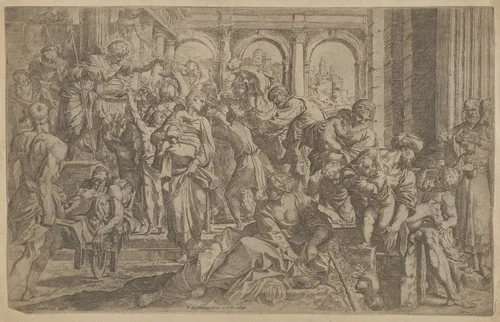
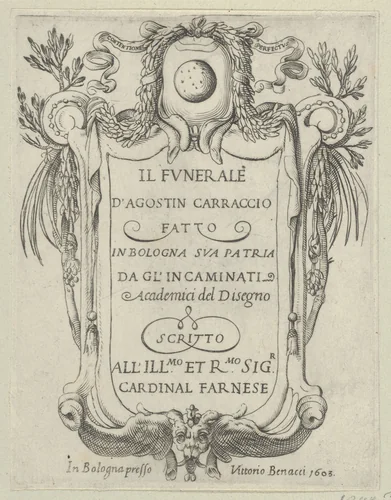
Operating primarily in the decades surrounding the founding of the Accademia degli Incamminati, Brizio’s work bridged the refined classicism of the late sixteenth century with the burgeoning drama of the early seventeenth. His technical acumen as an engraver allowed him to translate complex painterly compositions into reproducible, high-quality prints. This capability was essential to the spread of the new movement. A crucial facet of his career involved collaboration and replication, evidenced by detailed copperplate work, such as the numerous variations of Saint Roch distributing alms which Brizio rendered after the designs of Annibale Carracci. This practice underscores his role not merely as an artistic inventor, but as a skilled interpreter amplifying the vision of the era's masters.
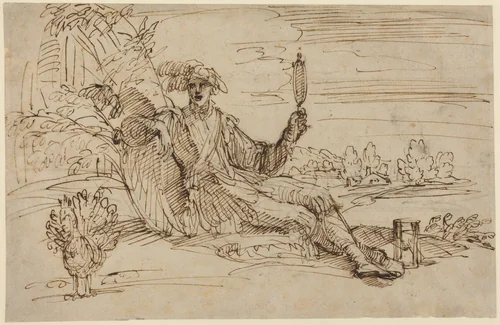
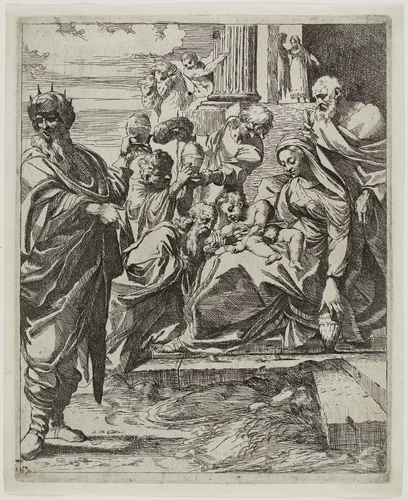
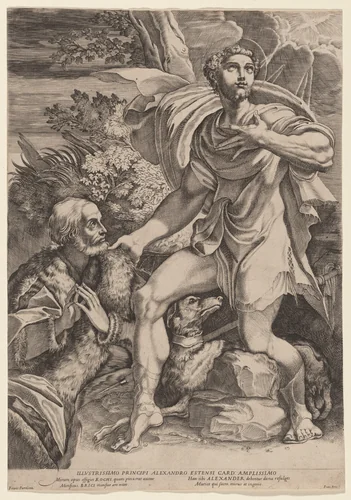
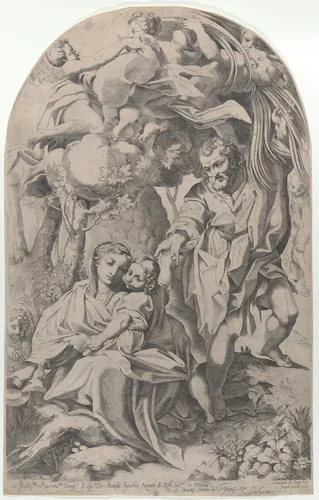
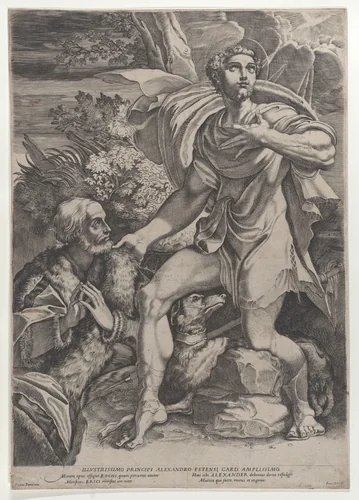
Brizio’s original conceptions often centered on poignant religious narratives and evocative allegories. His Adoration of the Magi demonstrates a sophisticated command of depth and lighting typical of the developing early Baroque style. Perhaps the most intriguing of his surviving works is An Elegant Young Man Personifying Vanity, a print that captures the societal preoccupation with moral commentary during the Counter-Reformation. This image, combining meticulous costume detail with subtle psychological depth, reveals Brizio’s ability to inject narrative personality into traditional forms; one senses Brizio had a keen, perhaps slightly judgmental, eye for fashionable folly.
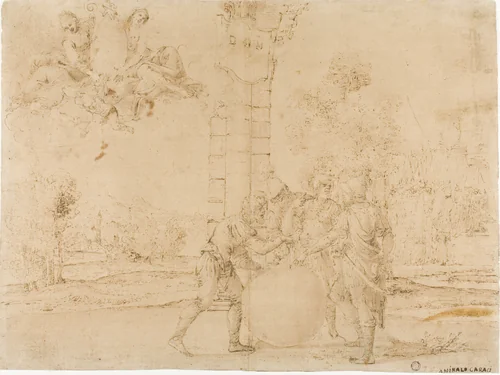
With only a concentrated body of work surviving, including two drawings and a dozen Francesco Brizio prints, the quality and historical significance of these pieces ensure their continued prominence. Today, these museum-quality works are held in prestigious North American institutions, including the Metropolitan Museum of Art and the National Gallery of Art. Many of Brizio’s documented etchings are now within the public domain, making downloadable artwork and free art prints readily accessible for scholarly engagement, preserving his legacy as an essential chronicler of the early Baroque period.
Source: Wikipedia · CC BY-SA 4.0