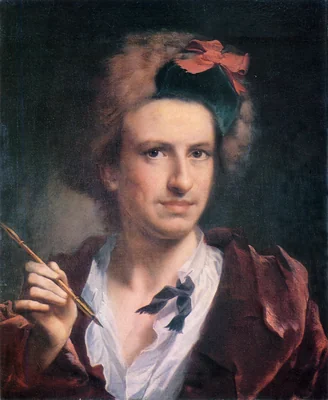
Francesco Bartolozzi
Francesco Bartolozzi (1700-1747) was a pivotal Italian printmaker whose most significant contribution to the visual arts occurred during his prolific residency in London. While trained in the traditional engraving schools of Florence, Bartolozzi’s professional trajectory took him to England, where he quickly adapted his technical skills to meet the fashionable tastes of the cosmopolitan eighteenth-century art market. His work marked a crucial evolutionary phase in reproductive printmaking, enabling wider access to fine art through sophisticated, mass-produced images.
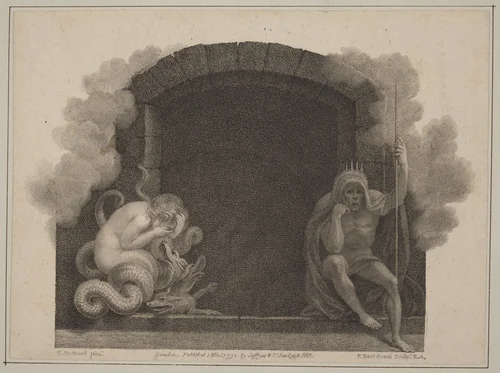
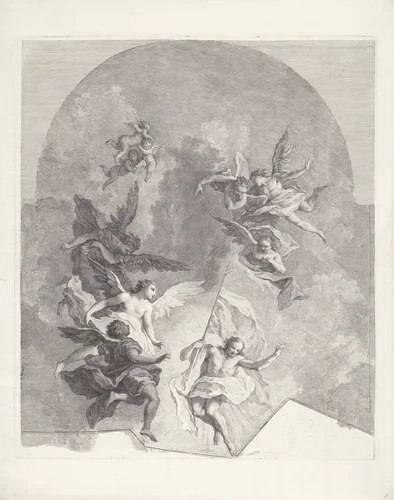
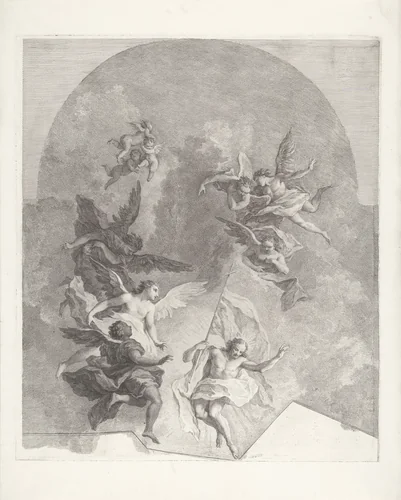
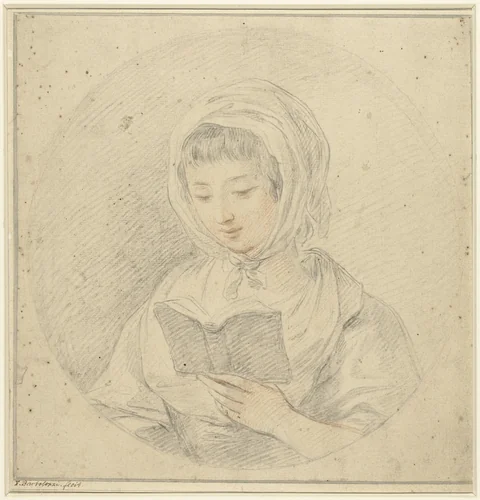
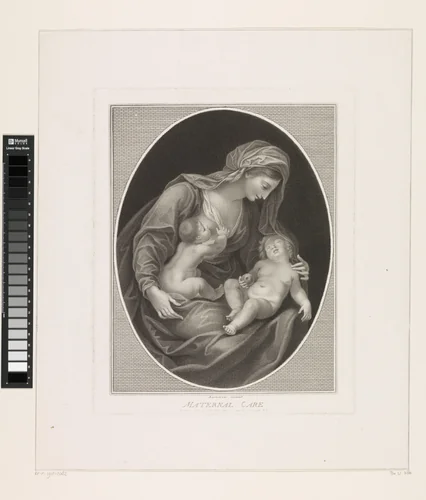
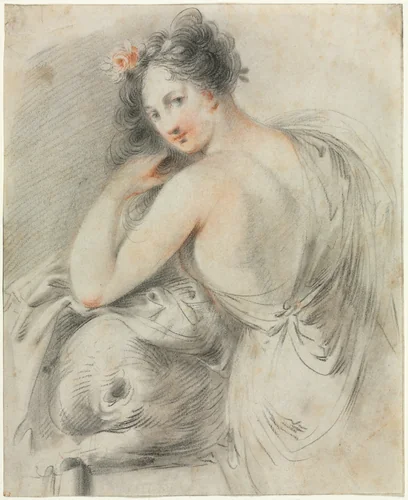
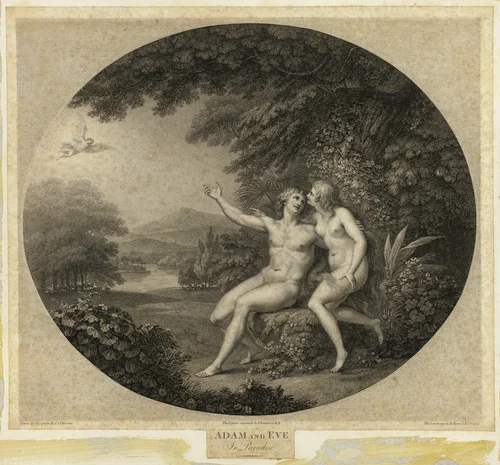
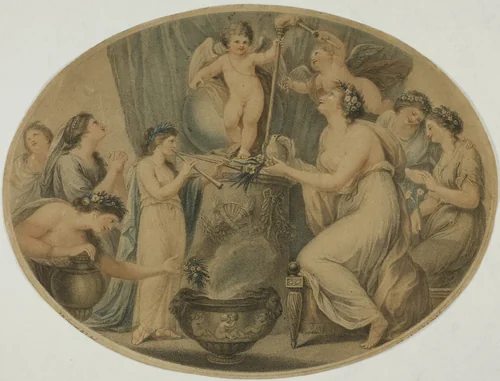
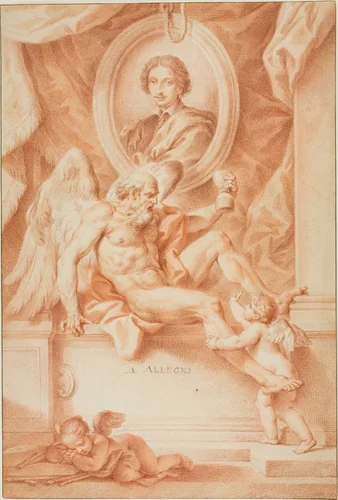
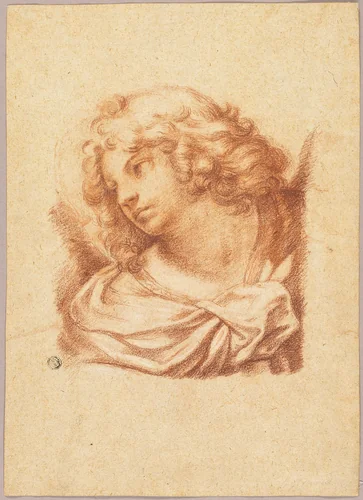
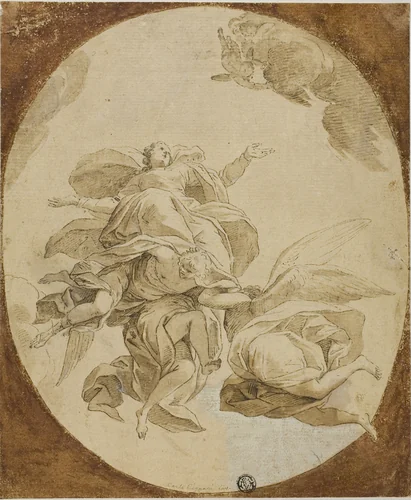
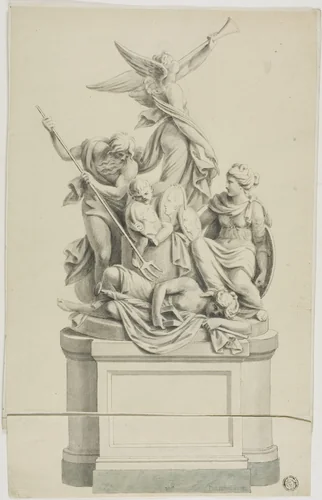
Bartolozzi's most enduring achievement was the dramatic popularization of the stipple engraving method, often referred to at the time as the "crayon" manner. This technique was revolutionary, allowing the artist to render the soft, granulated textures of red chalk, black chalk, and pastels directly onto the copper plate using a series of fine dots, rather than relying solely on harsh lines. This innovation yielded prints with an unparalleled delicacy and tonal nuance, such as the allegorical study The Tomb of Death and the devotional work Hemelvaart van Christus. It was a method perfectly suited to disseminating faithful reproductions of original drawings, which proved highly desirable among British collectors.
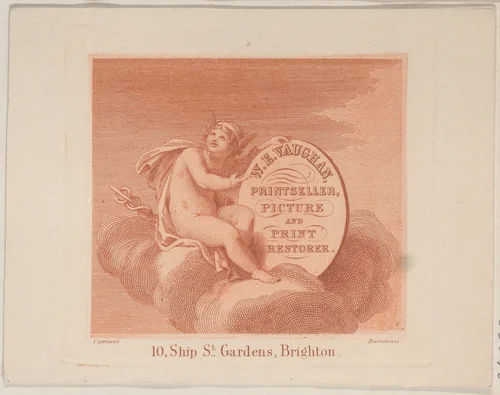
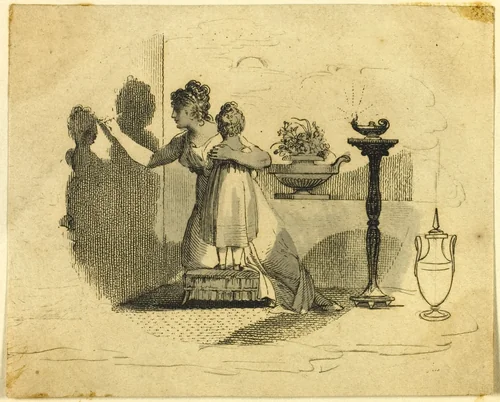
His prolific output was varied, encompassing everything from intricate historical narratives and religious compositions to the necessities of commerce, evidenced by his distinctive Trade Card for W.E. Vaughan, Printseller & Restorer. Bartolozzi demonstrated an exceptional skill for catering to both high art and commercial necessity; if one could engrave it, Bartolozzi could market it. This commercial dexterity solidified his influence over the print industry for decades.
Today, Bartolozzi’s historical importance is recognized internationally, with examples of his finest work held in major institutions including the Metropolitan Museum of Art and the Art Institute of Chicago. The technical mastery evident in his output ensures these high-quality prints remain subjects of study. Furthermore, due to their age, much of his striking imagery is now entering the public domain, available as royalty-free downloadable artwork for contemporary scholarship and appreciation.
Source: Wikipedia · CC BY-SA 4.0