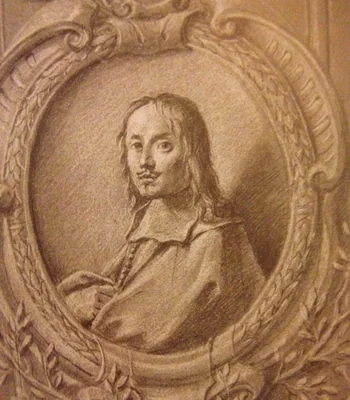
Francesco Allegrini
Francesco Allegrini da Gubbio (active 1600-1624) stands as a significant, though often regionally defined, figure of the early Italian Baroque. Operating during the initial decades of the 17th century, Allegrini was a peripatetic master whose career traversed the peninsula, establishing practices in key artistic hubs including Rome, Genoa, Savona, and Naples. This geographical mobility suggests a robust professional demand for his skills in both grand religious commissions and detailed secular designs, positioning him centrally within the dynamic artistic patronage systems of the period.
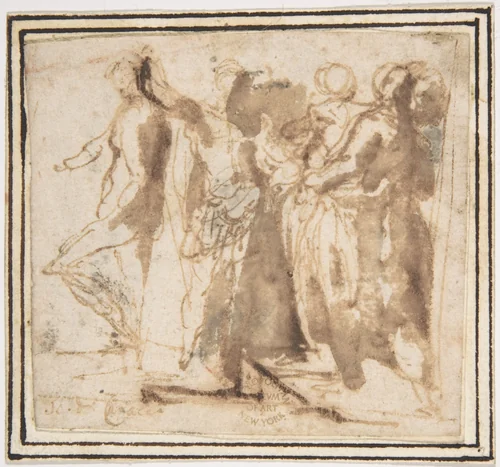
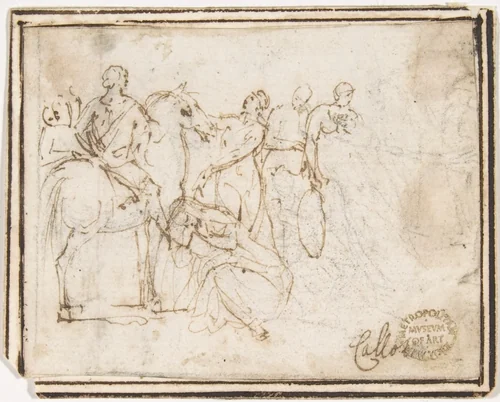
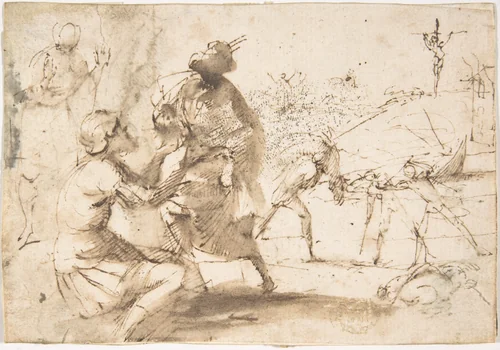
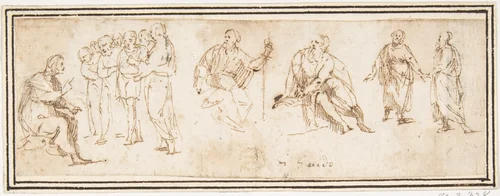
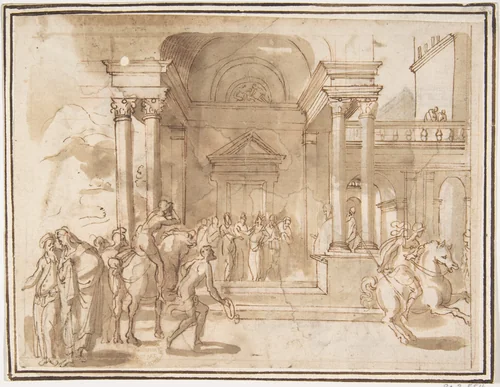
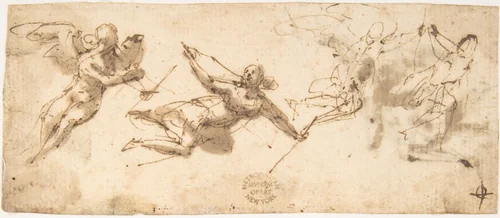
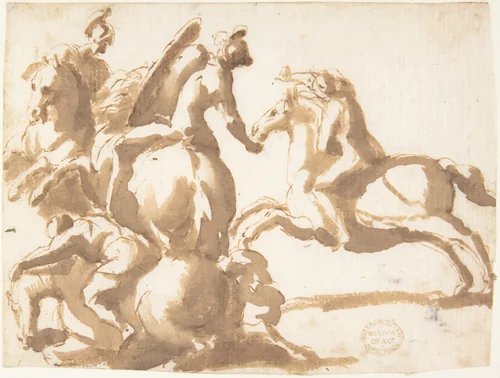
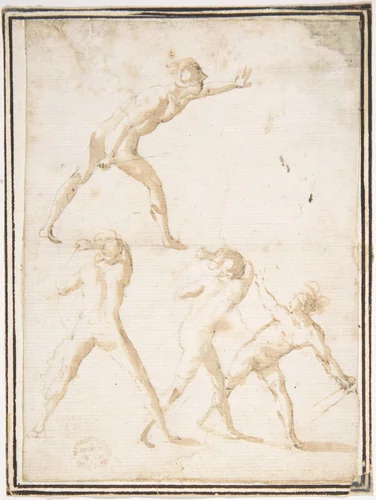
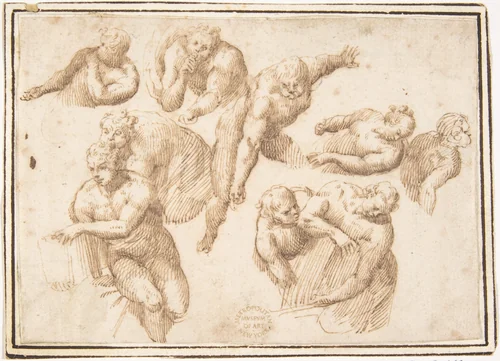
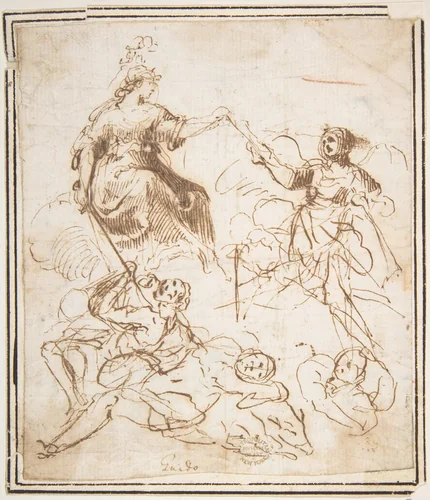
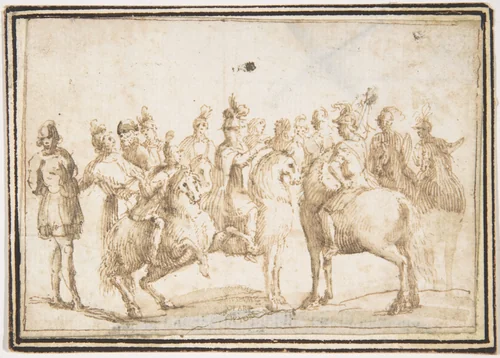
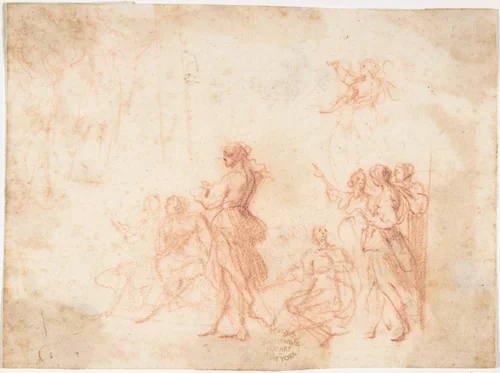
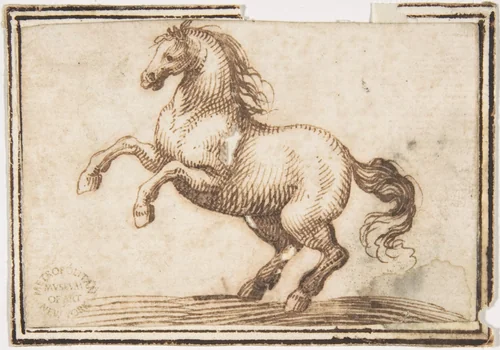
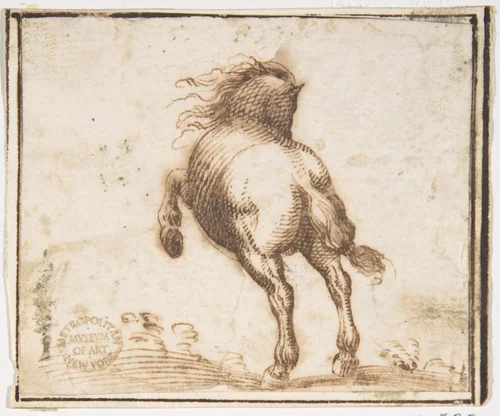
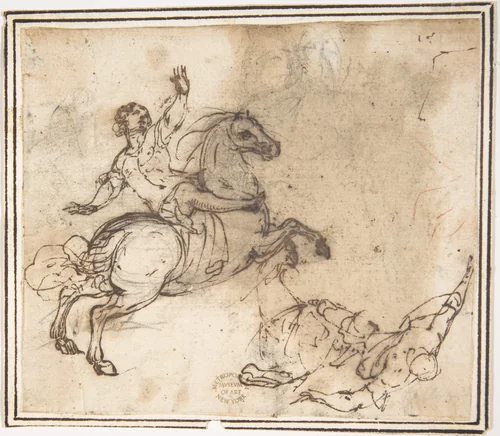
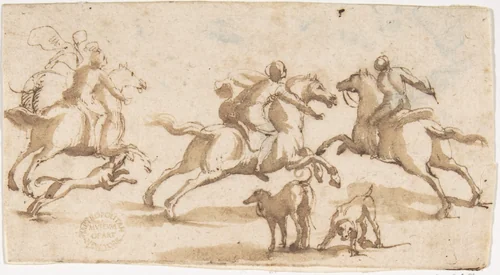
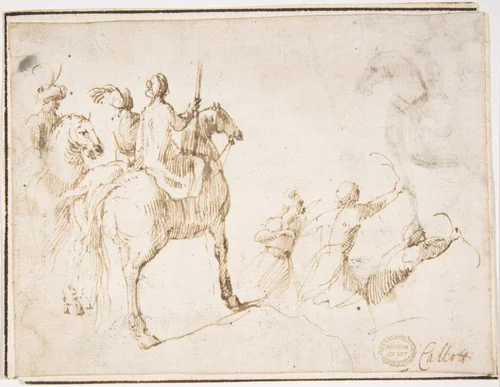
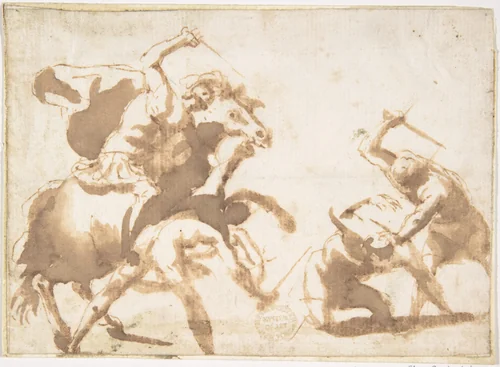
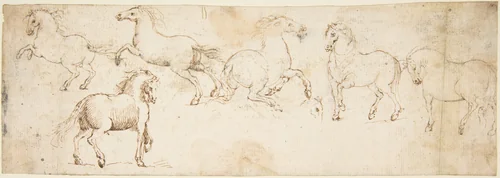
While the corpus of his work includes Francesco Allegrini paintings, Allegrini is particularly recognized for the clarity and invention present in his surviving preparatory drawings and graphic designs. Preserved in major institutions such as the Art Institute of Chicago and the National Gallery of Art, these works reveal an artist equally adept at handling the complex narratives of classical literature, such as Orlando and the Thieves, and the solemnity of scriptural events, exemplified by the composition Birth of the Virgin. His proficiency extended beyond the canvas into architectural and decorative planning, underscoring his role as a versatile disegnatore capable of executing comprehensive schemes.
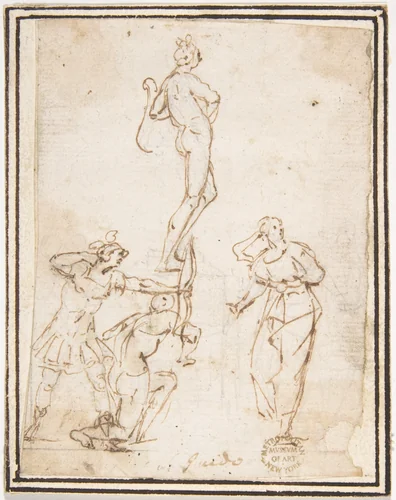
Allegrini possessed a discerning eye for ornamental display and social structure, particularly evident in specialized works like Design for a Garden Fête with a Semi-circular Wall and Statues in Niches. This drawing, housed alongside his mythological works like Venus on Pedestal, offers a subtle, fascinating glimpse not merely into architectural planning but into the structured leisure of the Roman elite—a Baroque insistence on orchestrating the very mechanics of sophisticated recreation. This attention to detail has ensured the longevity of his designs; today, much of his foundational work, including many of his finest studies, resides within the public domain, allowing institutions to generate high-quality prints and academic reproductions.
Allegrini’s artistic impact extended into the next generation. Both of his children, Flaminio and Angelica Allegrini, pursued painting careers, continuing the family practice within the developing traditions of the Baroque. Angelica, in particular, maintained a presence in their familial town, producing a notable canvas for the church of San Francesco in Gubbio, thereby establishing the family name across varied regional traditions.
Source: Wikipedia · CC BY-SA 4.0