Francesco Albani
Francesco Albani, or Albano, was a distinguished Italian Baroque painter whose career spanned the transition from the late sixteenth into the early eighteenth century. A central figure of the Bolognese school, Albani’s formative artistic principles were deeply rooted in the rigorous classicism championed by Annibale Carracci. This foundational influence provided Albani with a powerful yet restrained approach to draftsmanship and composition, which he maintained throughout an active professional life that necessitated travel across major Italian centers, including Bologna, Rome, Viterbo (1609-1610), Mantua (1621-1622), and Florence (1633).
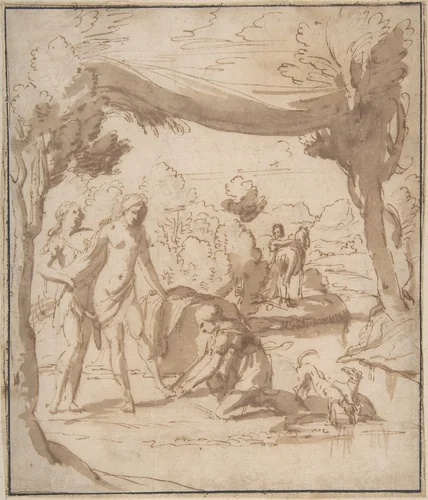
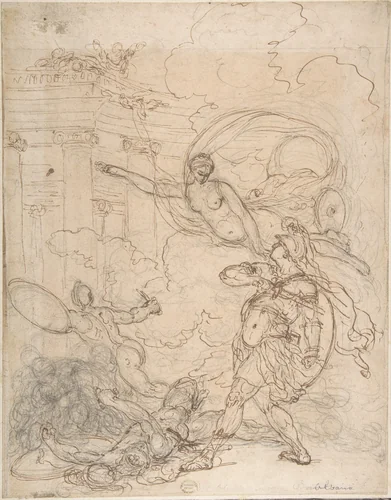
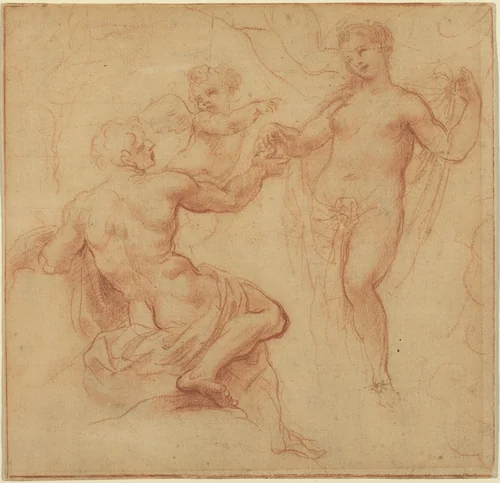
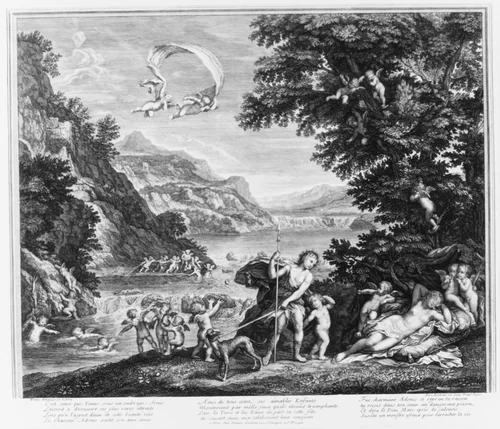
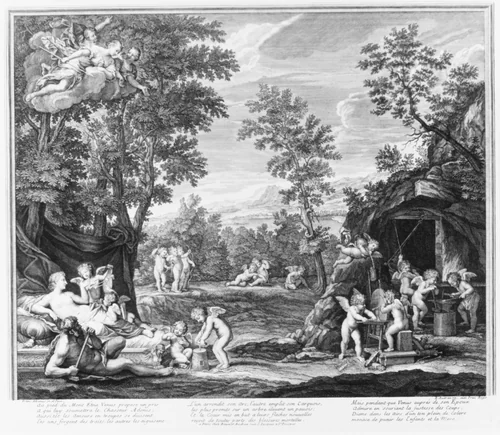
Albani earned critical acclaim not primarily through grand altarpieces, but through smaller, more intimate mythological pictures and highly refined idyllic landscapes. His strength lay in depicting narratives of classical antiquity with sophisticated lightness, rendering subjects such as Diana Bathing, Goddess Inciting a Warrior, and Paris Awarding the Apple to Venus. His skill in combining graceful figures with atmospheric settings earned him the cherished soubriquet ‘the Anacreon of painters,’ a reference to the ancient Greek lyric poet known for celebrations of love, wine, and pleasure. This designation neatly encapsulates Albani’s unique contribution: the successful infusion of refined, sometimes gently sensual, lyricism into the formal structure of the high Baroque.
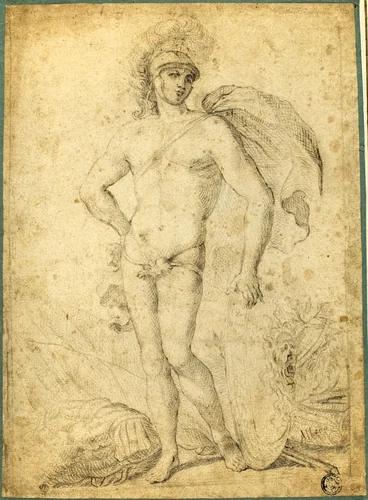
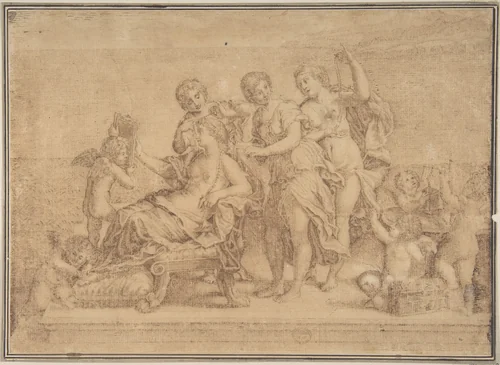
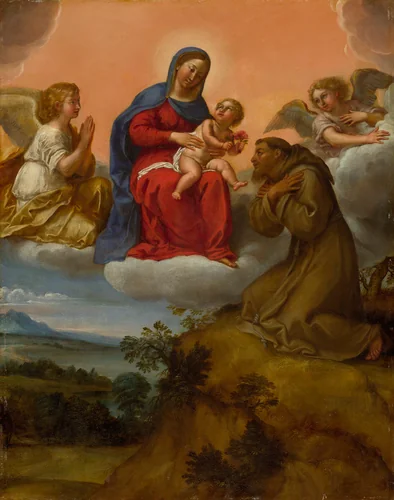
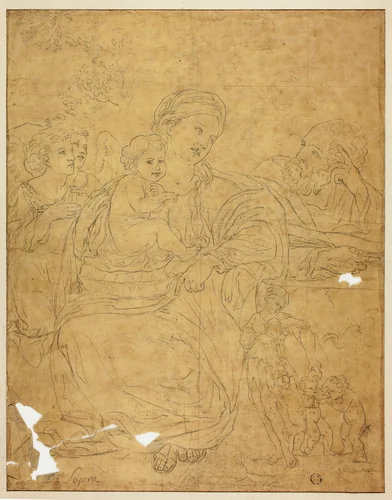
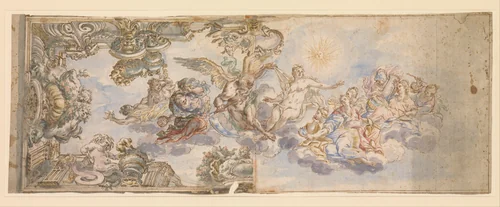
The range of Albani’s surviving works, encompassing preparatory drawings, prints, and finished Francesco Albani paintings, demonstrates his consistent technical mastery. Noteworthy are studies such as the Standing Nude Warrior, possibly Mars, with Shield and the Engraver's Copy After The Toilet of Venus, which illustrate the meticulous process behind his popular compositions. Today, his works are held in premier collections worldwide, including the Metropolitan Museum of Art, the National Gallery of Art, and the Art Institute of Chicago. The lasting appeal of his output ensures that numerous Francesco Albani prints and drawings, many available through the public domain, continue to be valued as museum-quality resources for the study of seventeenth-century Italian classical taste.
Source: Wikipedia · CC BY-SA 4.0