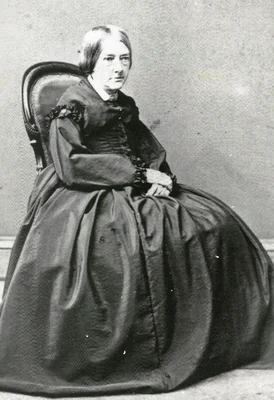
Frances Flora Bond Palmer
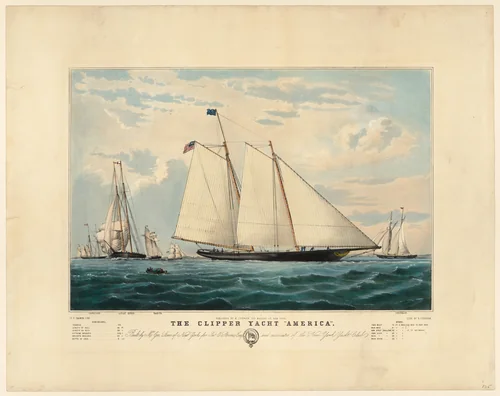
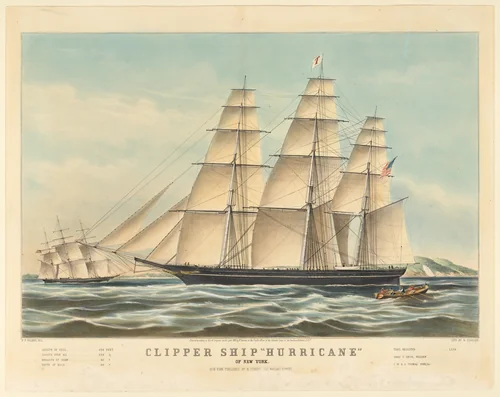
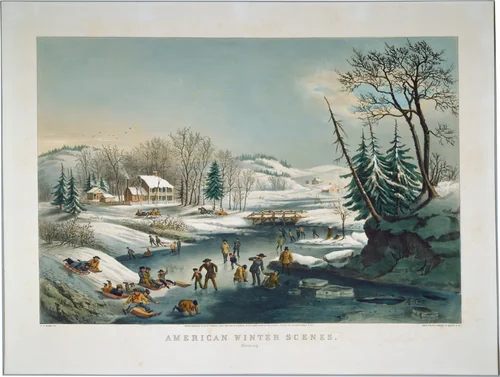
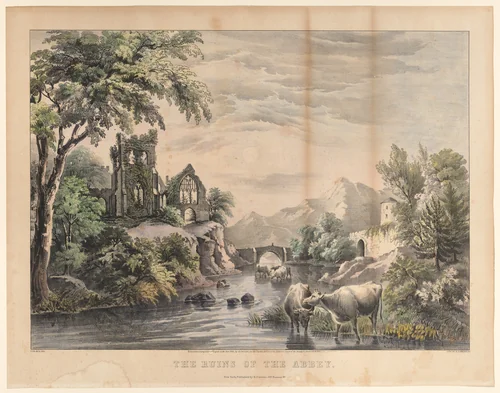
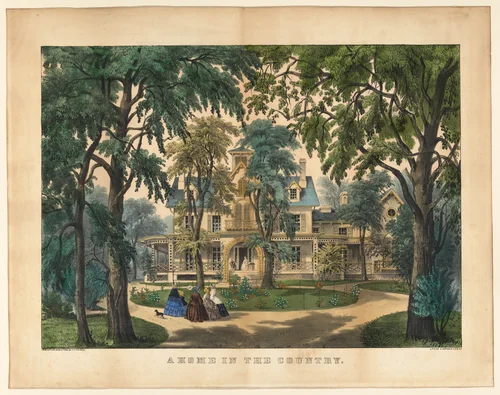
Frances Flora Bond Palmer (1812-1876), an English émigré often referred to as Fanny Palmer, was one of the most commercially successful and technically skilled lithographers of her era, instrumental in shaping the visual identity of 19th-century America. Active primarily between 1843 and 1856, Palmer successfully transitioned from independent artist to a key contributor to Currier and Ives, the dominant publishing house responsible for saturating the market with accessible, mass-produced imagery.
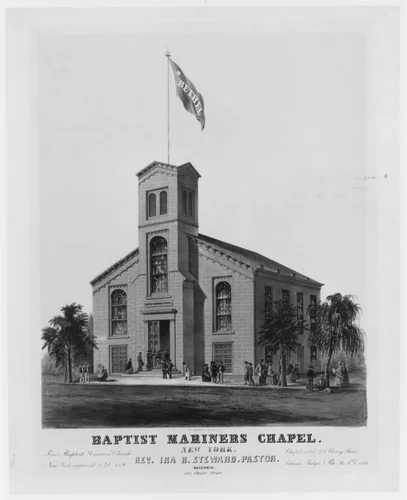
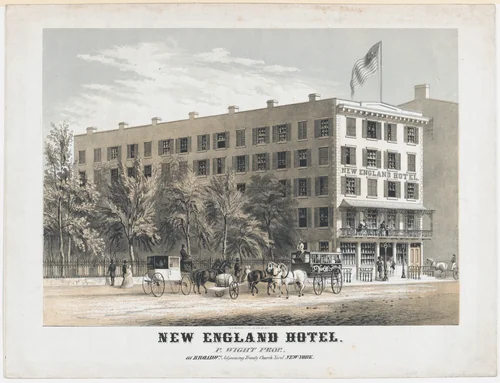
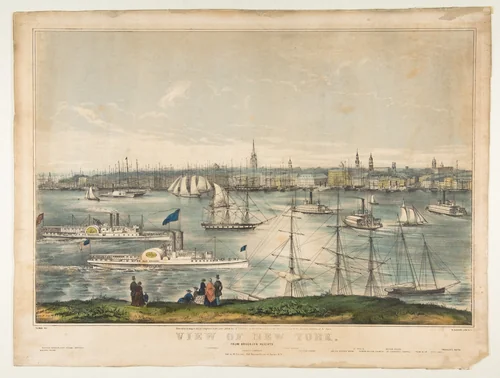
Her significance lies in her mastery of the lithographic medium, a process that allowed for the rapid reproduction of detailed, high-quality prints far surpassing earlier methods. Palmer specialized in meticulously composed architectural studies and detailed urban vignettes. Works such as Baptist Mariners Chapel, New York and New England Hotel, Broadway, Adjoining Trinity Church Yard, New York illustrate her acute ability to translate complex street scenes and building facades onto the lithographic stone. The resulting Frances Flora Bond Palmer prints ensured a rare combination of topographical accuracy and aesthetic appeal, catering directly to a public eager for highly realistic documentation of local landmarks.
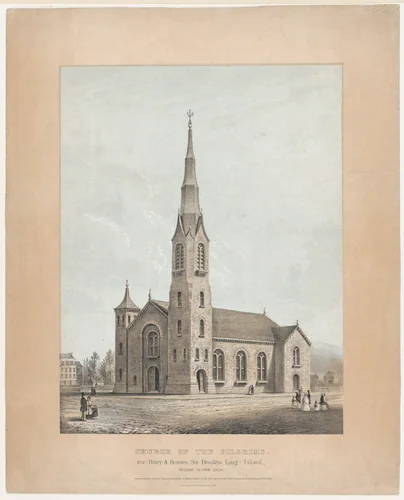
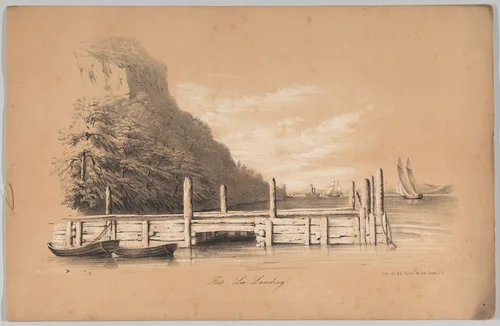
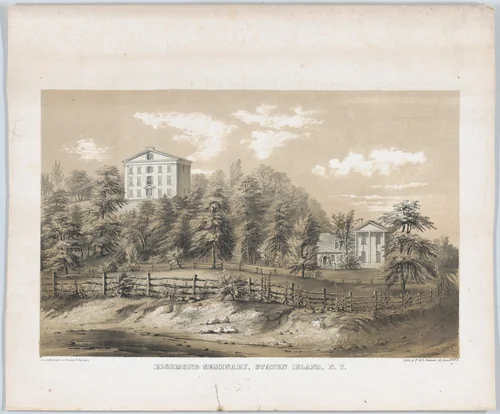
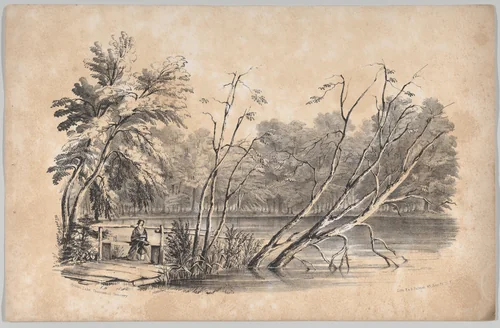
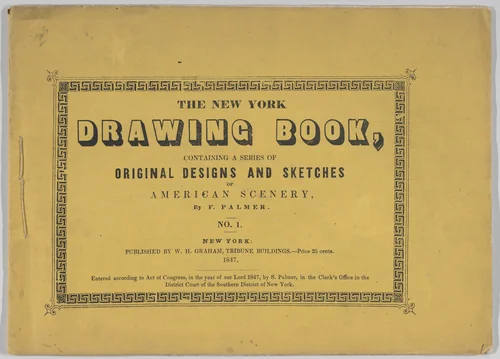
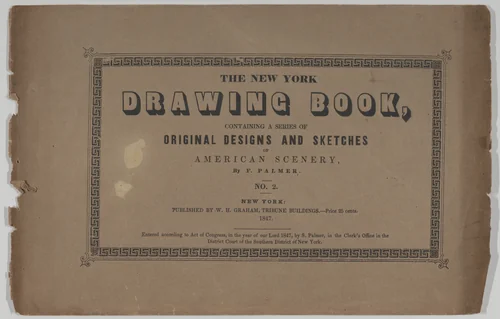
Palmer’s output reflected the rapid urban expansion of the period. She often contributed detailed sketches to publications, featuring studies like Fort Lee Landing in The New York Drawing Book. Her compositions typically presented a polished, aspirational view of American infrastructure and development, whether depicting the bustling metropolis or quieter, institutional sites such as Richmond Seminary, Staten Island, N.Y. and the monumental Church of the Pilgrims, Brooklyn, New York.
Her career is notable not just for technical excellence, but for the position she attained: she was recognized as a highly successful professional artist in a highly commercial field often dominated by male practitioners. Her limited but influential corpus, comprising nine distinct prints and six books, is now held in prestigious institutions, including the Metropolitan Museum of Art and the National Gallery of Art. Because of the widespread circulation and subsequent availability of Currier and Ives images, much of her material is now in the public domain, offering invaluable documentary insight through downloadable artwork into the historical fabric of the mid-nineteenth century.
Source: Wikipedia · CC BY-SA 4.0