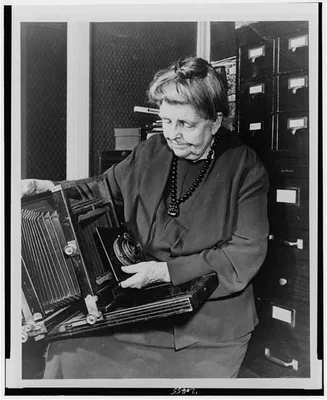
Frances Benjamin Johnston
Frances Benjamin Johnston (1864–1952) was a pioneering American photographer and photojournalist whose prolific career spanned nearly fifty years, positioning her as one of the most significant visual chroniclers of American life at the turn of the twentieth century. Her work, characterized by rigorous documentation and compositional clarity, established a high bar for the emerging field of photojournalism.
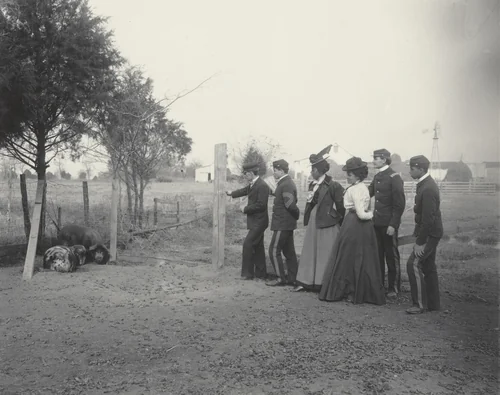
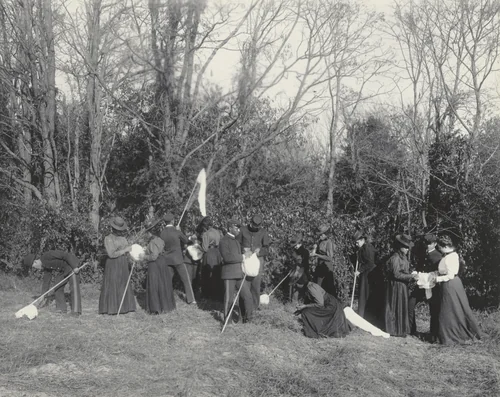
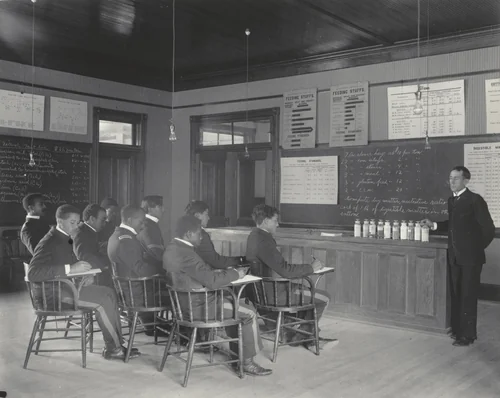
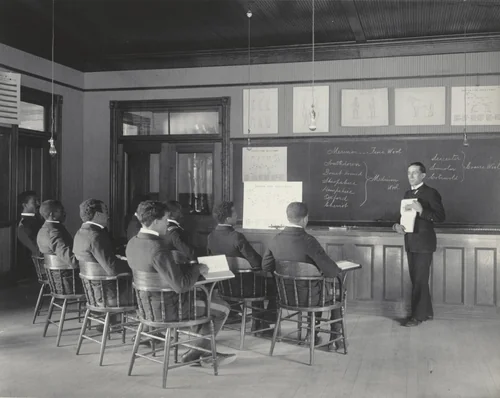
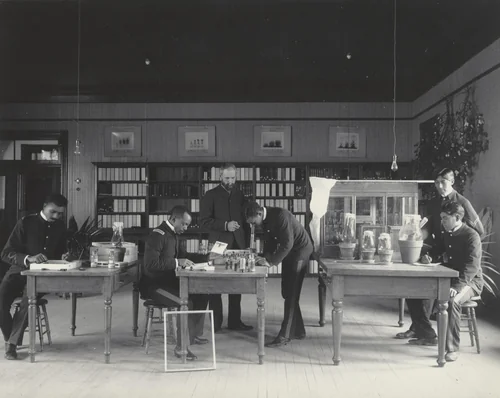
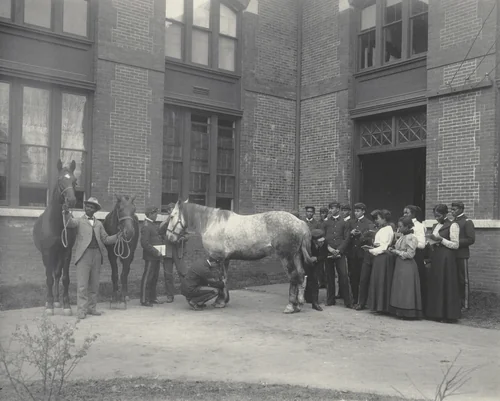
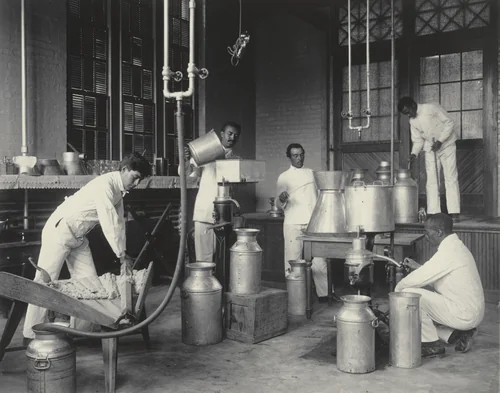
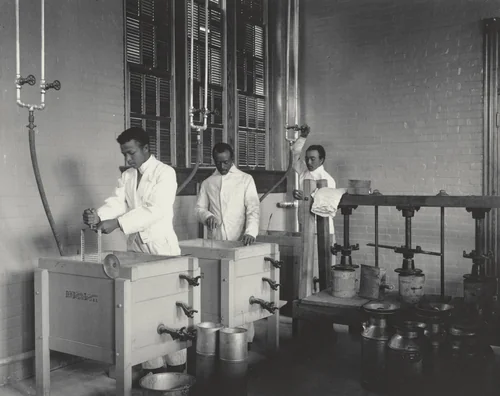
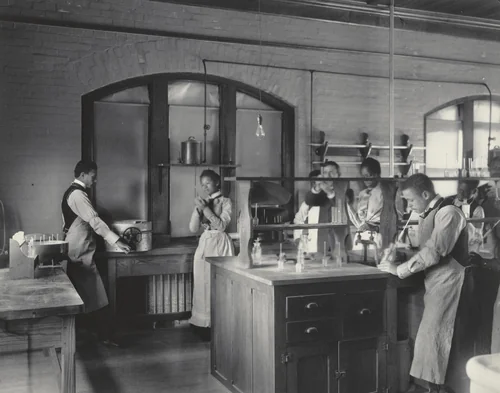
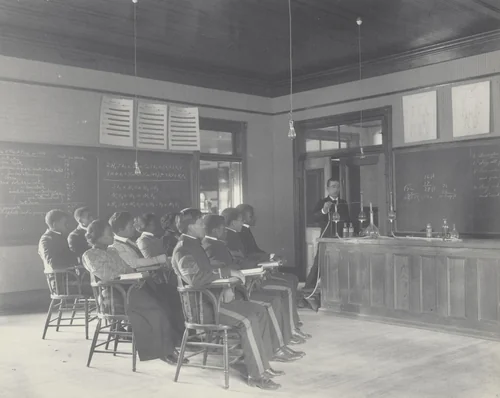
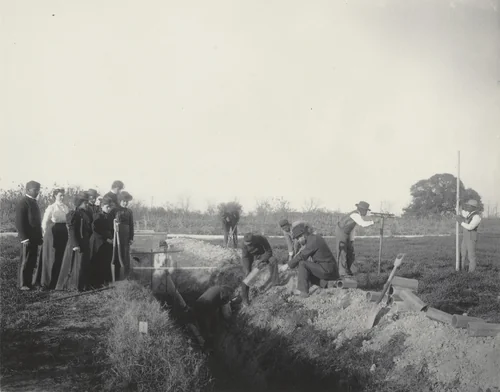
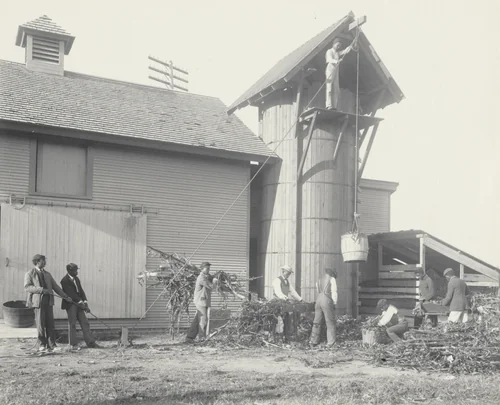
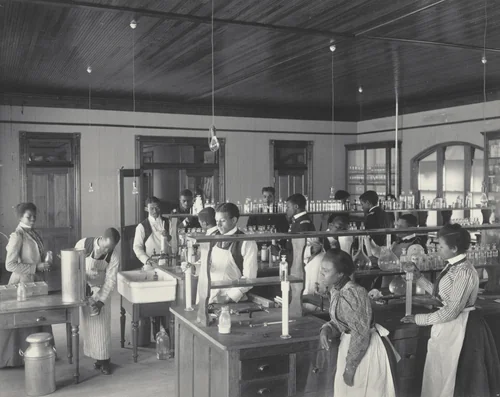
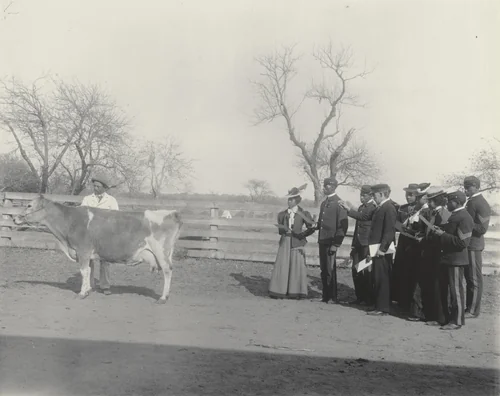
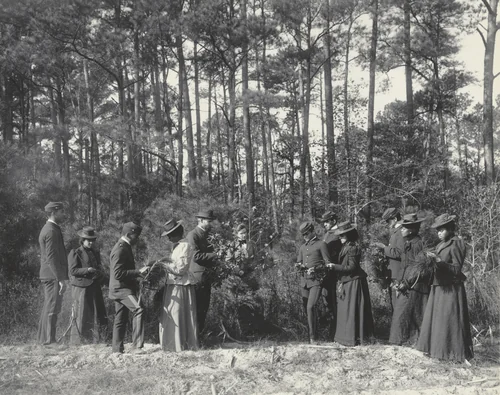
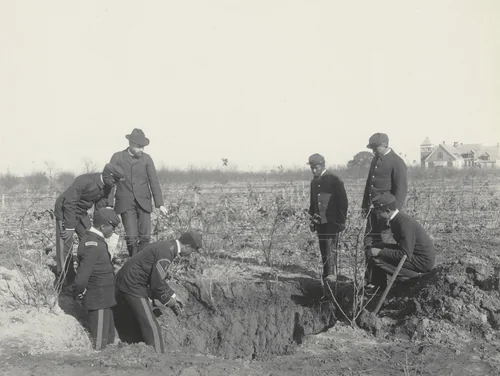
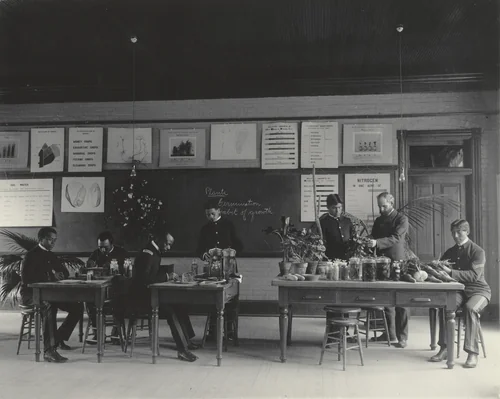
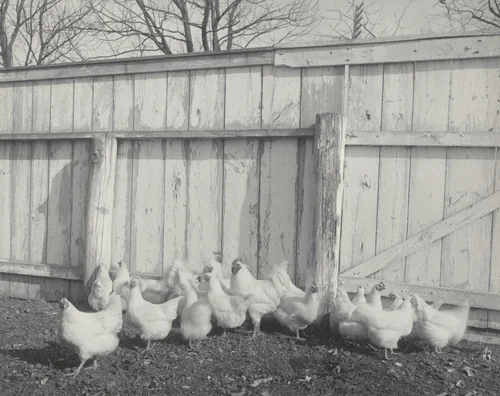
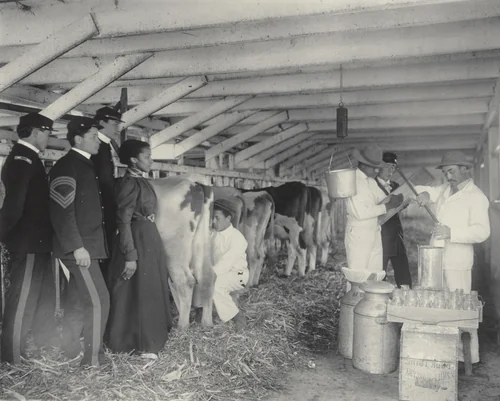
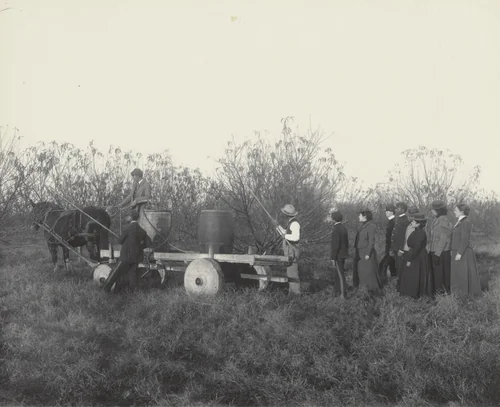
Johnston's professional portfolio was diverse, encompassing elegant society portraits, governmental commissions, and systematic architectural studies. Yet, her most enduring legacy rests upon her expansive series focusing on the daily lives and vocational education of marginalized communities. Beginning in 1899, Johnston undertook extensive projects at institutions like the Hampton Institute in Virginia, where she produced essential visual surveys of African American and Native American students.
Images such as A Class in dress-making and A class in manual training. Bent iron and tin transcend mere academic record; they function as carefully constructed sociological documents. These works offered unprecedented access to the processes of assimilation and education, revealing the complex hopes and realities of these communities during a period of intense social change. This dedication to documentation positioned Johnston as a key contributor to the ethnographic photography of the era.
Throughout her career, Johnston skillfully navigated the male-dominated professional photographic establishment, blending objective artistic practice with a savvy, self-aware public persona. Her ability to secure sustained commissions for architectural work, particularly the documentation of decaying southern estates, cemented her later reputation as an archivist of historic American landscapes. She was an early practitioner who understood the necessity of maintaining control over her output and distribution.
Today, her archive remains a cornerstone of American history, collected by major institutions including the Museum of Modern Art. Due to her long-standing commitment to public accessibility and the age of her work, much of this invaluable material has entered the public domain, ensuring that these historical records, available as high-quality prints, continue to inform research and appreciation globally.
Source: Wikipedia · CC BY-SA 4.0