France
France, a semi-presidential republic whose metropolitan area spans from the Rhine to the Atlantic Ocean, served as the central cultural powerhouse of Western Europe during the high Renaissance. This extensive geographic reach, which includes shared borders with nations like Belgium, Germany, and Switzerland, ensured a continuous exchange of artistic ideas that fueled distinct French stylistic innovations, particularly in luxury goods and ecclesiastical textiles during the 16th century (1501-1601).
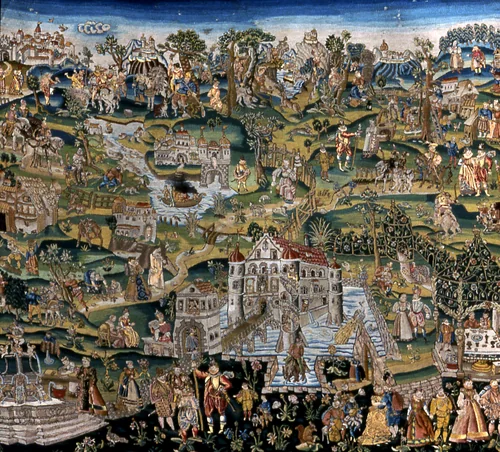
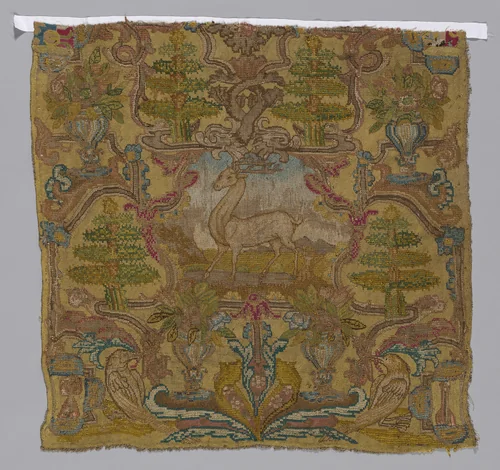
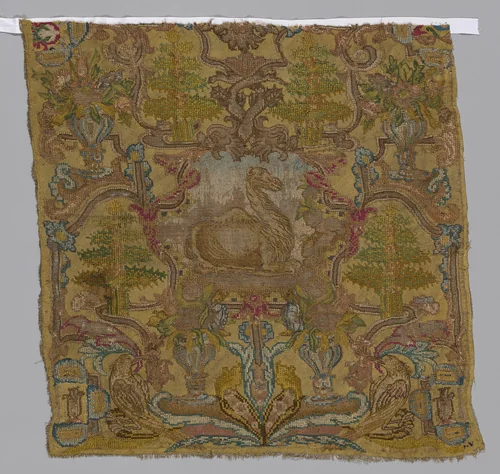
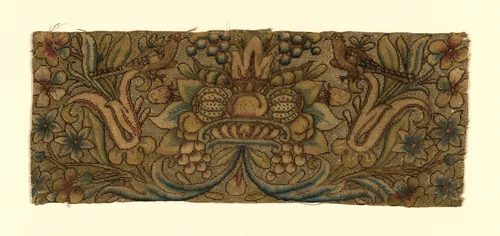
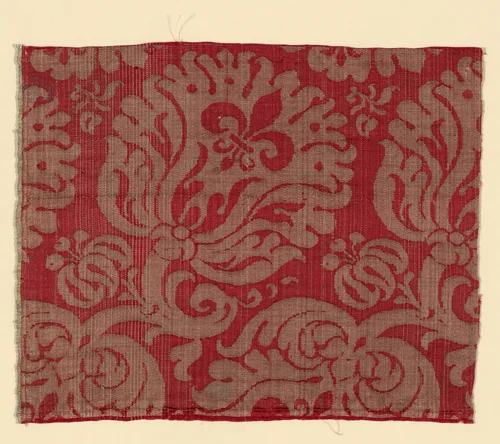
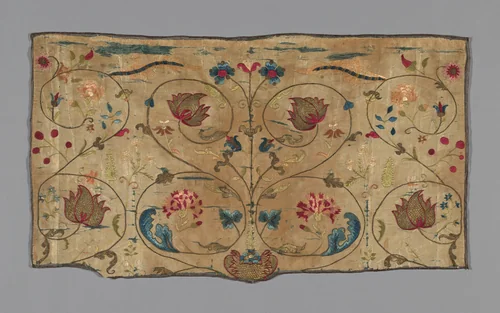
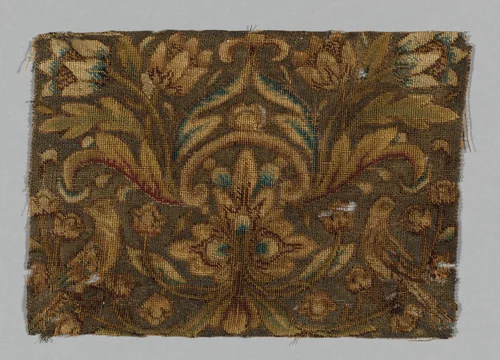
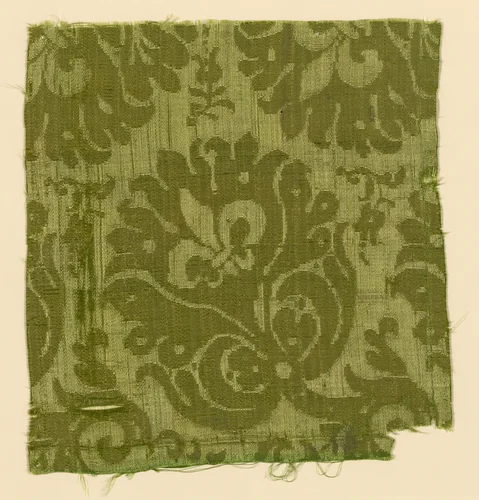
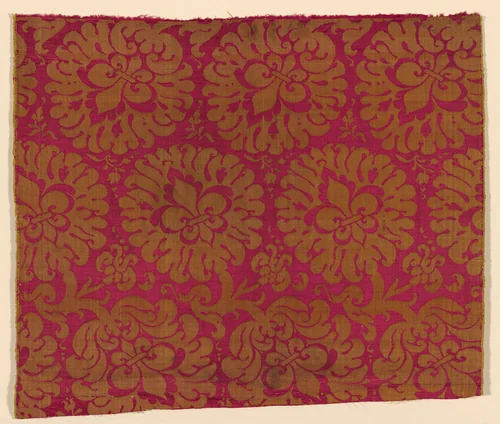
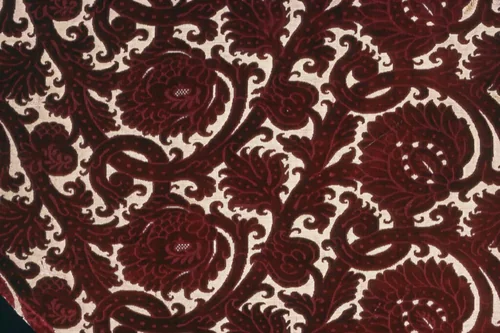
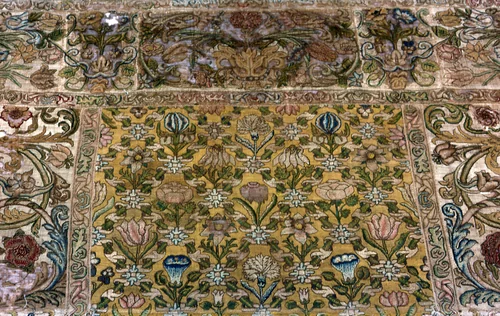
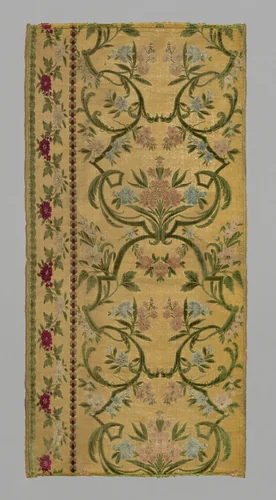
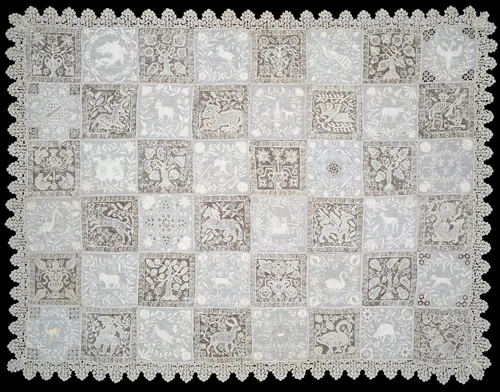
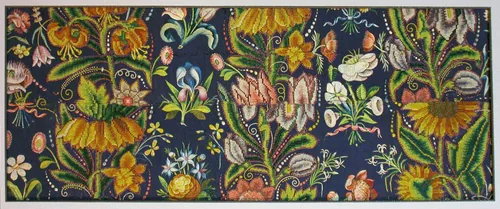
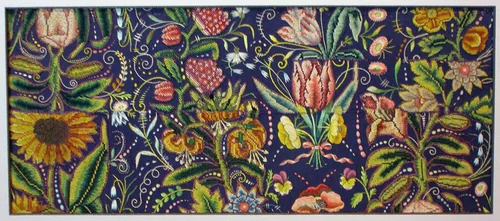
While the country is most renowned for its later contributions to painting and sculpture, the early 16th century saw France mastering complex textile design and fabrication. The fifteen known works attributed to this period, now held in international collections such as the Art Institute of Chicago, demonstrate a sophisticated command of both liturgical necessity and secular decorative arts. These range from functional furnishings, exemplified by the repeated Chair Seat designs, to detailed narrative works. The elaborate A Day in the Life of a French Nobleman offers a rare, detailed glimpse into courtly customs, presented with a refined elegance characteristic of Parisian workshops, which served as the capital’s central cultural and economic engine.
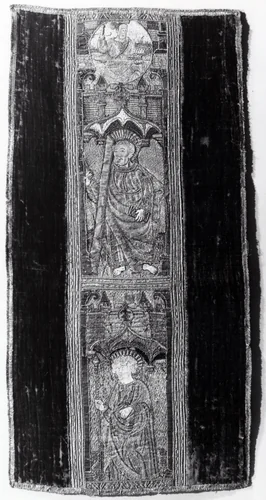
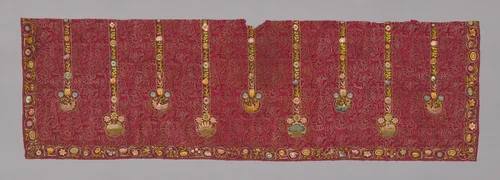
The sheer scale of French artistic influence was underpinned by its unprecedented geographic complexity. The country’s vast, discontiguous exclusive economic zone, stretching from the North Atlantic to the Indian Ocean, perhaps unintentionally provided an early template for global art distribution. The structural components essential to these productions, such as the complex weaving of the Orphrey and the decorative precision of the Border, illustrate the museum-quality standards demanded by both the church and the powerful aristocracy.
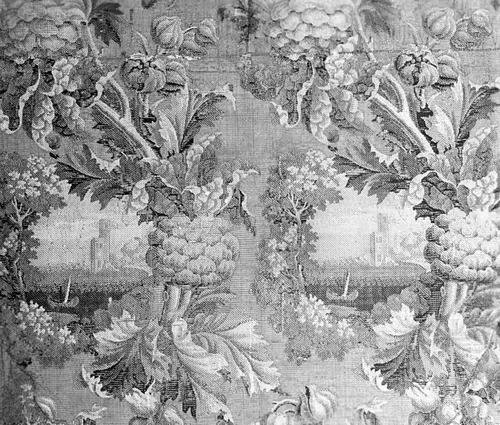
The surviving examples of 16th-century France prints and textiles solidified the republic’s reputation as the preeminent source for artistic luxury items entering the Baroque era. Today, the continued global accessibility of these designs, often available as high-quality prints, ensures that the early Modern artistic legacy of France remains foundational to the study of European decorative arts.
Source: Wikipedia · CC BY-SA 4.0