Flemish
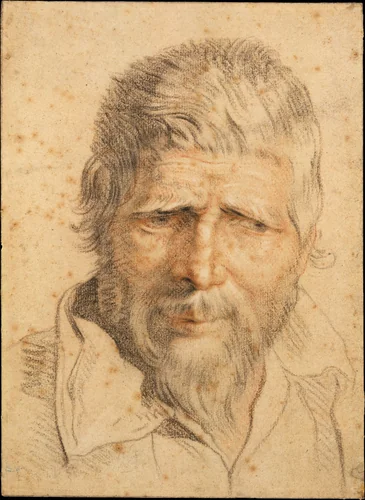
The term “Flemish,” referring to the region of Flanders, the Flemish Community, and the distinct dialects and people of what is now northern Belgium, identifies one of the most significant and enduring artistic traditions in European history. Active across a vast period, from the late medieval era (c. 1275) through the flourishing of the Baroque (c. 1636), the Flemish masters established unprecedented standards for detailed realism, technical innovation, and portraiture.
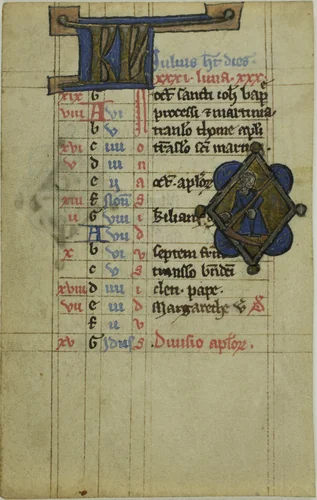
The evolution of the tradition is clearly demonstrated by the varied works maintained in major international holdings, including the Art Institute of Chicago and the Metropolitan Museum of Art. Early production centered on painstaking work in illuminated manuscripts, exemplified by pieces like Figure with Scythe, Illuminated Initials "KL" or "BV" recto, and Fish with Lobster Claws, verso, from a Psalter or Book of Hours. This mastery of miniature detail seamlessly translated into panel painting, particularly following the widespread adoption of oil mediums.
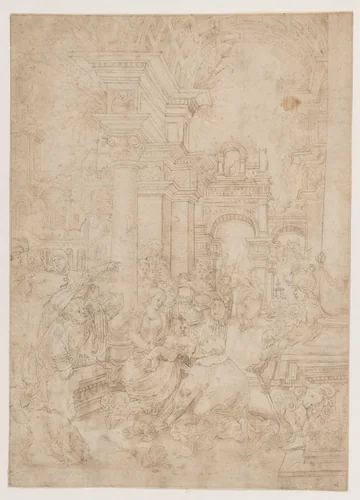
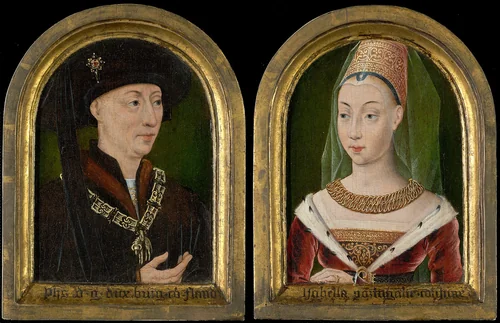
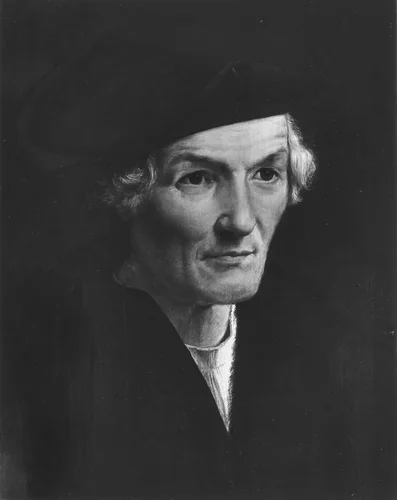
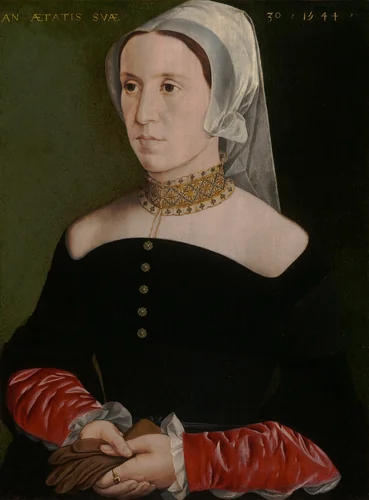
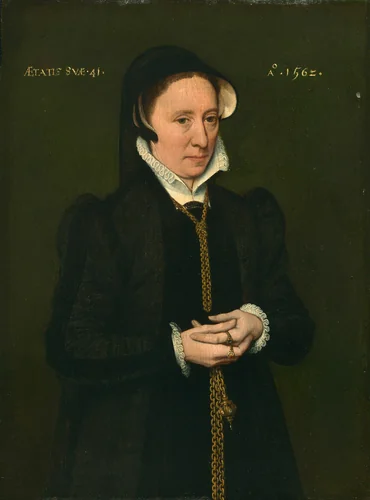
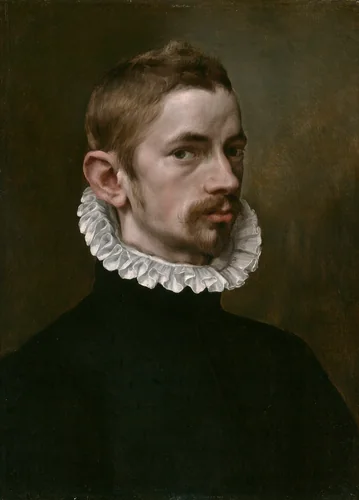
The Flemish School quickly became synonymous with meticulous observation and profound psychological insight, transforming works such as Adoration of the Magi from simple religious depictions into complex, highly realistic scenes. This technical rigor extended to commissioned portraits, which provided the ruling class and burgeoning merchant society with lasting visual legacies. Notable examples include the sober studies Portrait of a Man and Portrait of a Woman, alongside the historically crucial double portrait Philip the Good, Duke of Burgundy; Isabelle of Bourbon (?).
One of the most remarkable characteristics of the Flemish legacy is its sheer longevity. Few other regional traditions maintained such high artistic consistency while successfully navigating the enormous stylistic shifts between the 13th and 17th centuries.
Today, many of these influential Flemish paintings, drawings, and manuscripts are accessible worldwide. While select original items rest within museum-quality collections, a growing number of iconic images have entered the public domain, allowing enthusiasts access to royalty-free, downloadable artwork. The enduring popularity of high-quality prints ensures that the visual impact of the Flemish tradition remains undiminished.
Source: Wikipedia · CC BY-SA 4.0