Flanders
Flanders, often defined as the Dutch-speaking northern region and cultural heart of present-day Belgium, represents one of Europe’s most significant and enduring centers of artistic production between the mid-fifteenth and early eighteenth centuries (1467-1725). This distinct geography served as the origin point for the terms Fleming (demonym) and Flemish (adjective), the latter used to describe both the distinct language variants and, critically, the high-quality output of its workshops. The collective influence of Flemish artistry, particularly in the production of monumental textiles and detailed works on paper, profoundly shaped European decorative arts during this nearly three-century active period.
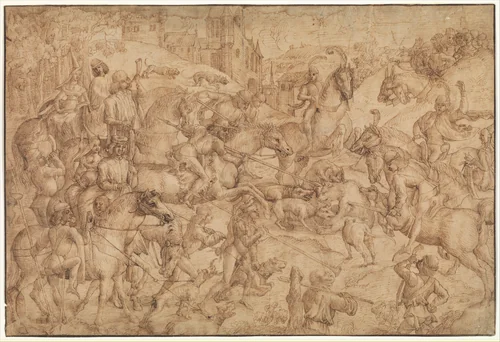
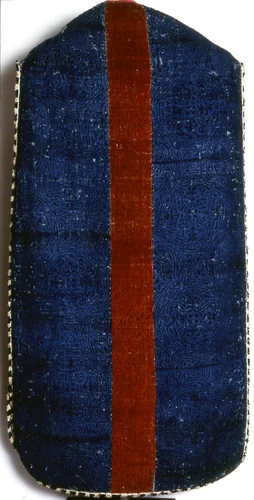
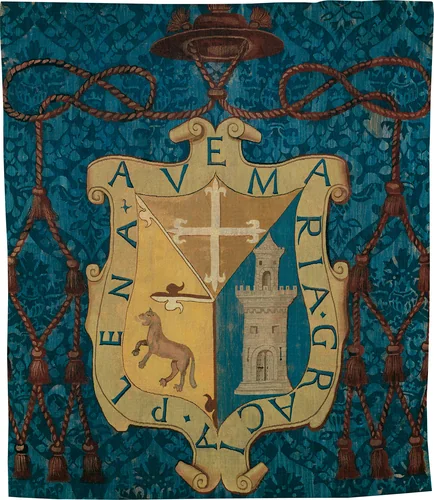
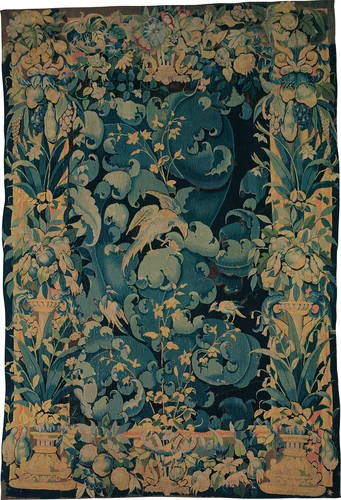
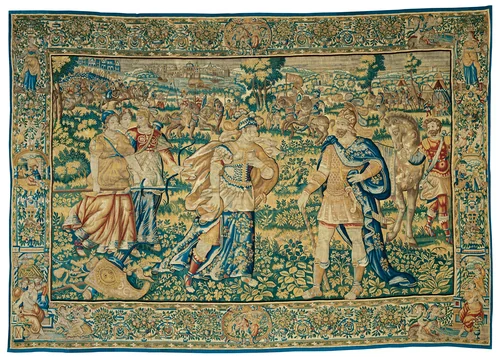
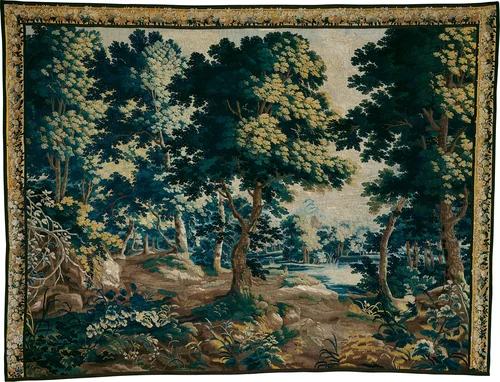
The most celebrated works originating from this region were magnificent, often narrative, textiles, reflecting an unparalleled technical mastery that secured major contracts from royal courts across the continent. Spanning this productive era, Flemish workshops produced complex verdure panels, such as Large Leaf Verdure with Birds, alongside deeply historical accounts. The ambition is clear in pieces like Alexander Encounters Thalestris, Queen of the Amazons, from The Story of Alexander the Great, which translates epic history into vast woven images. Furthermore, the region specialized in heraldic and ecclesiastical commissions, exemplified by the precision required in an Armorial with an Unidentified Coat of Arms or the regal detail found in a Chasuble Showing the Arms of France. Whether capturing the excitement of a Bear Hunt or the solemnity of state heraldry, the artistic definition of Flanders remains strikingly clear, even as its geopolitical definitions overlap with culture, language, and neighboring countries: a consistent standard of excellence.
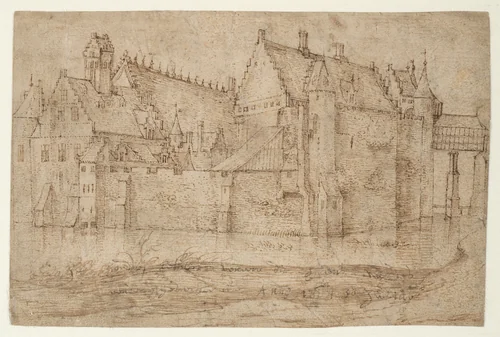
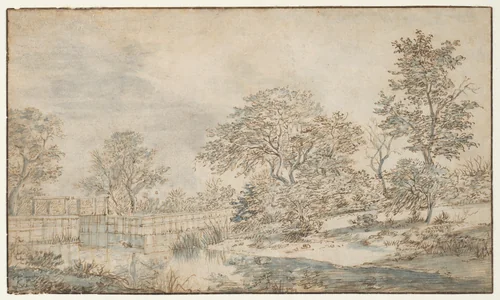
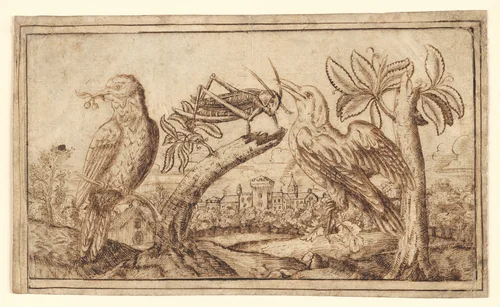
Beyond the large-scale textiles for which they are primarily known, the Flemish school maintained a vigorous tradition in drawing and related media, laying crucial preparatory groundwork for larger commissions. Today, the enduring significance of these works is reflected in their preservation within major international institutions, including the Metropolitan Museum of Art and the Art Institute of Chicago. For those studying art history, many detailed Flanders prints and related drawings are now frequently available through resources offering downloadable artwork, ensuring this extensive visual record remains accessible. The high-quality reproduction of these museum-quality holdings, sometimes offered royalty-free or as free art prints, continues to solidify the legacy of the Flemish workshops as a definitive benchmark in pre-modern European visual culture.
Source: Wikipedia · CC BY-SA 4.0