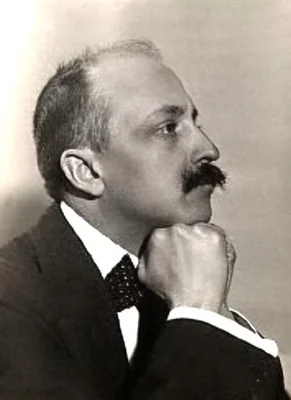
Filippo Tommaso Marinetti
Filippo Tommaso Marinetti (1876-1944) is the indispensable architect and foremost polemicist of Futurism, arguably the most aggressively ambitious and technologically obsessed art movement of the early twentieth century. Though trained as a poet, editor, and art theorist, Marinetti’s true genius resided in the manifesto. His career pivoted entirely on the publication of the foundational Manifesto of Futurism in 1909, an incendiary text that demanded the eradication of classical aesthetic values, while simultaneously celebrating speed, industrialized warfare, and the dynamic energy of the modern metropolis.
Before launching this revolutionary program, Marinetti spent time associated with the utopian and Symbolist artistic and literary community of Abbaye de Créteil between 1907 and 1908, a seemingly contrary beginning for the figure who would soon demand the fiery rejection of all tradition.
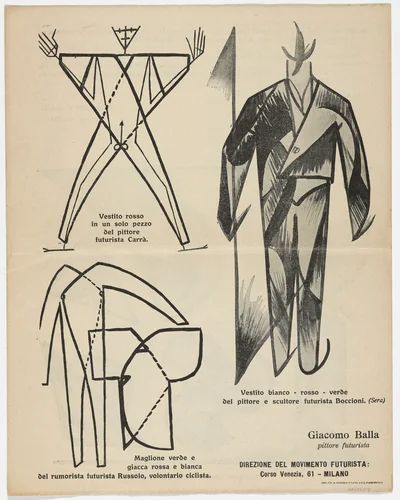
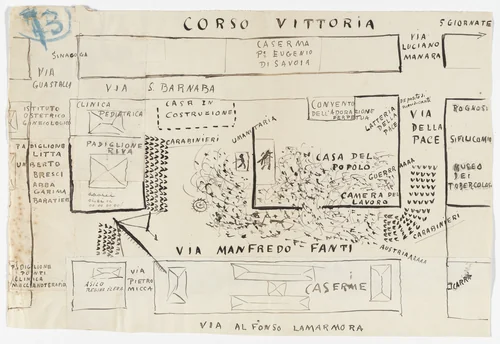
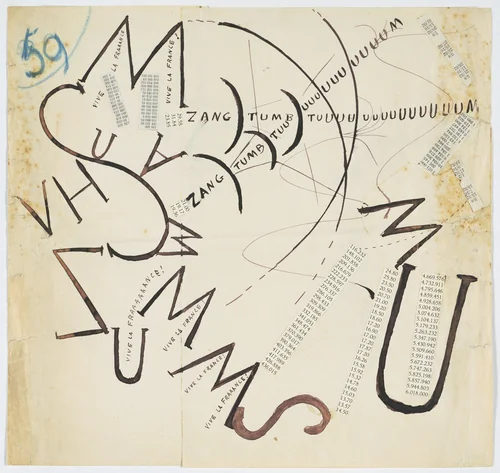
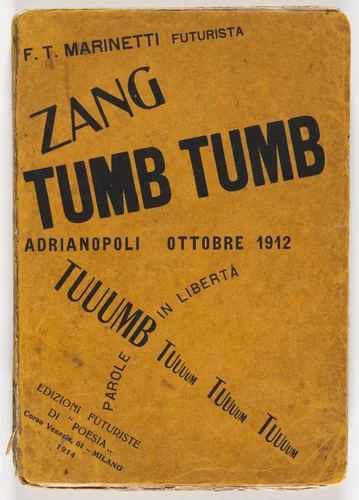
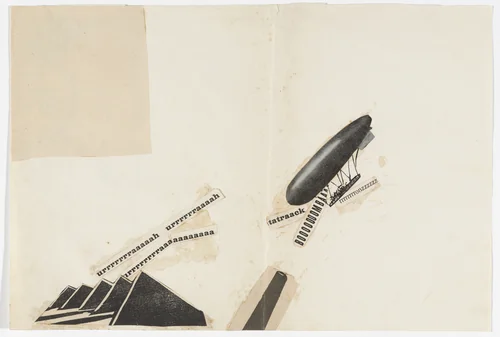
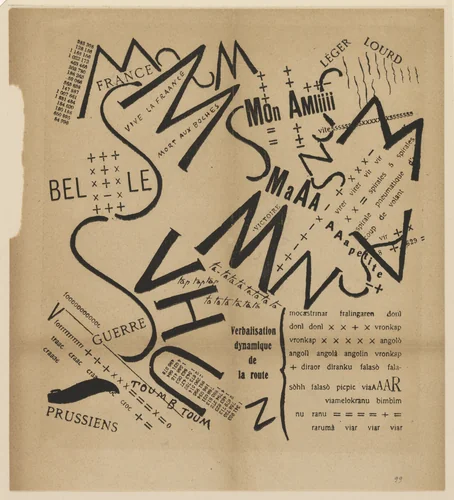
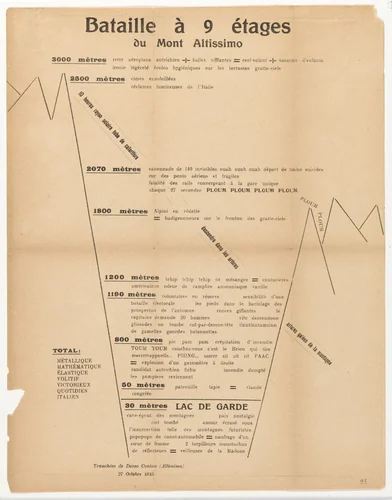
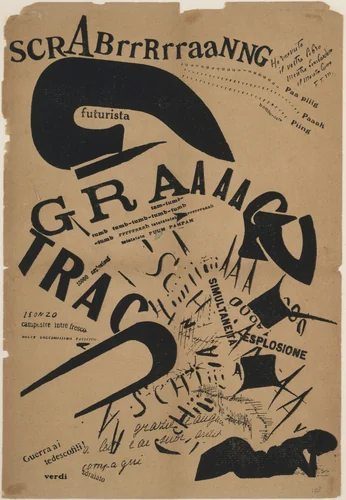
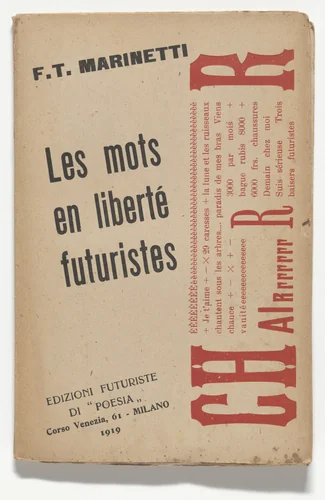
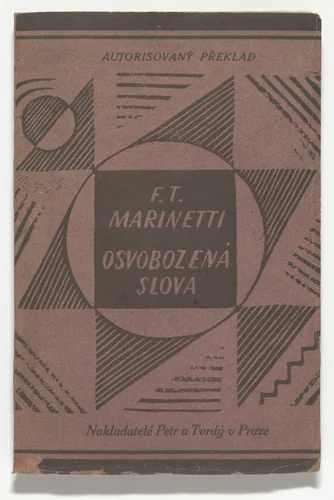
While the movement he launched quickly expanded into painting, sculpture, and architecture through the work of other artists, Marinetti’s personal artistic output focused heavily on graphic design, typographic experimentation, and illustrated books during the active period of 1914 to 1922. These works translated his literary ideal of "words-in-freedom" (parole in libertà) into radical visual compositions. Illustrated books such as the pivotal Zang Tumb Tumb: Adrianopoli Ottobre 1912: Parole in Libertà utilized chaotic, kinetic layouts, mixed fonts, and visual dissonance to capture the sound and chaos of mechanized modernity and warfare. Other significant graphic designs include the visual declaration Il Vestito Antineutrale. Manifesto Futurista, and representations of technological optimism such as The Dirigible.
Marinetti’s ability to merge political provocation with artistic innovation cemented his legacy. He famously co-authored the Fascist Manifesto in 1919, tying the youthful aggression of Futurism to the emerging political right. Despite the controversy surrounding his later political associations, his profound influence on typography and graphic communication remains undeniable, marking a critical transition point in modern design history. Recognizing the enduring significance of these early works, collections such as the Museum of Modern Art hold many of his experimental designs. Today, many Filippo Tommaso Marinetti prints and designs are available as high-quality prints through public domain initiatives, ensuring this foundational downloadable artwork remains accessible for contemporary study.
Source: Wikipedia · CC BY-SA 4.0