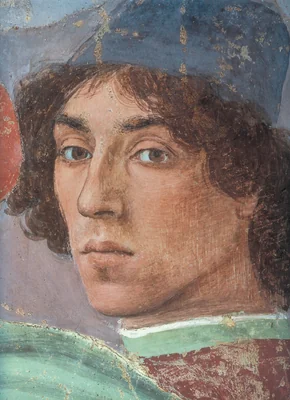
Filippino Lippi
Filippino Lippi (active c. 1457-1488) holds a crucial position in the history of Italian painting, functioning as a stylistic bridge between the refined linearity of the quattrocento and the burgeoning grandeur of the High Renaissance. Primarily associated with Florence, he operated during the final decades of its golden age, inheriting the considerable legacy of his renowned father, Fra Filippo Lippi. His artistic practice captures the intellectual and aesthetic evolution occurring in the city, merging the lyrical grace popularised by Sandro Botticelli with a robust, sometimes unsettling, naturalism that anticipated the sixteenth century.
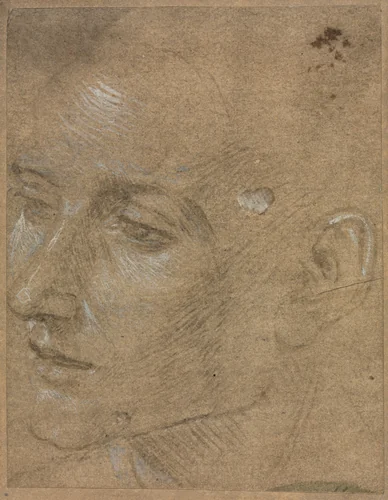
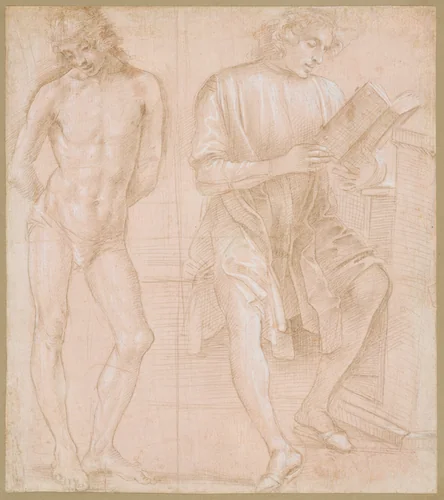
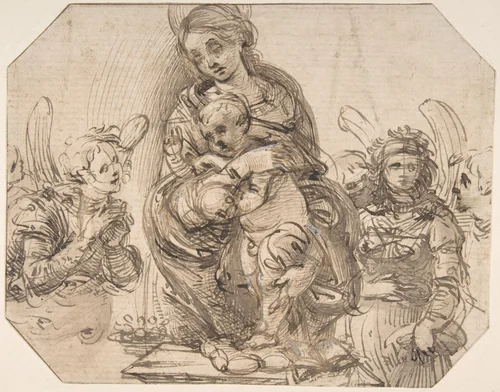
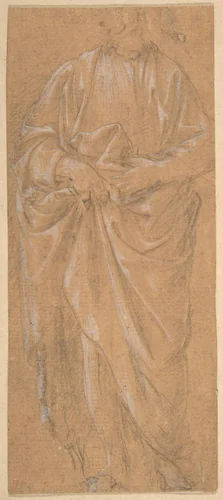
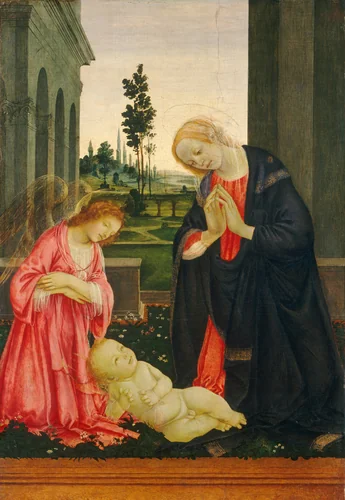
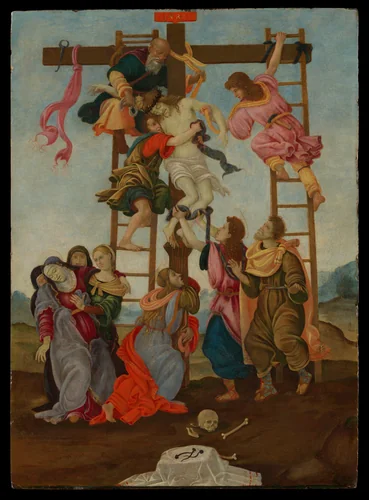
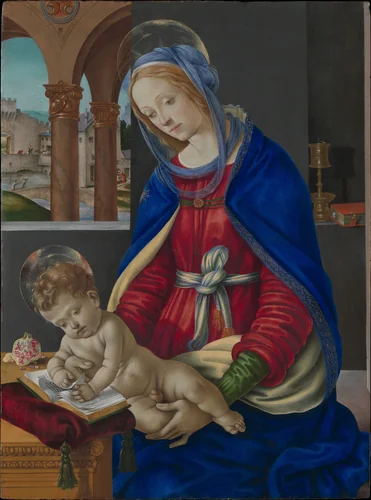
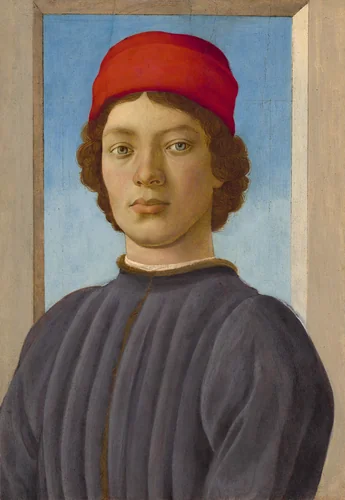
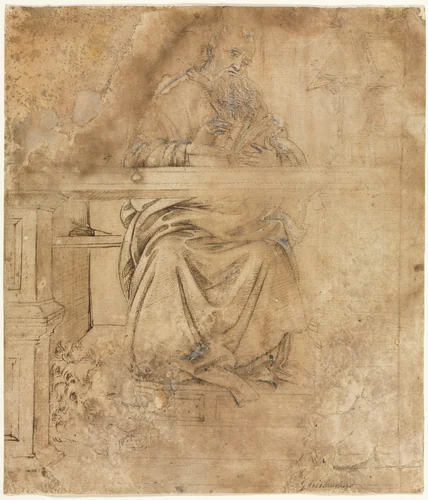
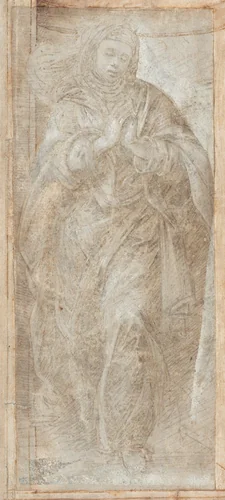
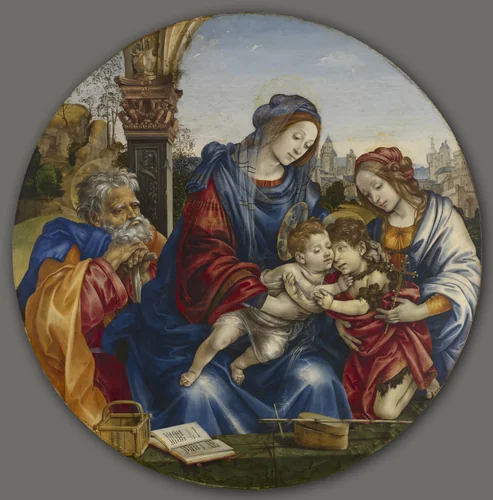
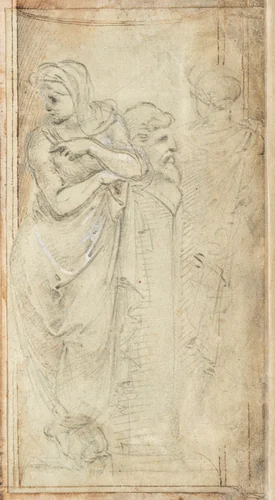
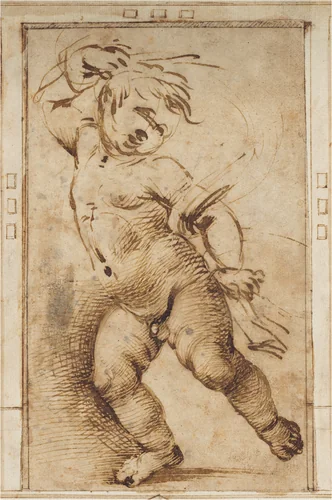
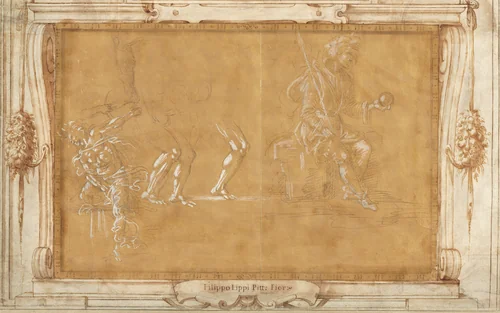
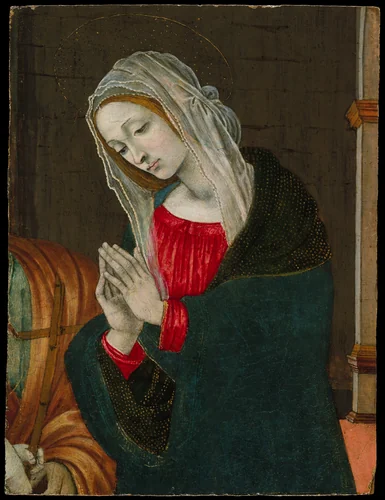
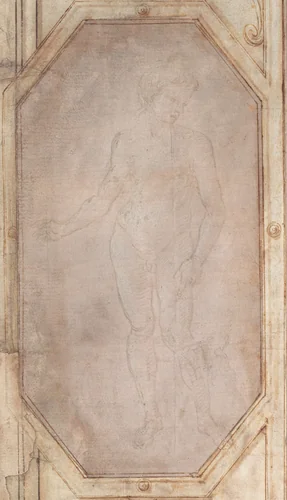
Lippi was a master of both fresco and panel painting, though the eight known drawings in this collection, such as the meticulous Standing Youth with Hands Behind His Back, attest to his fundamental reliance on preparatory studies. His remarkable facility in defining form and emotional character is evident in early pieces like Head of a Young Man and the intimate devotional panel, Virgin and Child Attended by Angels. While much of his career was rooted in Florentine patronage, his trajectory was geographically expansive, including commissions in the Milan area and Bologna. Critically, Lippi spent a foundational period in Rome beginning around 1488, a relocation that radically transformed his vision. His exposure to classical antiquity and the subterranean “grotesques” of newly excavated imperial ruins injected a dramatic restlessness into his later style, distinguishing him sharply from his Florentine peers.
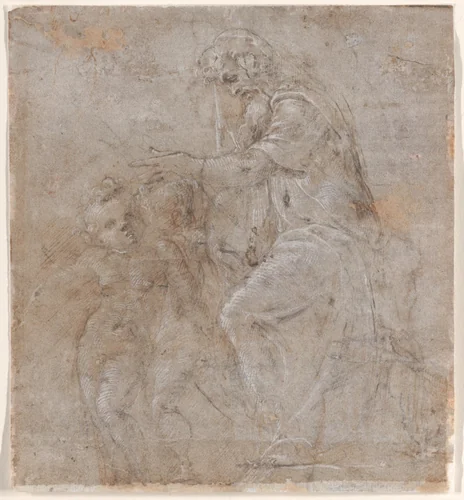
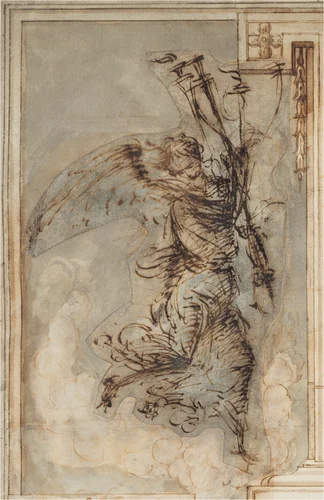
This restless experimentation and sophisticated technique earned him lasting status. His ability to render complex drapery and expression, visible in the study St. Joseph with the Christ Child and St. John the Baptist, ensures his works are highly sought after by institutions globally. Today, key Filippino Lippi paintings and drawings, including the studies that demonstrate his working method, are housed in prominent international collections, such as the Metropolitan Museum of Art, the National Gallery of Art, and the Cleveland Museum of Art. The accessibility of these important works means that high-quality prints and downloadable artwork derived from public domain sources allow students and enthusiasts worldwide to appreciate the subtlety of this essential, transitional master. His contribution remains an indispensable chapter in the culmination of the Florentine Renaissance.
Source: Wikipedia · CC BY-SA 4.0