Fidelia Bridges
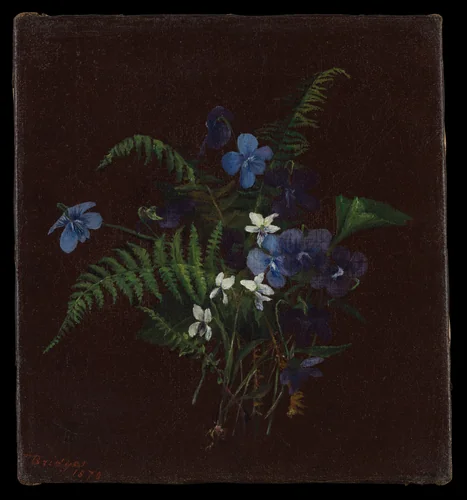
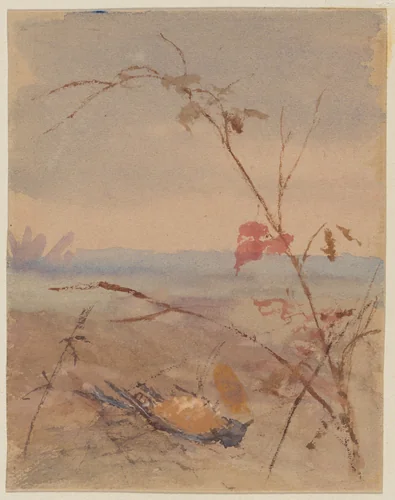
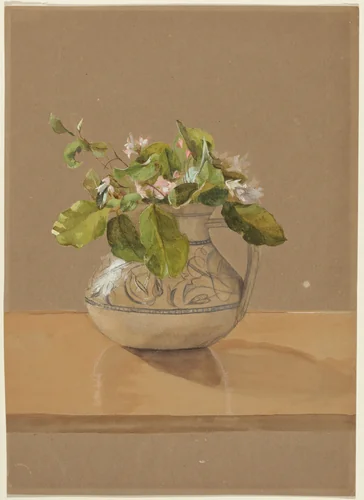
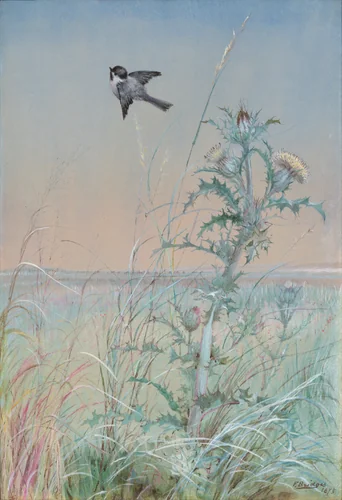
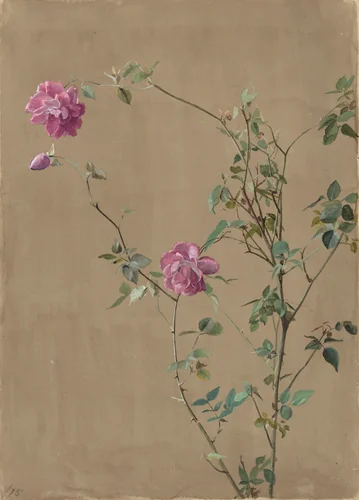
Fidelia Bridges established herself as a pivotal figure in 19th-century American art, renowned for elevating the intimate study of nature through the medium of watercolor. Her detailed observations of flora, fauna, and the subtle shifts of the natural world placed her at the forefront of a realist movement that emphasized fidelity over drama. Bridges’s active period, particularly between 1862 and 1875, was crucial in defining the trajectory of American naturalism.
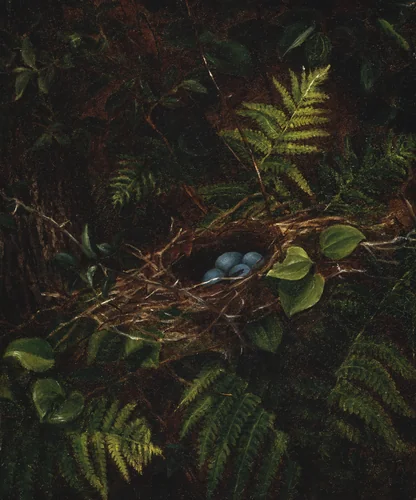
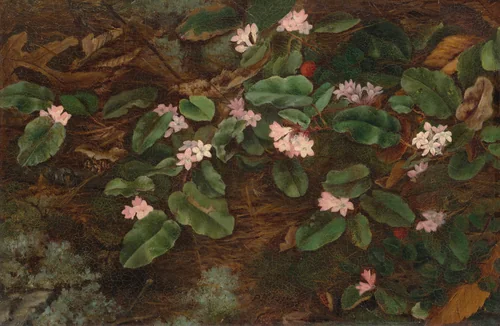
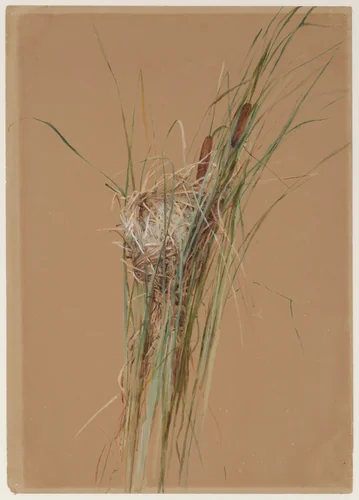
Initially trained in oils, Bridges quickly pivoted to watercolor, where she achieved distinction and undeniable technical mastery. This command earned her a singular, pioneering position as the only woman among the initial seven members of the influential American Watercolor Society. Her specialization signaled a shift in artistic preference, moving from the sweeping grandiosity of the sublime to the meticulous precision required to render a miniature ecosystem. Bridges utilized a delicate yet firm line, ensuring that works such as Bird's Nest and Ferns and Trailing Arbutus conveyed both the fragility and structure inherent in their subjects.
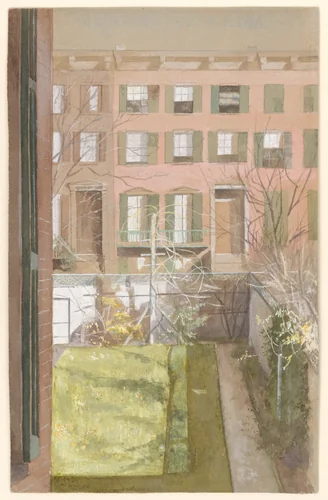
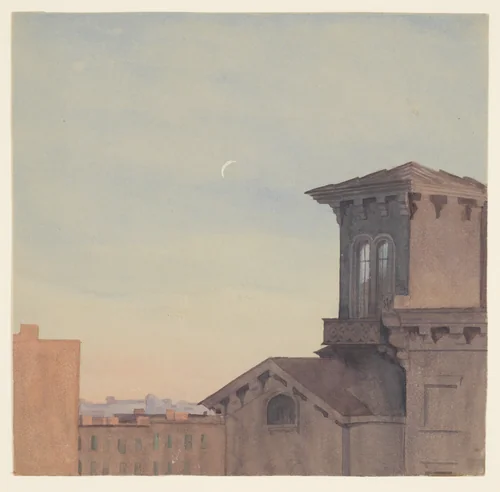
While primarily known for idyllic nature scenes, she did not restrict her focus solely to the rural. Bridges also documented intimate urban observations, evidenced by precise compositions like Garden View, Brooklyn and the structural study Rooftops, Brooklyn. Her compositions resonated deeply with the Victorian era’s growing appreciation for scientifically accurate yet emotionally accessible art.
Bridges was also a formidable commercial success, skillfully bridging the gap between high artistic accomplishment and market viability. Her meticulously rendered compositions were highly sought after, utilized not only for domestic display but also widely published as book plates, magazine illustrations, and even greeting cards. She turned what was frequently considered a genteel amateur pursuit into a highly successful, specialized business. It is perhaps the highest compliment to her skill that an art form historically relegated to the parlor could sustain such a formidable professional career.
Her works continue to be essential resources for studying American realism and the rise of watercolor as a major medium. Today, the enduring quality of Fidelia Bridges paintings is affirmed by their inclusion in major American institutions, including the National Gallery of Art, the Metropolitan Museum of Art, and the Art Institute of Chicago. The proliferation of downloadable artwork and free art prints of her historical pieces ensures the lasting accessibility of her significant contributions to American art history.
Source: Wikipedia · CC BY-SA 4.0