Fès
Fès, a city historically renowned as the spiritual and cultural capital of Morocco, possesses an artistic and intellectual legacy commensurate with its monumental status. Situated in the valley of the Fez River, northwest of the Atlas Mountains, the city has long operated as a major nexus of exchange, earning the ancient monikers, the "Mecca of the West" and the "Athens of Africa." The sustained vitality of Fès, home to over a million residents today, has fostered distinct traditions in the visual and applied arts, especially in the production of textiles and domestic furnishings.
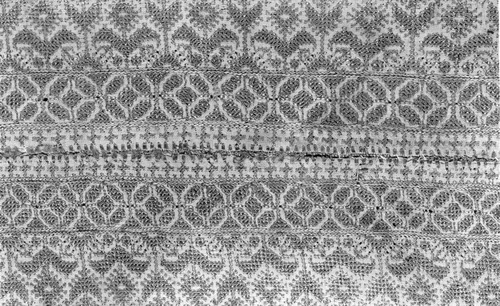
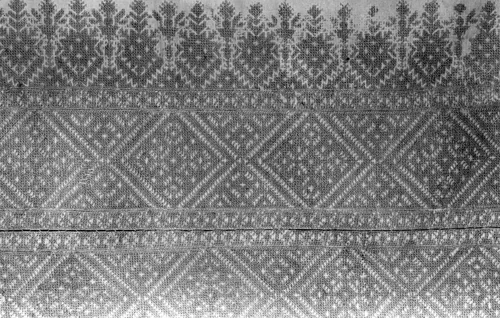
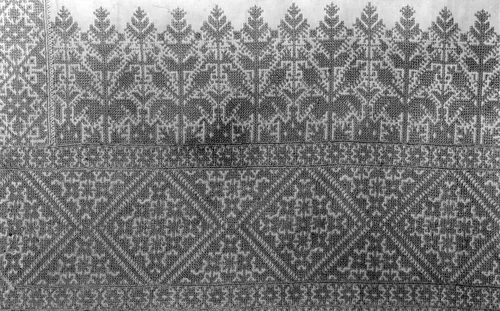
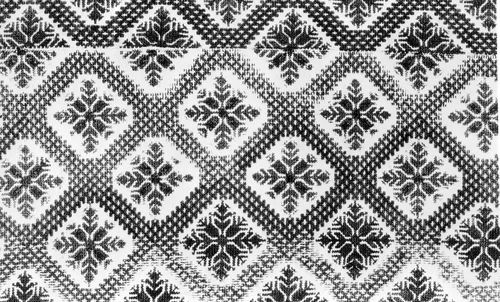
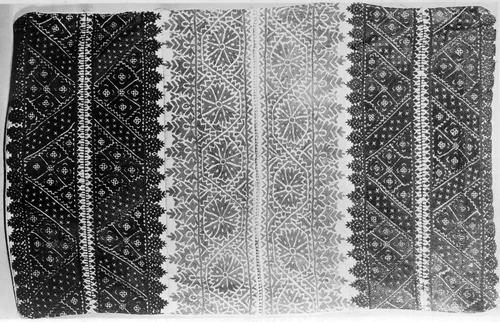
The surviving corpus of textile works associated with Fès provides crucial insight into the material culture and sophisticated craftsmanship of the region. Characterized by finely wrought geometric designs and subtle floral patterns, these artifacts often survive as functional, high-quality pieces, including specialized domestic items such as a Fragment (From a pillowcase) and a Fragment (Mattress Cover). The seven known examples residing in major institutions, notably the Art Institute of Chicago, reveal a complex local weaving industry that maintained high aesthetic standards for everyday objects. These pieces transcend mere utility, standing instead as important documents of regional style.
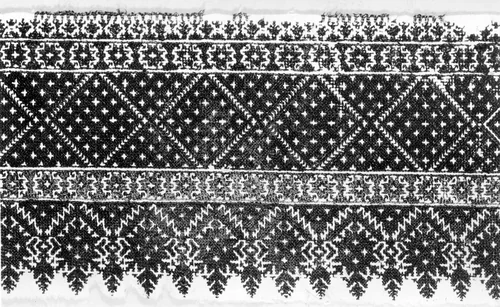
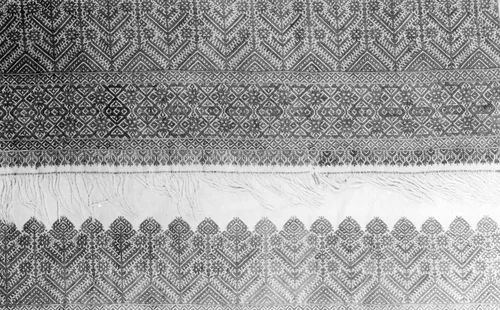
Unlike artistic production in many European centers, where individual master artists dominated the historical record, the textile legacy of Fès often features works whose specific creators remain anonymous. This anonymity, however, lends these artifacts a certain communal grandeur; they are powerful testaments to an enduring, shared craft tradition rather than tributes to singular genius. The dedication to detail seen in elements like a Fragment (Border) demonstrates why these are considered museum-quality examples of Moroccan textile art.
The enduring influence of these designs ensures that Fès’s contributions remain a focal point for study. The historical significance of the textiles ensures their preservation, and in the digital age, select images of this artistry are often found among public domain or royalty-free downloadable artwork collections, ensuring accessibility for researchers worldwide. Fès’s legacy is ultimately defined by this persistent aesthetic vigor, anchoring its place as a perennial center of culture and finely executed craft.
Source: Wikipedia · CC BY-SA 4.0