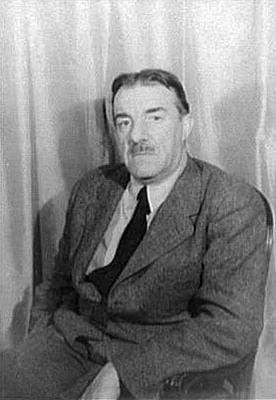
Fernand Léger
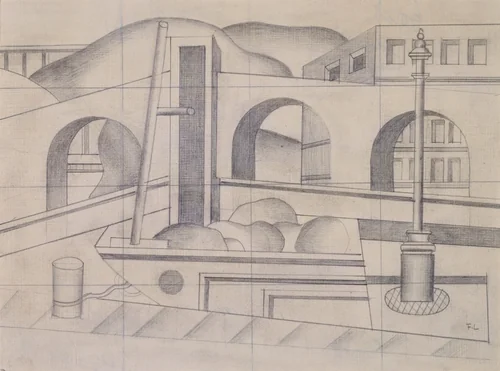
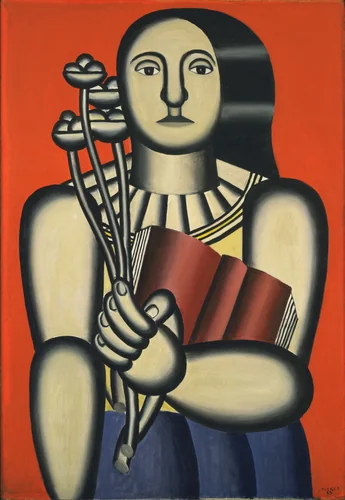
Joseph Fernand Henri Léger (1881-1955) was a seminal figure in 20th-century French Modernism, recognized equally for his significant achievements as a painter, sculptor, and pioneering filmmaker. Active during the highly experimental period beginning in 1907, Léger’s career commenced with a deep engagement in Cubism. This early phase, exemplified by works such as Kneeling Nude and the geometrically organized Bridge, established a distinctly personal variation of the movement, favoring bold simplification and a robust, almost industrial composition over the fragmented complexities favored by his peers.
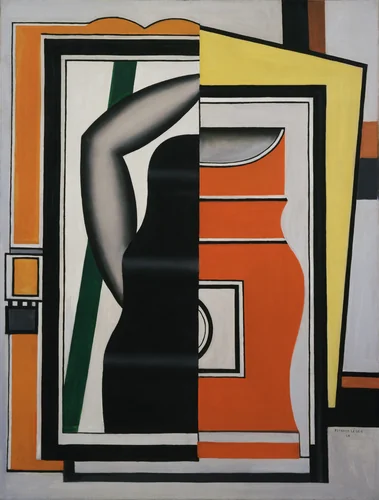
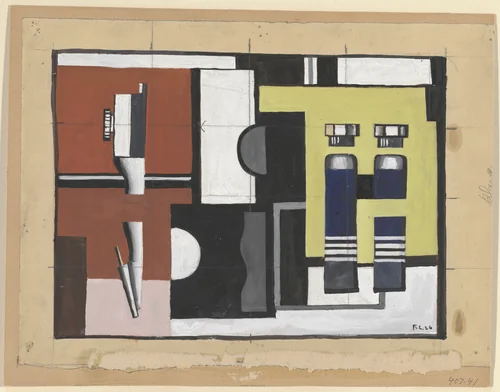
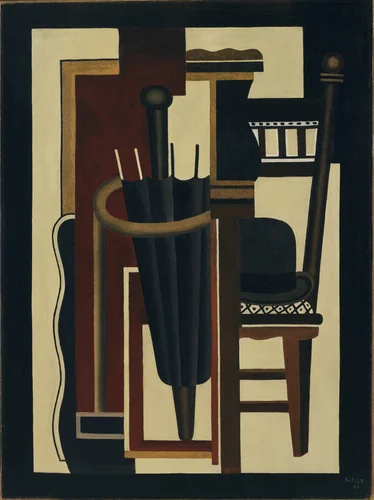
Léger rapidly moved beyond the analytical rigor of early Cubism, developing an increasingly volumetric and mechanistic aesthetic sometimes referred to as 'Tubism,' due to his reliance on cylindrical and conical forms. This evolution reflected an intense engagement with the pace and subject matter of the machine age. He treated modern urban life with simplified, monumental forms that celebrated industry and efficiency. His canvases, particularly the powerful Contrast of Forms series, moved decisively toward a more legible, figurative, and intentionally populist style. He envisioned an aesthetic democracy, seeking art that was universally accessible and integrated the high arts with the visual rhythms of the factory floor.
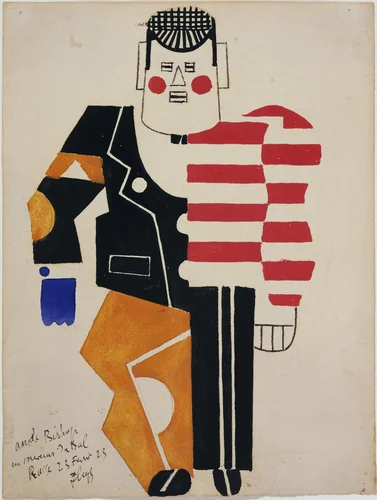
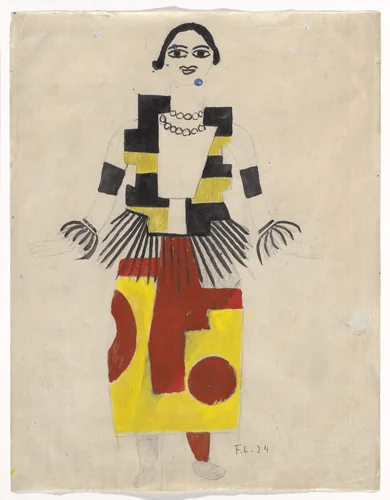
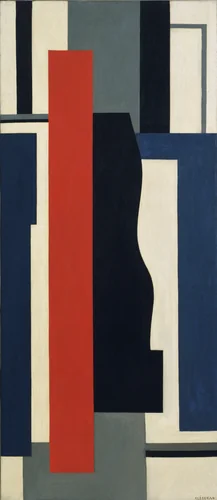
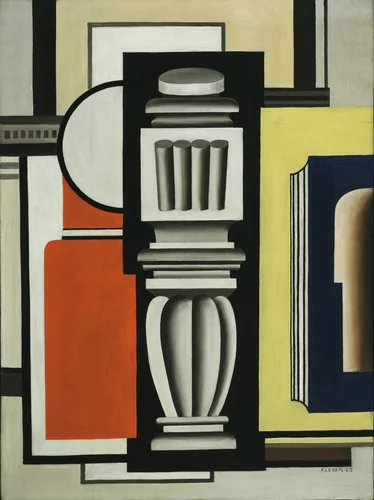
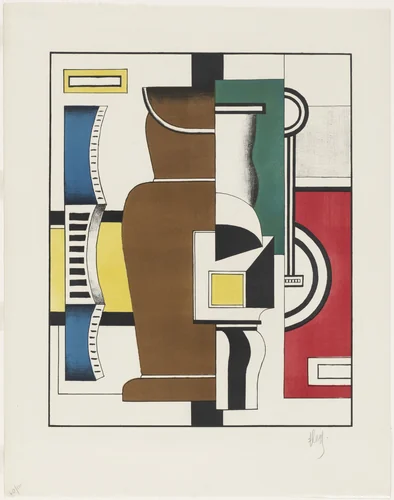
This embrace of mechanical clarity and popular motifs led to his crucial historical role as a forerunner of Pop Art decades later. Léger’s ability to depict modern life using a reduced, primary color palette and heavy black contour lines proved immensely influential on architecture and graphic design. His prolific output extended beyond painting to encompass six illustrated books and numerous drawings, ensuring his aesthetic principles permeated various media. Today, many influential Fernand Léger paintings and works, now in the public domain, are frequently sought after as high-quality prints, testament to their enduring visual power.
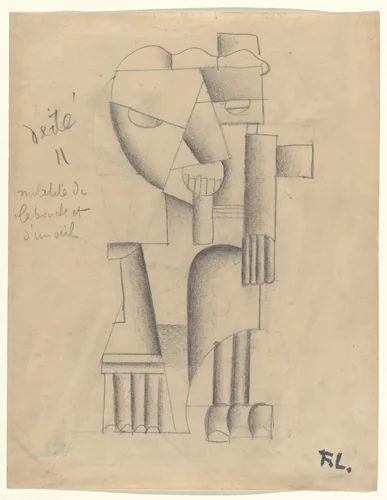
Despite the highly organized and often geometrically abstract nature of his mechanical imagery, Léger retained a persistent, almost affectionate interest in the human figure, as demonstrated by works like Seated Nude. This persistent humanist undercurrent, set against a backdrop of industrial grandeur, gives his oeuvre a unique warmth and accessibility. His key works are collected globally, notably residing in the permanent holdings of institutions such as the Museum of Modern Art, securing his position not merely as a master of Modernism, but as one of its most spirited and optimistic interpreters.
Source: Wikipedia · CC BY-SA 4.0