Fernand Khnopff
Fernand Edmond Jean Marie Khnopff was a foundational figure in Belgian Symbolism, establishing an artistic vocabulary rooted in psychological introspection and refined melancholy. Born in 1858, his foundational role in the avant-garde group Les XX (The Twenty), beginning in 1883, solidified his status as a key modernist innovator. Throughout his active period, roughly 1868 to 1905, Khnopff achieved significant international recognition, distinguished by paintings and high-quality prints that offered enigmatic studies of profound internal states.
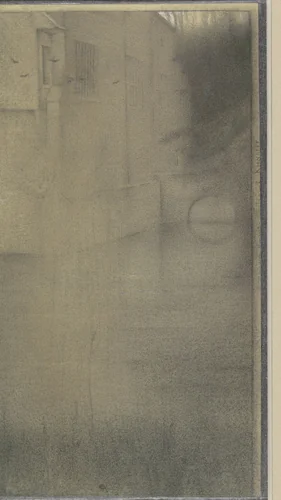
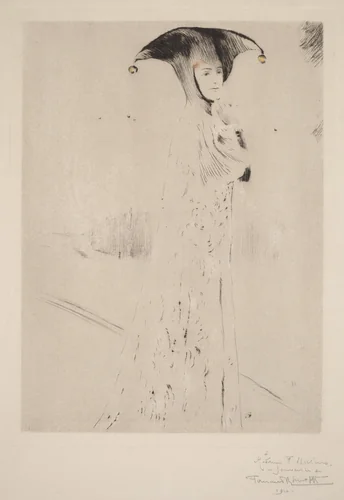
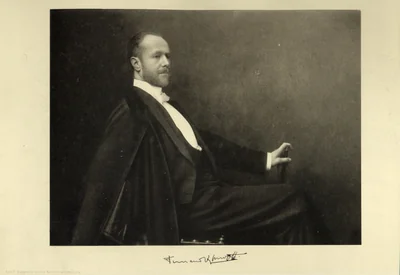
Khnopff’s output is characterized by a deliberate, almost chilling, silence, exploring the intricate dynamics of desire, isolation, and the complex duality embodied by the female subject. He frequently juxtaposed the austere purity of the angelic ideal with the seductive danger of the femme fatale, a theme central to the wider Symbolism movement. His compositions often employed rigorously constructed settings, sometimes architectural and sometimes purely psychological, as seen in works like Schim van een vrouw voor een huis omringd door water. His approach was remarkably precise, even fastidious; it is perhaps telling that Khnopff maintained the habit of working in an impeccable white suit, mirroring the detached precision evident in his finished artworks.
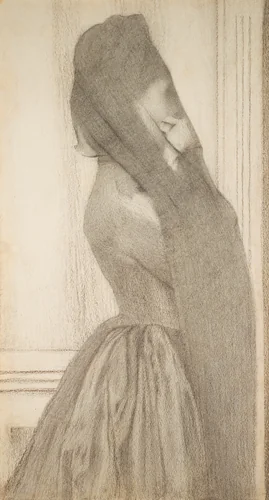
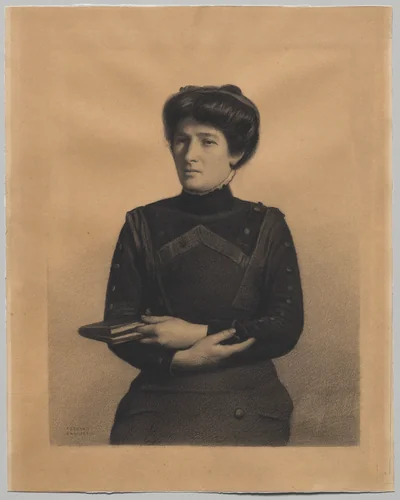
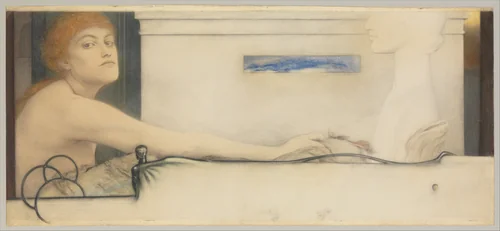
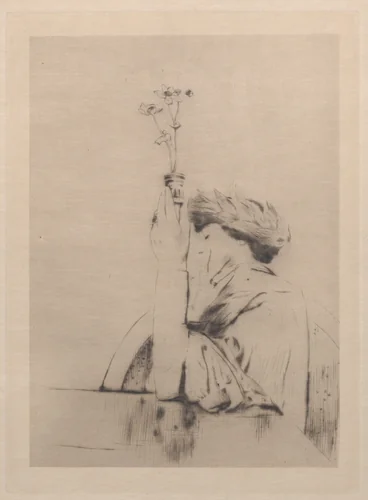
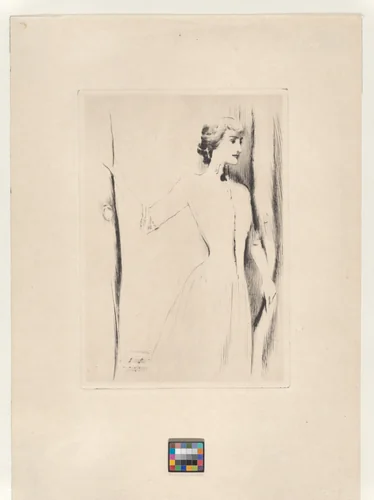
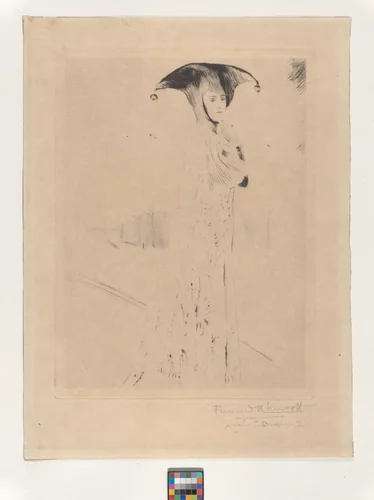
A recurring presence across Khnopff’s career was his sister, Marguerite, who served not merely as a model but as a silent muse embodying the idealized, often aloof, archetype central to his vision. Works such as Portrait of Madame Jules Ricard, née Augustine Bulteau exemplify his mastery of delicate portraiture, merging photographic accuracy with symbolic suggestion. Although he worked across drawing, painting (like The Offering), and etching (such as The Veil), his restrained palette and smooth execution ensured a consistently museum-quality finish. Today, many of these seminal Fernand Khnopff paintings and prints are widely accessible as downloadable artwork, having entered the public domain.
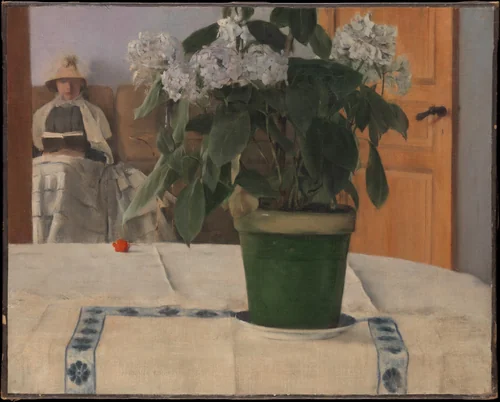
Khnopff’s legacy endures through his subtle yet powerful contribution to late nineteenth-century European art. His works, including the haunting Hortensia, are held in prestigious international institutions such as the Art Institute of Chicago, the National Gallery of Art, and the Cleveland Museum of Art, ensuring continued scholarly study of this masterful Symbolist.
Source: Wikipedia · CC BY-SA 4.0