Ferdinando Ongania
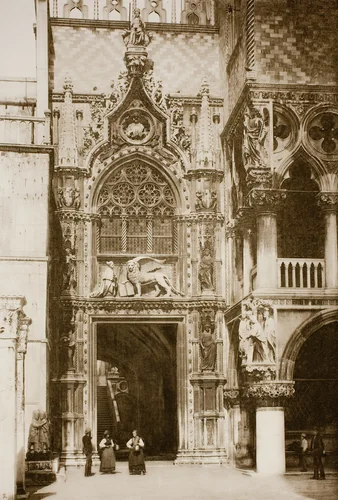
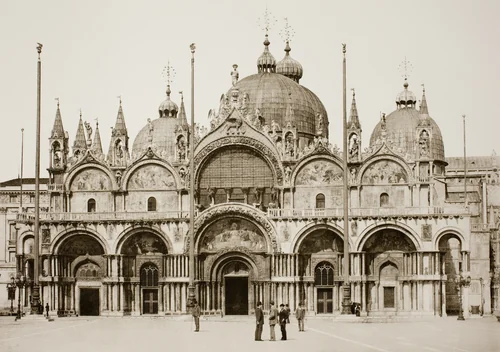
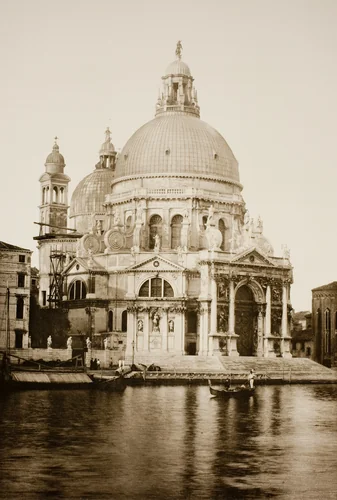
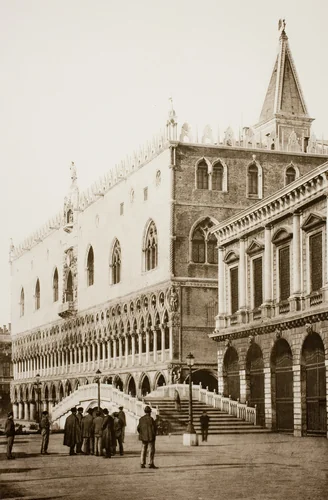
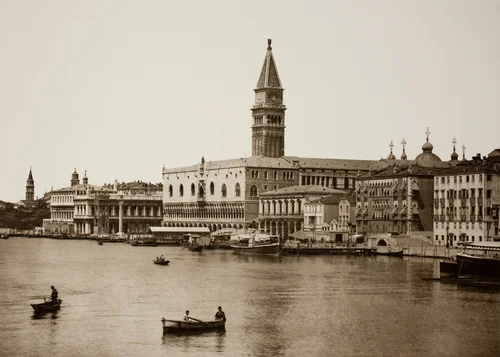
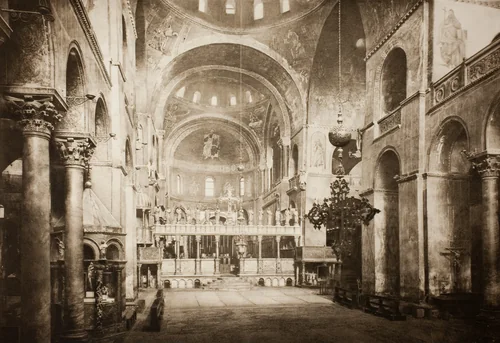
Ferdinando Ongania (active 1885) was a pivotal Venetian publisher and bookseller whose exacting standards redefined the reproduction of high art in the late nineteenth century. Operating from his influential antique shop and gallery directly on Piazza San Marco, Ongania cultivated an exclusive, international clientele seeking definitive works on the city’s complex history and rich visual culture. His firm’s most celebrated achievement remains the monumental scholarly work, La Basilica San Marco in Venezia, a defining documentation project of the period.
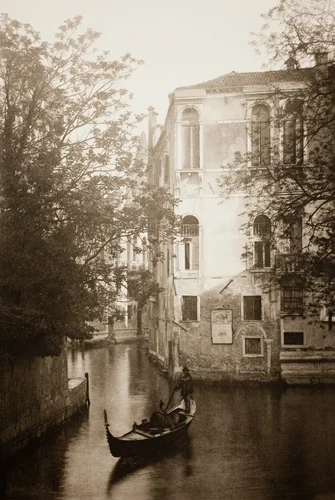
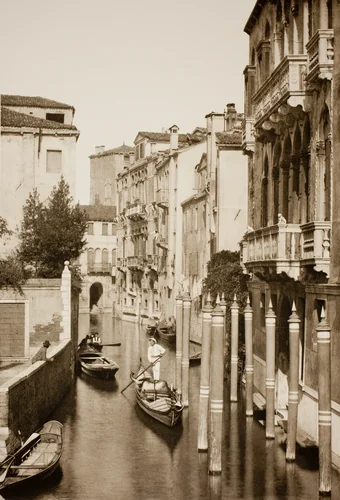
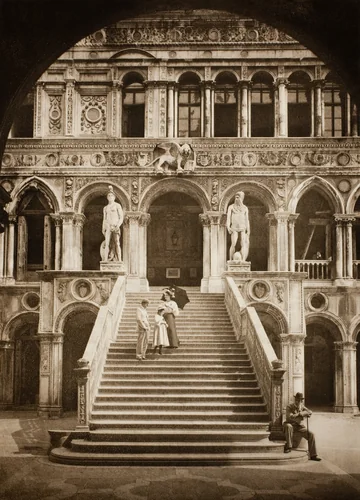
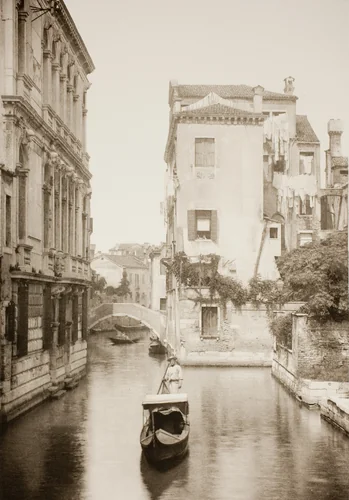
Ongania’s enduring historical significance stems from his commitment to embracing nascent photographic technology to achieve unparalleled accuracy in artistic reproduction. He was instrumental in utilizing innovations, notably the complex heliographic printing process, to create precise facsimile editions and meticulous high-quality prints of significant Venetian artworks. Unlike earlier reproduction methods, which often idealized or interpreted the subject matter, Ongania’s photographic process prioritized documentary fidelity and clarity. The resulting Ferdinando Ongania prints established a new benchmark for museum-quality visual documentation. He ultimately published more than 170 titles, predominantly focused on the architecture and masterworks of Venice, ensuring that these visual records were preserved and distributed globally.
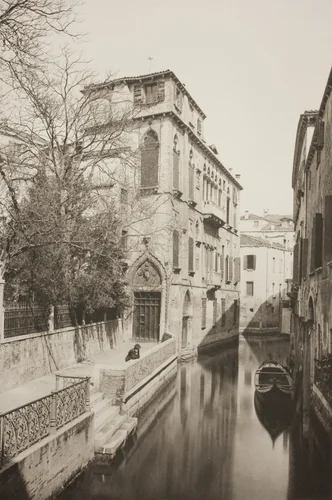
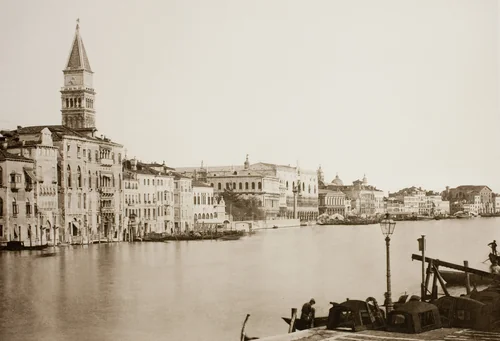
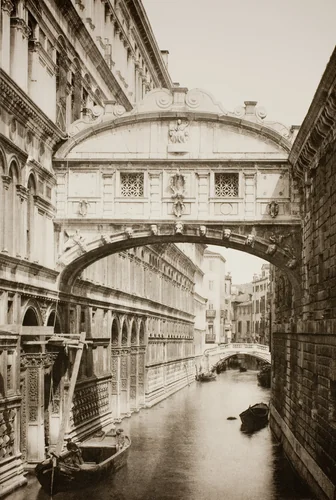
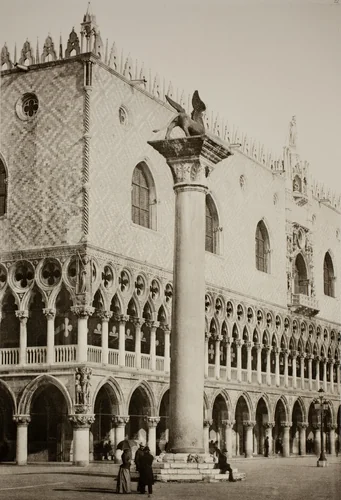
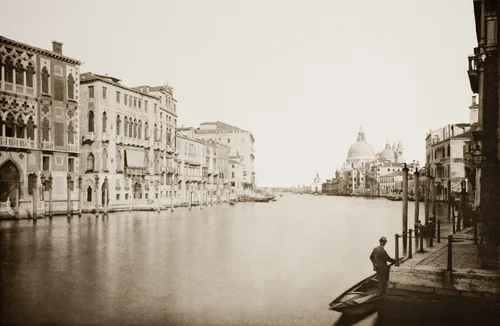
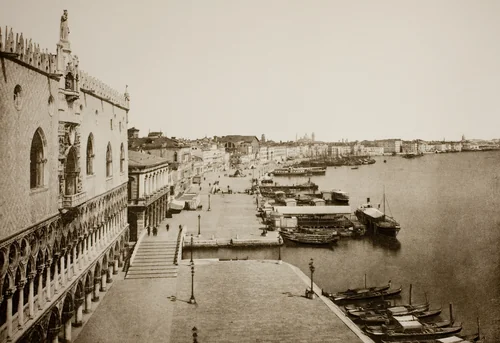
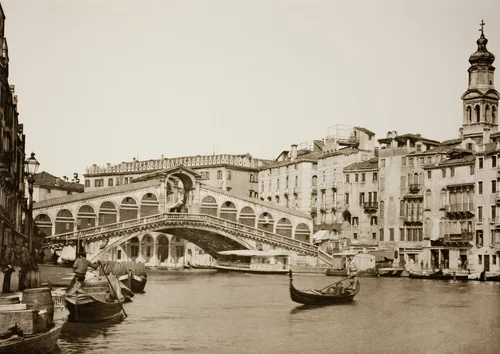
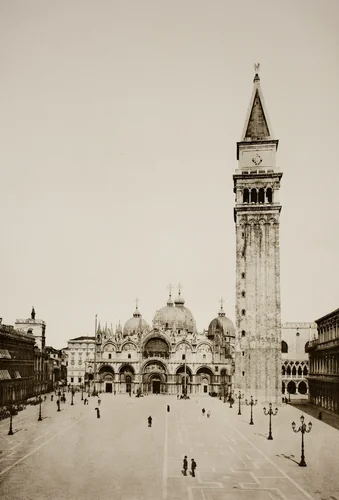
While the phrase Ferdinando Ongania paintings is historically inaccurate, his foundational role in bridging scholarship and technical photography is confirmed by the fifteen surviving photographs held in major institutional collections, including the Art Institute of Chicago. His commitment to clarity granted subsequent generations an unparalleled glimpse into the detailed appearance of Venice’s masterpieces before the ravages of the twentieth century. It is a slight irony that this pioneer of high-tech photomechanical reproduction conducted his business as an antiquarian at heart, selling these modern visual marvels alongside genuine historical artifacts in the ultimate high-low pairing of the period. Today, much of his exhaustive photographic documentation is widely available in the public domain, guaranteeing that his meticulous work continues to serve scholars and enthusiasts alike.
Source: Wikipedia · CC BY-SA 4.0