Ferdinand Olivier
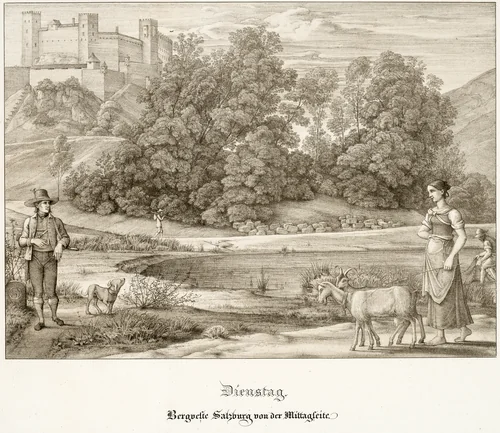
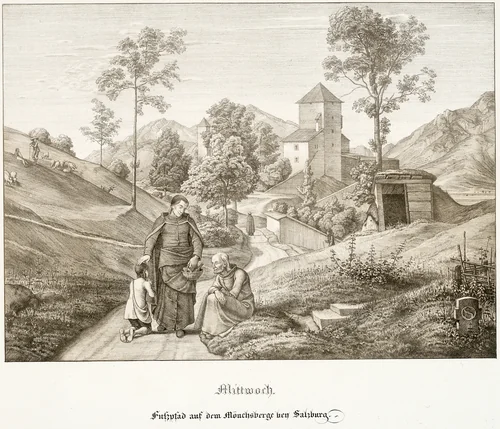
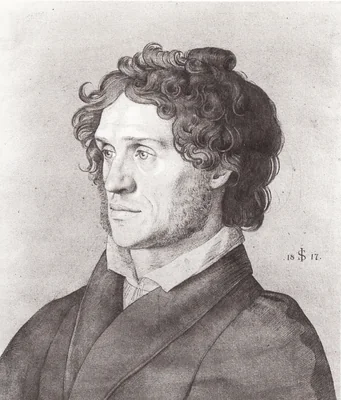
Johann Heinrich Ferdinand Olivier (1785-1841) was a pivotal German painter and printmaker whose work bridged the high classicism of the late 18th century and the spiritual intensity of Romanticism. He is primarily known for his association with the Nazarene movement, a brotherhood of German-speaking artists dedicated to reviving high standards of spirituality and craftsmanship through emulation of early Italian Renaissance masters like Raphael and Perugino. Unlike many of his Nazarene peers, who focused heavily on narrative biblical painting, Olivier frequently used meticulously rendered landscapes, particularly views of Salzburg and Berchtesgaden, as vehicles for profound theological and chronological structures.
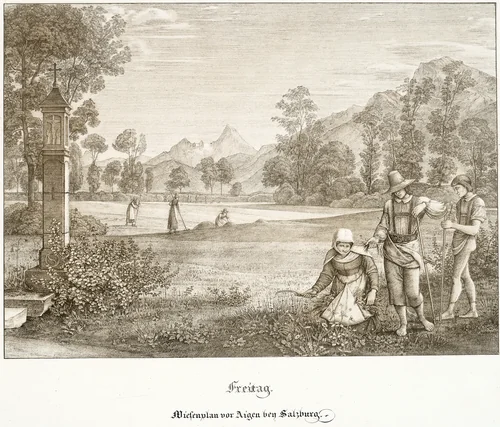
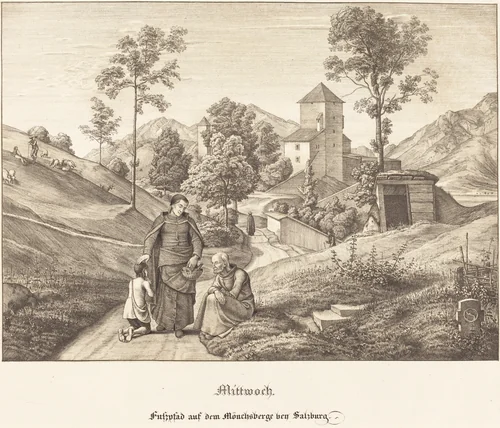
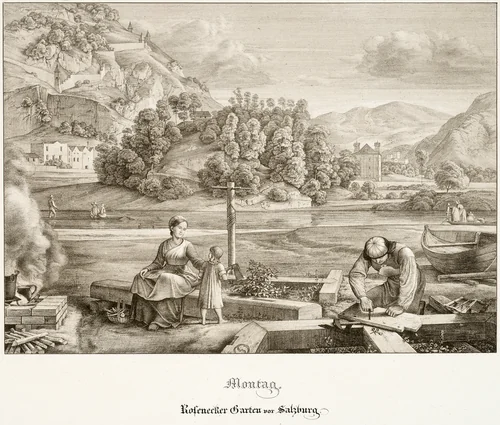
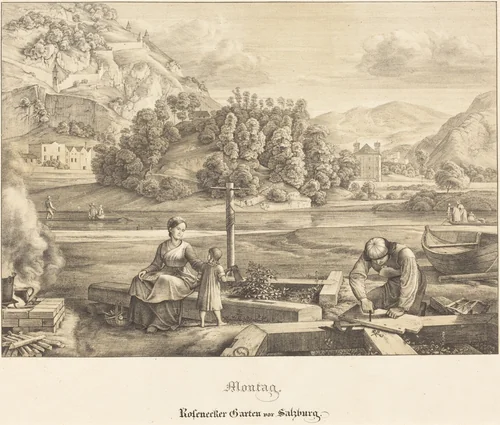
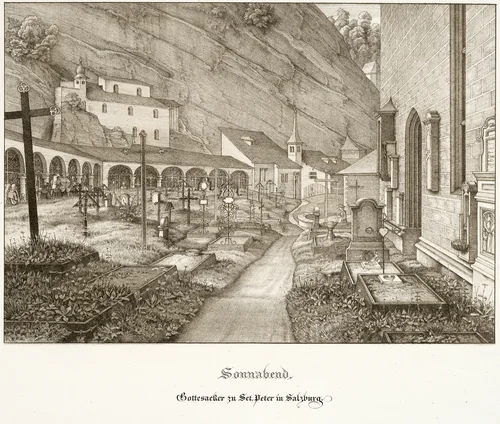
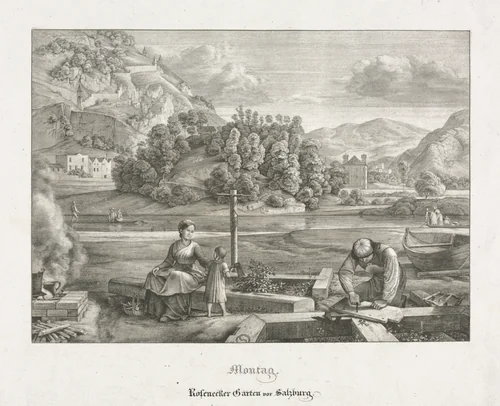
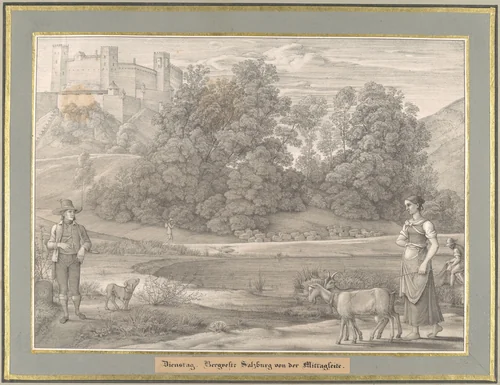
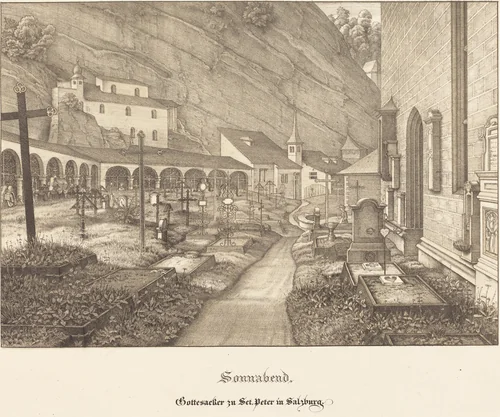
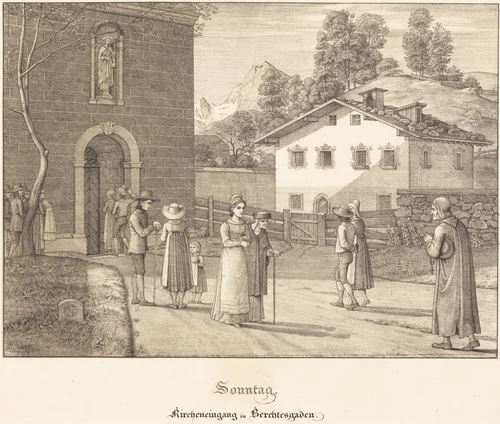
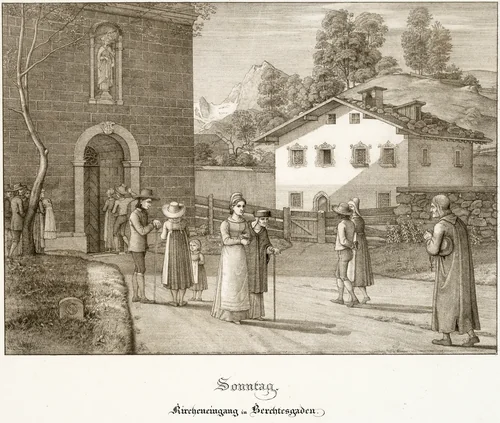
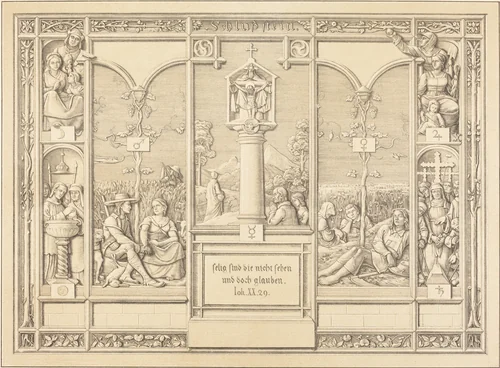
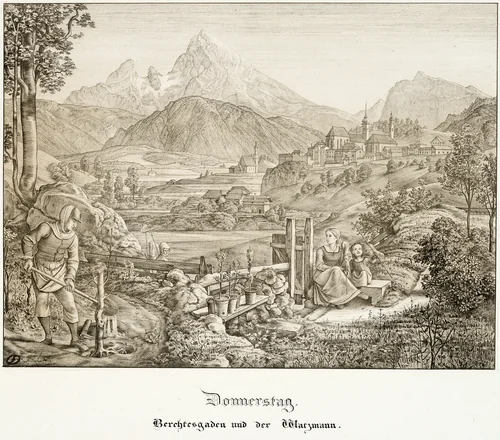
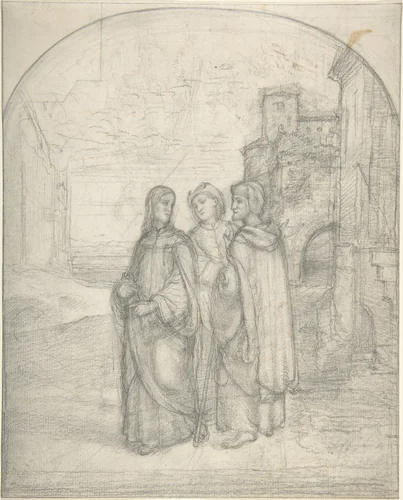
Olivier’s most celebrated achievement in printmaking is the series Sieben Gegenden aus Salzburg und Berchtesgaden Geordnet nach den sieben Tagen der Woche (Seven Places in Salzburg and Berchtesgaden, Arranged According to the Seven Days of the Week). Completed around 1823, this ambitious project transcended simple topographical documentation. Each print, such as Mittwoch or Sonnabend, presents a specific natural view that is tethered not only to a day of the week but also to a corresponding moment of creation or contemplation, connected by complex allegorical framing devices. The intellectual rigor required to maintain this complex schema, mapping landscape onto metaphysics, suggests that Olivier viewed geology and theology as interchangeable subjects, often requiring a serious mental roadmap for the casual observer. He also explored purely classical and scriptural themes, demonstrated by works like his drawing The Invention of the Art of Drawing (the daughter of Butades of Sicyon and her Lover) and the dedicated plate Capstone. John XX, 29.
Although historically cataloged primarily as a painter, Olivier’s enduring influence rests securely upon his high-quality prints and drawings. These works are well represented in major North American institutions, including the Metropolitan Museum of Art, the Cleveland Museum of Art, and the Art Institute of Chicago, a clear indicator of their museum-quality standing. Because much of his graphic work now falls into the public domain, the technical quality and philosophical ambition of the Ferdinand Olivier prints ensure that his contribution to the early 19th-century German visual canon remains significant, offering rich material for scholars seeking downloadable artwork of the period.
Source: Wikipedia · CC BY-SA 4.0