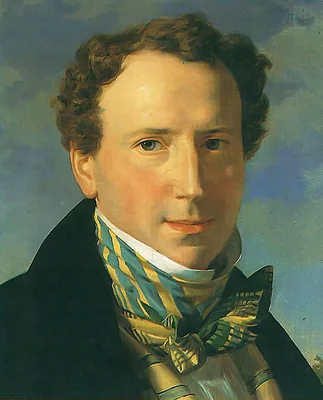
Ferdinand Georg Waldmüller
Ferdinand Georg Waldmüller (1793-1865) holds the distinguished position as the most important Austrian painter of the Biedermeier period. Active across the first half of the nineteenth century, his extensive output documents the cultural shift toward a refined, domestically focused realism characteristic of Vienna's rising middle class. His technical mastery, particularly his acute observation of light and texture, sets his works apart from his contemporaries.
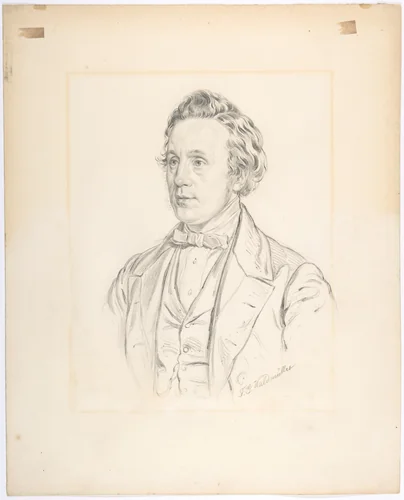
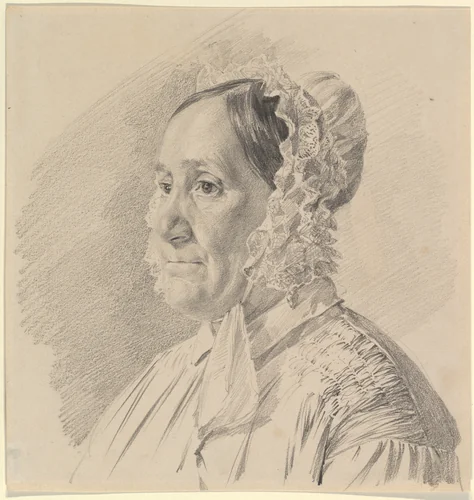
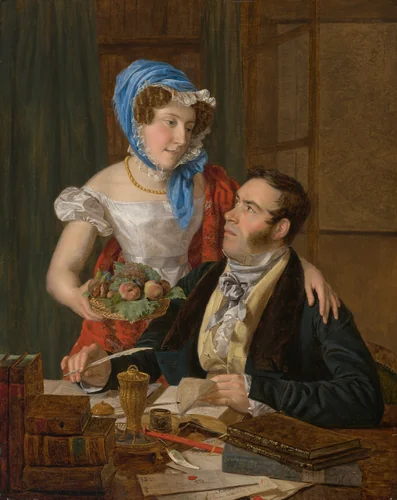
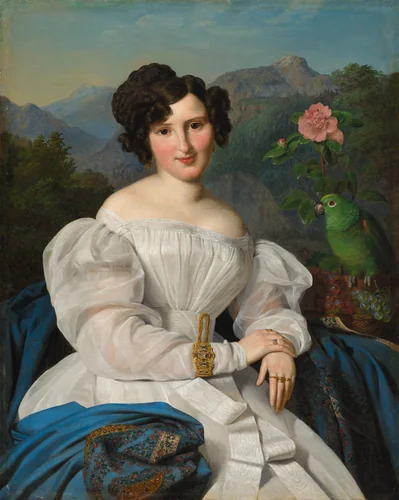
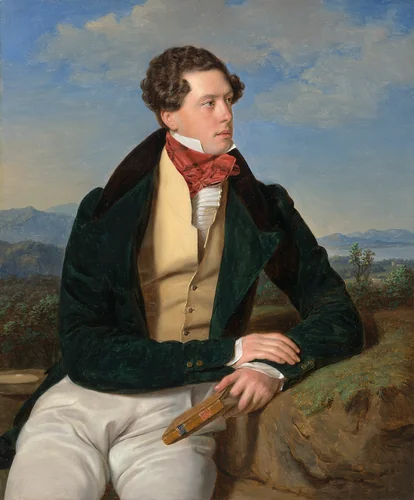
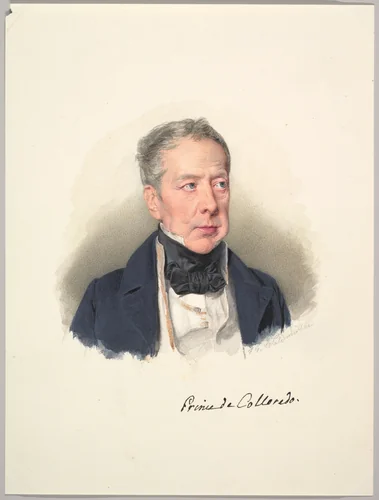
Waldmüller’s early career was dominated by portraiture, where his precise handling elevated mere likeness to penetrating character studies. He captured the subtle social dynamics of his sitters, whether in the intimate detail of Portrait of a Woman in a Lace Bonnet, executed in a classic three-quarter profile, or the formal, dual-focus study found in The Cartographer Professor Josef Jüttner and His Wife. His Ferdinand Georg Waldmüller paintings demonstrate an exacting methodology that lends palpable clarity to fabrics, skin tones, and environmental settings.
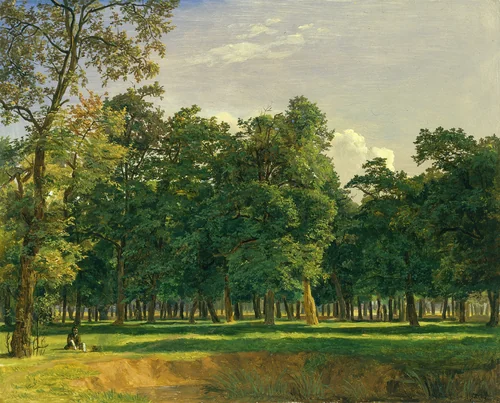
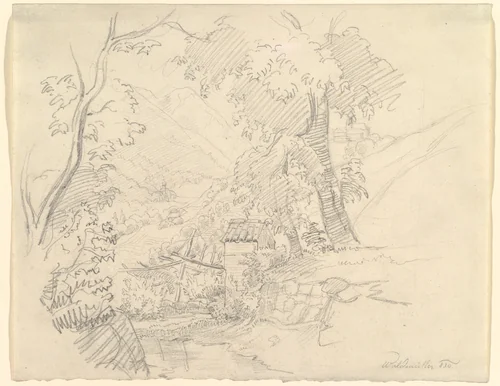
However, Waldmüller was not merely a meticulous recorder; he was also a reformer. Dissatisfied with the stifling conventions of academic instruction, he passionately advocated for the direct observation of nature, often working Plein air years before the movement became widespread. This commitment to light and atmosphere is perhaps best showcased in his landscapes, notably the evocative Prater Landscape, which captures the gentle movement and spaciousness of the famous Viennese park. This dedication to authentic observation often put him at odds with the established artistic authorities, a testament to his singular, uncompromising vision.
Today, the enduring appeal and museum-quality finish of his work are reflected in its permanent placement within major institutions internationally, including the Metropolitan Museum of Art, the National Gallery of Art, and the Art Institute of Chicago. As a significant portion of his oeuvre is now in the public domain, the demand for high-quality prints and downloadable artwork ensures that Waldmüller's detailed, radiant portraits and scenes continue to inspire audiences worldwide.
Source: Wikipedia · CC BY-SA 4.0