Félix Ziem
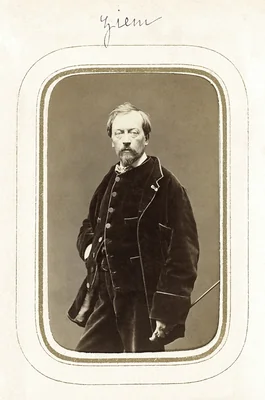
Félix Ziem (1801-1885) stands as a significant figure in 19th-century French painting, charting a course between two dominant aesthetic forces of his era. Identified principally as a member of the Barbizon School, his early work emphasized the atmospheric qualities of nature and light that characterized that movement. However, Ziem’s adventurous spirit quickly drew him far from Fontainebleau and the rural settings favored by his contemporaries. His extensive travels, particularly to the Mediterranean and the Near East, defined his primary contribution: a vibrant, often dazzling body of Orientalist work.
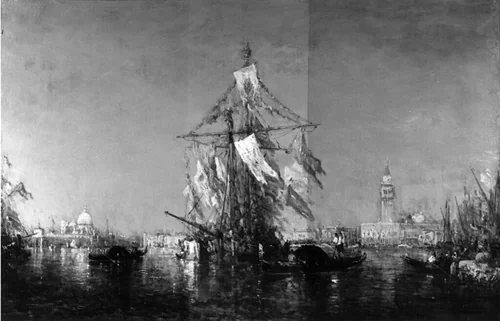
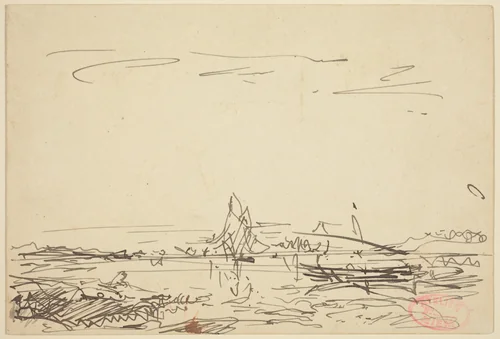
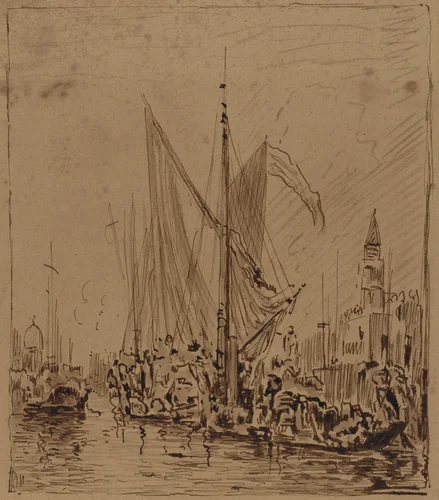
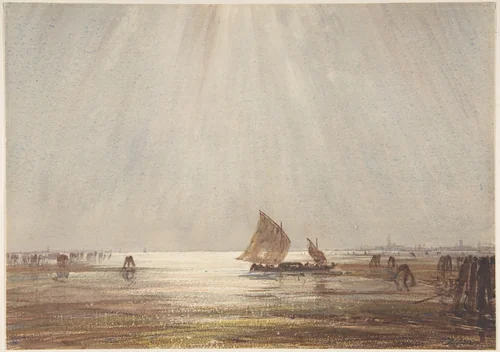
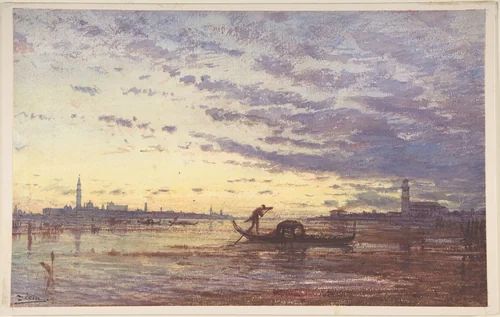
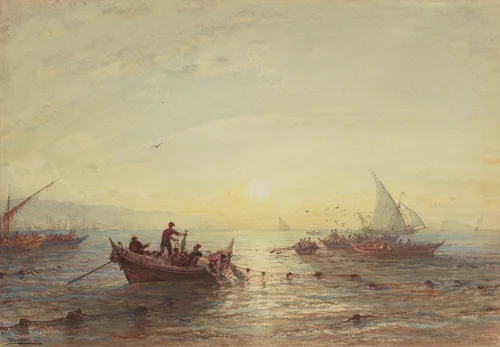
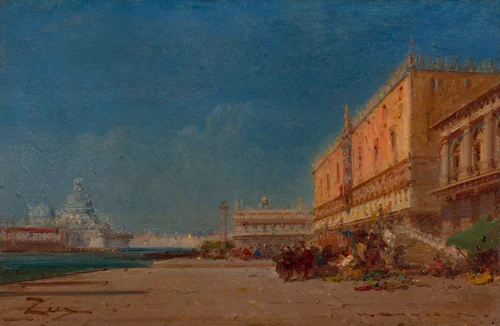
Ziem established an artistic residency in Venice, a city that became inextricably linked to his immense output. While earlier masters captured the precise architecture of Venice, Ziem specialized in capturing its mutable, ephemeral light and bustling human activity. Works such as Fête de Saint Marc, Venise and Boats and Gondolas before the Piazza San Marco demonstrate his remarkable mastery of color, employing impasto and rich, saturated hues that prefigure certain sensibilities of the later Impressionists. He possessed a unique talent for rendering the play of light across water, transforming commonplace harbor scenes, like A Cove with a Sailboat, into studies of luminosity.
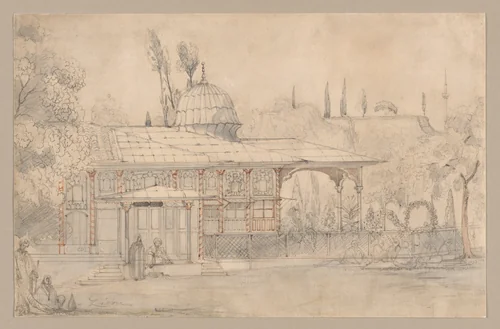
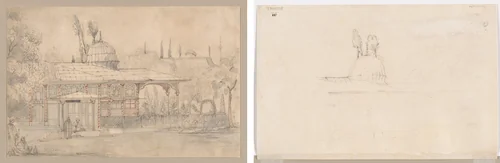
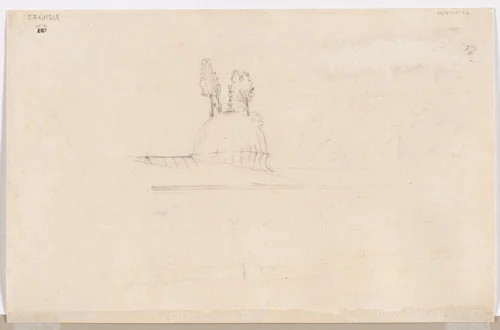
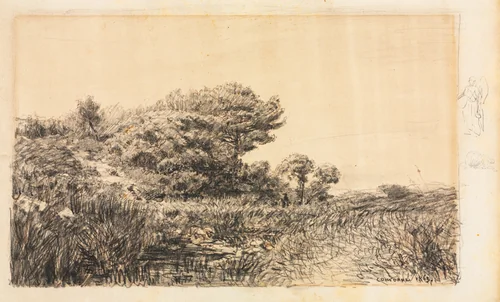
Beyond Italy, Ziem’s engagement with North Africa and the Levant yielded exotic and imaginative compositions. Drawings, including Pavilion Near a Mosque, reveal the speed and surety of his draftsmanship, often capturing a fleeting scene on the recto with a more focused study appearing on the verso. This approach speaks to his immense productivity; Ziem’s artistic output was so constant and dependable that some contemporaries observed his dedication to painting rivaled his passion for travel itself.
Ziem remains a central figure whose Félix Ziem paintings and drawings are held in major American institutions, including the Metropolitan Museum of Art, the Art Institute of Chicago, and the National Gallery of Art. Due to the high visibility and age of these works, many Ziem compositions are now in the public domain, allowing enthusiasts access to downloadable artwork. The technical quality demonstrated in his originals translates exceptionally well into high-quality prints, ensuring his dynamic visions of Venice and the Ottoman world remain readily accessible to a global audience.
Source: Wikipedia · CC BY-SA 4.0