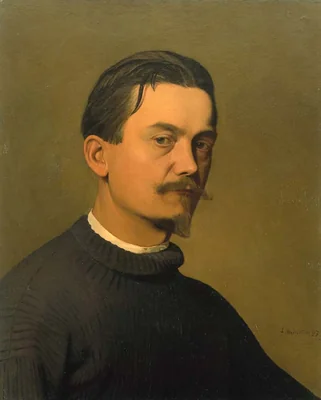
Félix Vallotton
Félix Édouard Vallotton (1865-1925) stands as a pivotal Swiss-French artist, fundamentally reshaping modern graphic arts through his mastery of the woodcut medium. A central, though often detached, figure among the post-Impressionist group known as Les Nabis, Vallotton operated primarily in Paris during the 1890s, driving a revival of printmaking that influenced generations of graphic artists.
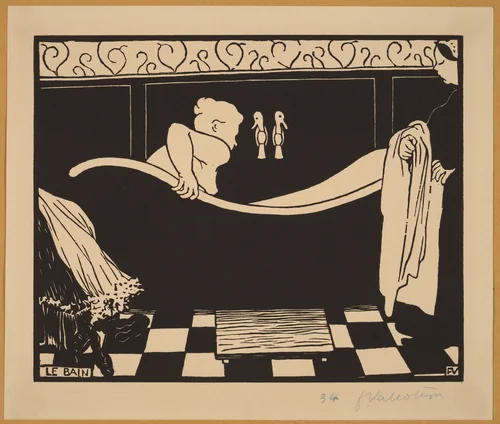
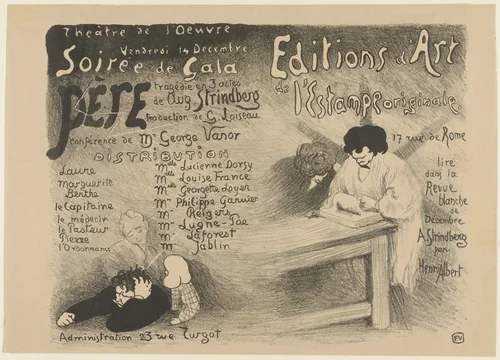
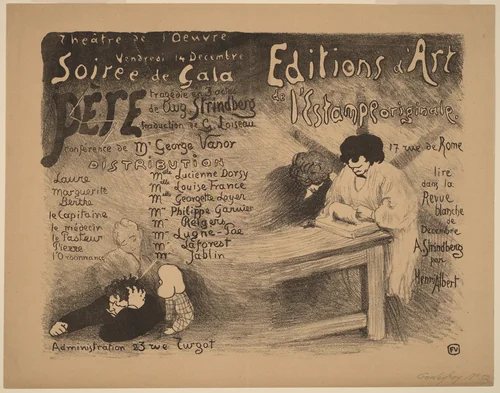
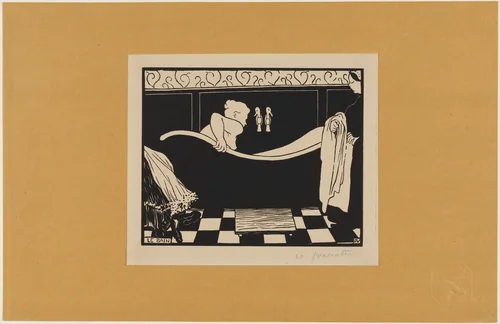
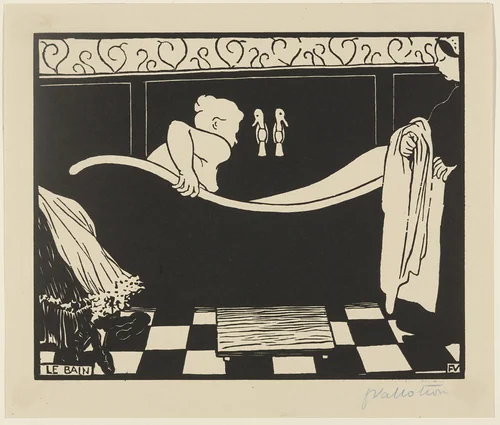
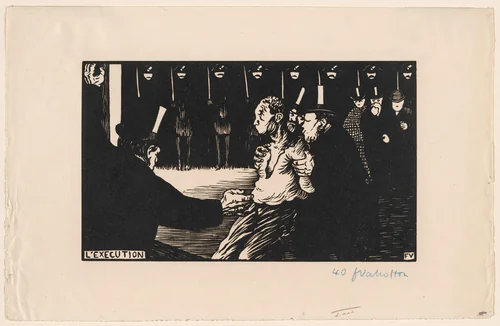
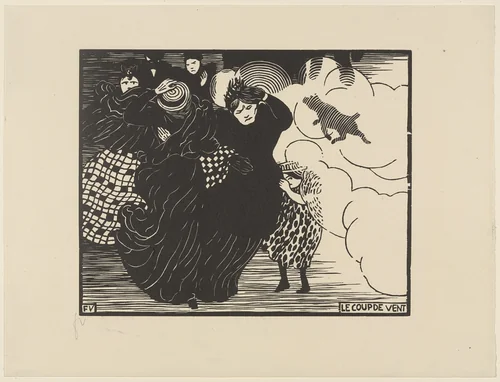
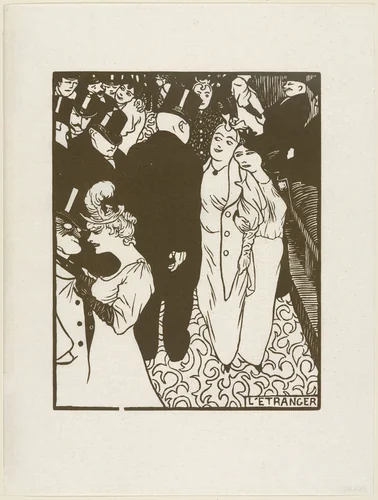
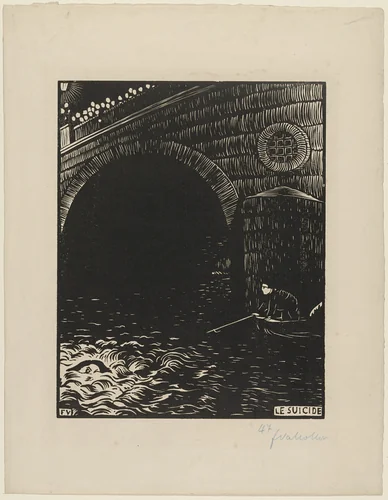
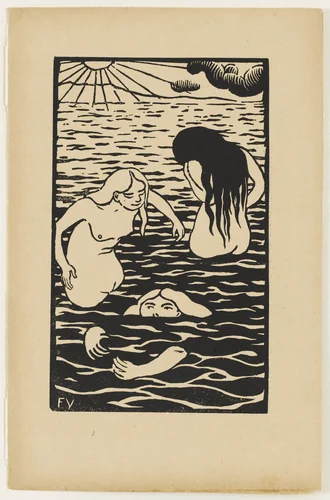
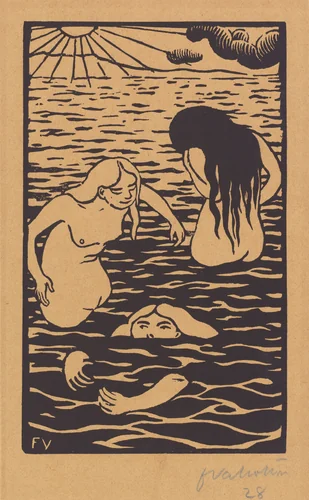
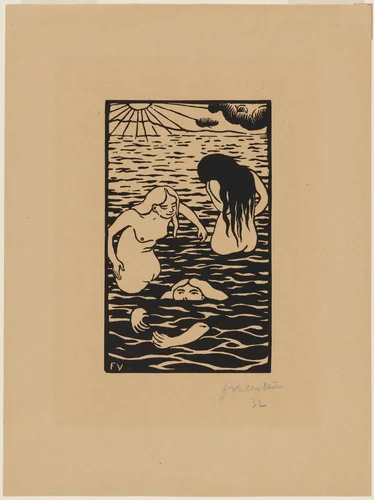
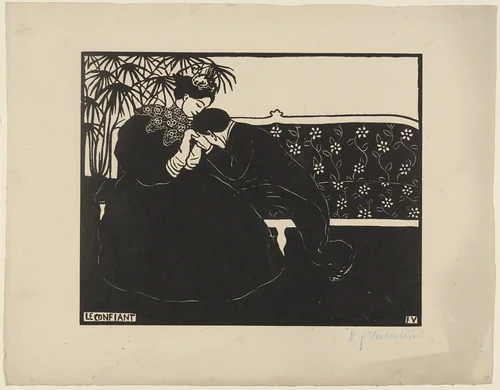
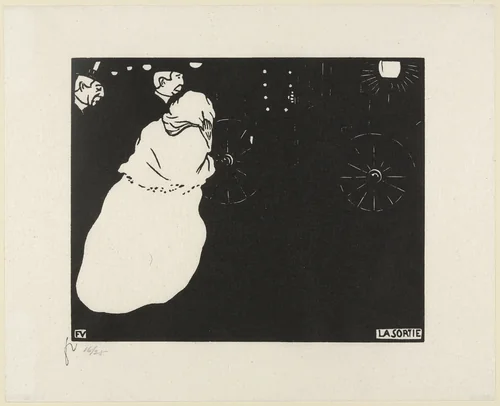
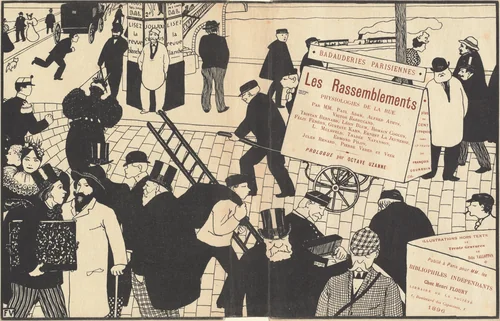
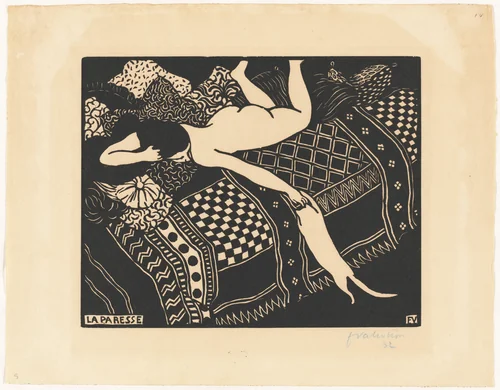
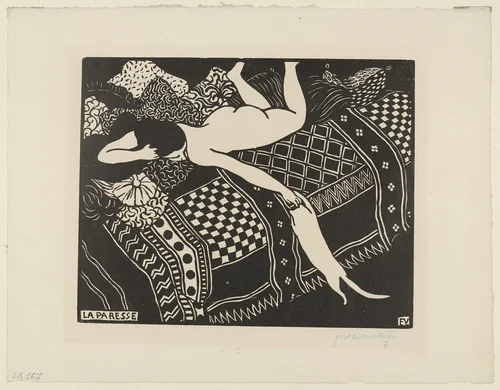
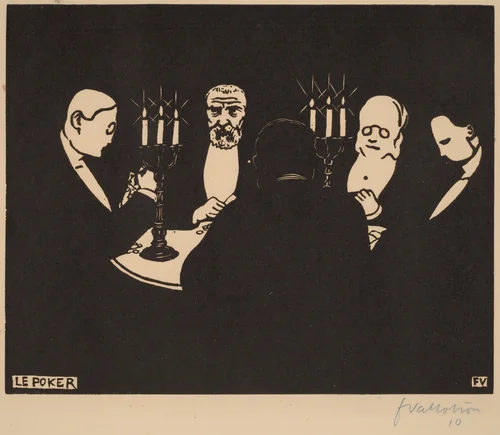
Vallotton’s most innovative period occurred between 1890 and 1893, when he perfected a radical simplification of form in his woodcuts. Rejecting the tonal gradations common to etching, his compositions utilized large, stark planes of black and white. This bold, graphic approach captured scenes of contemporary Parisian life—from domesticity to political unrest—with a detached, sometimes unsettling precision. Works like The Bistro and the somber The Funeral exemplify this characteristic high contrast and deliberate linearity. This stylistic innovation, often described as the "white line" woodcut, instantly established him as a leading exponent of modern graphic design. The powerful effect of Félix Vallotton prints, disseminated widely in journals and periodicals, elevated the medium to new expressive heights.
While celebrated for his printmaking, Vallotton was equally prolific as a painter of portraits, landscapes, nudes, and still lifes. His painting style consistently maintained the characteristic detachment found in his prints; color was often handled with a cool reserve, favoring precise contours over expressive brushwork. He approached even complex or emotional subjects, such as nudes and literary homages like To Paul Verlaine (A Paul Verlaine), in a distinctly unemotional, realistic manner.
This calculated, unsentimental approach earned him the understated nickname Le Nabi étranger (The Foreign Nabi) among his peers, a subtle acknowledgment of his Swiss temperament amidst the more exuberant French modernists. The graphic power and enduring appeal of his output have ensured that his work remains highly sought after, with collections featured in institutions such as the Museum of Modern Art, the Cleveland Museum of Art, and the National Gallery of Art. Thanks to the longevity of his legacy, many of these influential works now reside in the public domain, making high-quality prints widely available.
Source: Wikipedia · CC BY-SA 4.0