Félix Teynard
Félix Teynard was a photographer active in 1851, recognized primarily for his documentation of archaeological sites in Egypt. While full biographical details are sparse, his significant output during this period established him as an important figure in early architectural photography, dedicated to capturing monumental structures and their detailed decay.
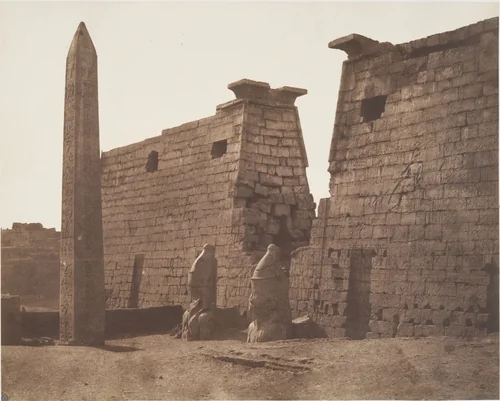
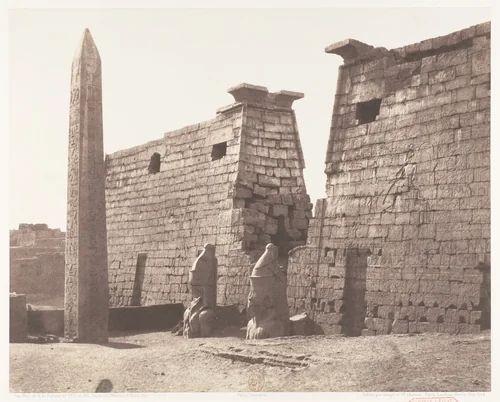
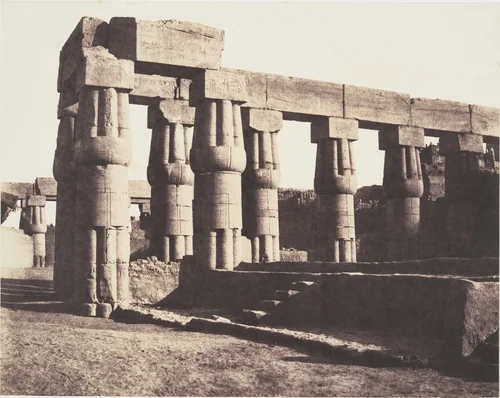
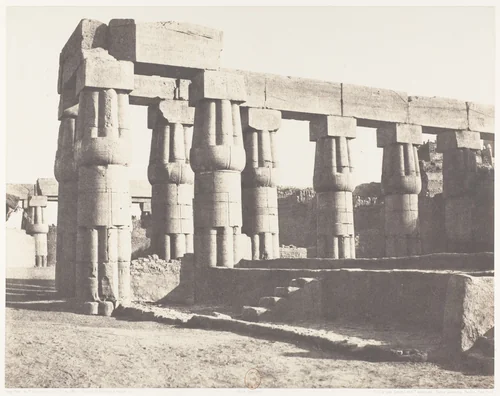
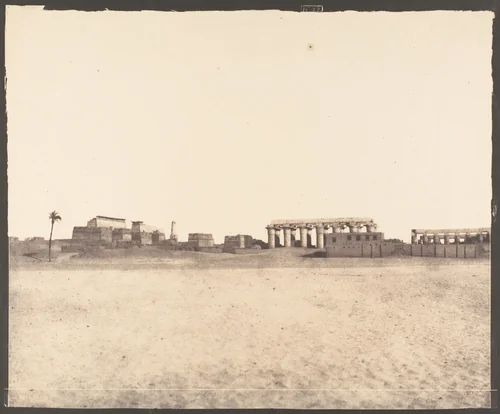
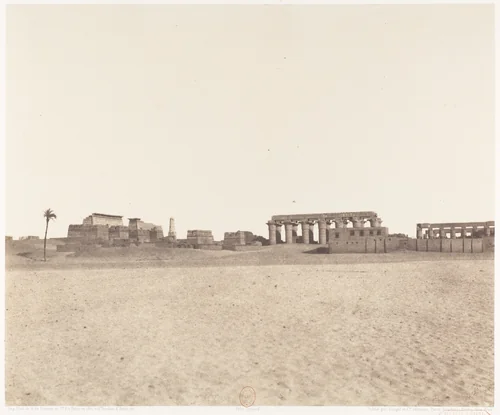
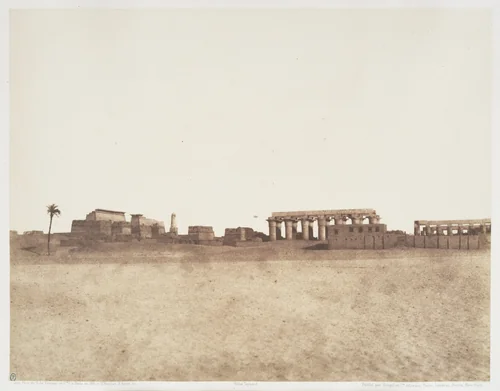
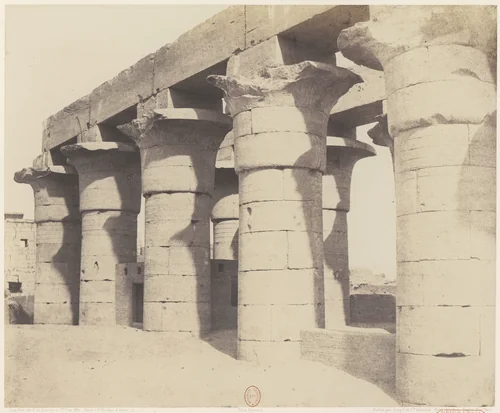
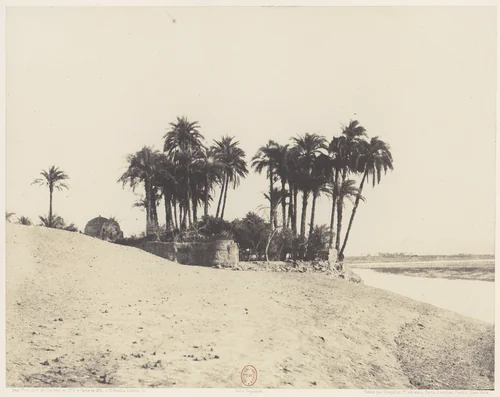
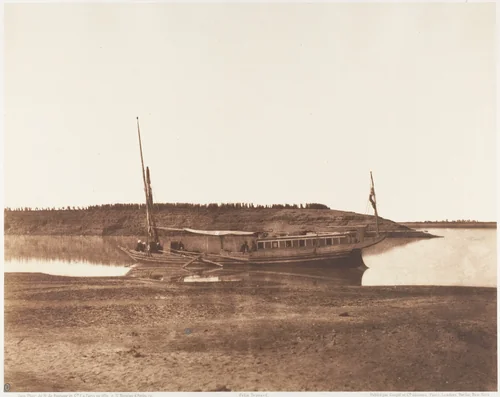
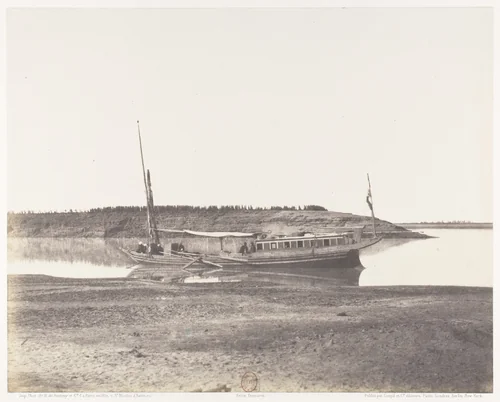
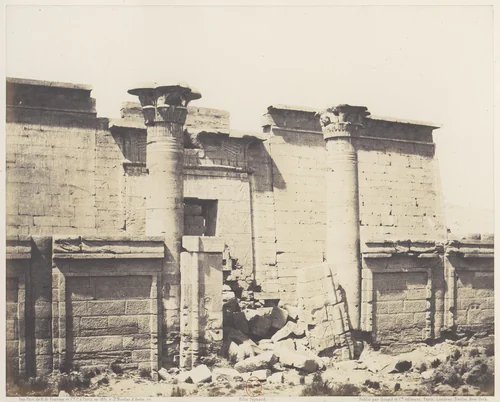
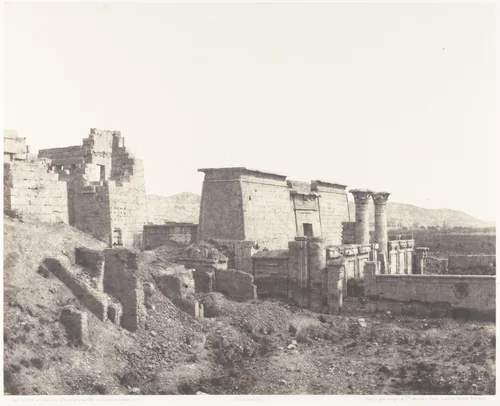
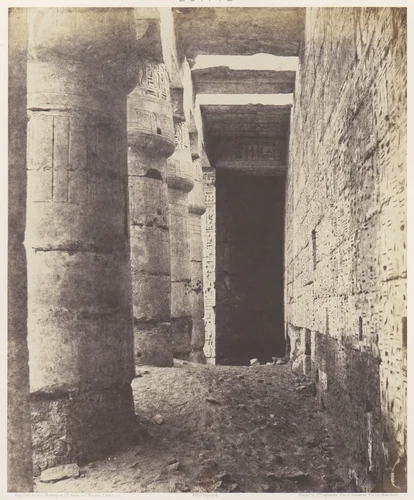
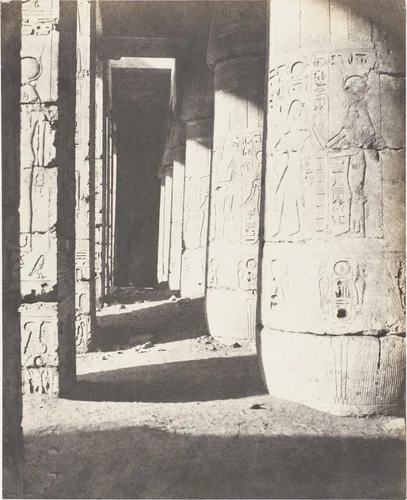
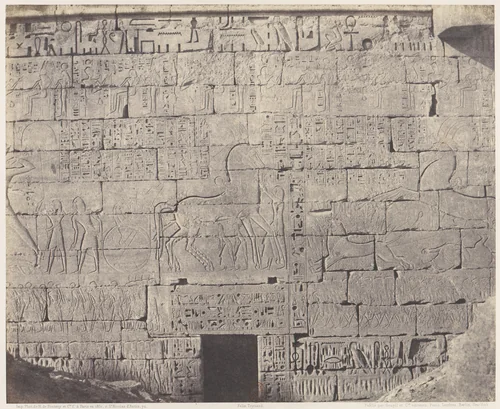
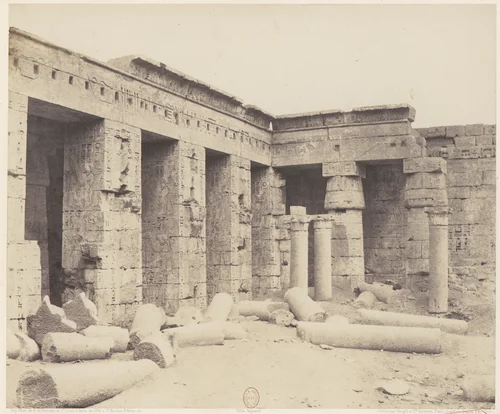
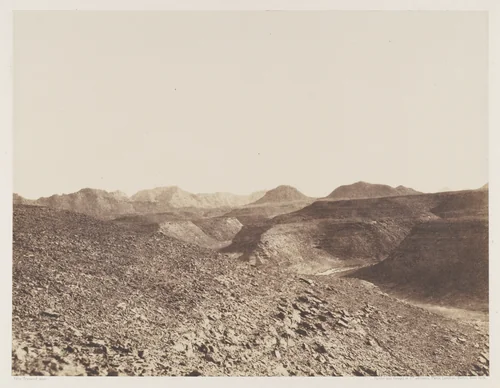
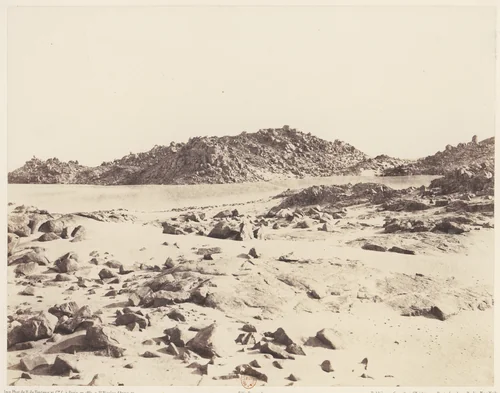
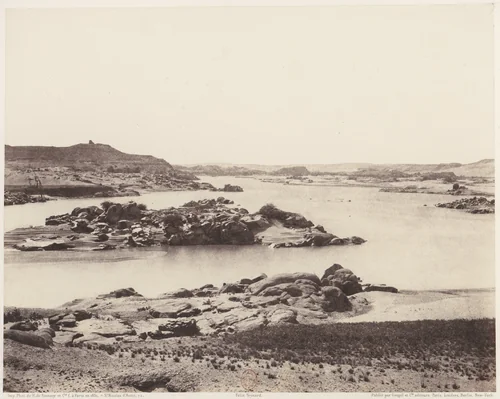
Teynard’s photographic work focused heavily on the documentation of the great temples and statues along the Nile. Fifteen of his photographs are represented in museum collections, illustrating his methodical approach to the subject. Notable works include focused studies of the Ramesseum, such as Abou Sembil, Grand Spéos - Statues Colossales, Vues de Trois-Quarts and Abo-Sembil, Grand Spéos, Statues Colossales vues de Face (Parte Inférieure). His scope also extended to surrounding environments, exemplified by the detailed study Abâzîz, Intérieur d'un Village Arabe.
His historical photographs are held in major institutions, including the Metropolitan Museum of Art, attesting to their artistic and historical significance. These museum-quality works often reside in the public domain, allowing researchers and collectors access to high-quality prints. The enduring demand for Félix Teynard prints confirms his role in creating some of the earliest comprehensive visual records of ancient Egyptian architecture.