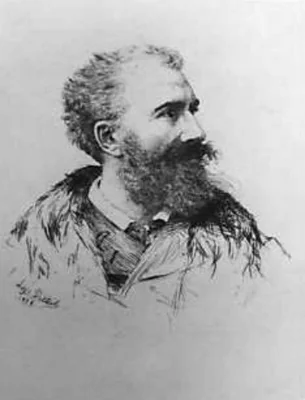
Félix-Hilaire Buhot
Félix-Hilaire Buhot, the French painter and illustrator, occupies a vital position in the history of mid-nineteenth century graphic arts. Active around 1847, Buhot was defined less by a single medium than by his mastery across drawing, painting, and the increasingly popular field of etching. While biographical details remain concise, the artistic significance of Buhot is firmly established by his representation in major institutional collections, including the National Gallery of Art, validating the historical impact of his technical proficiency.
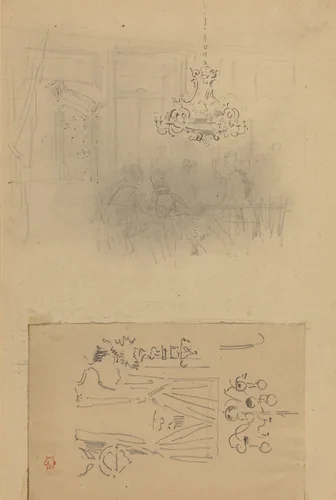
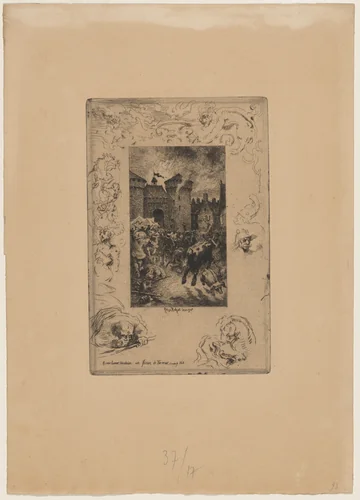
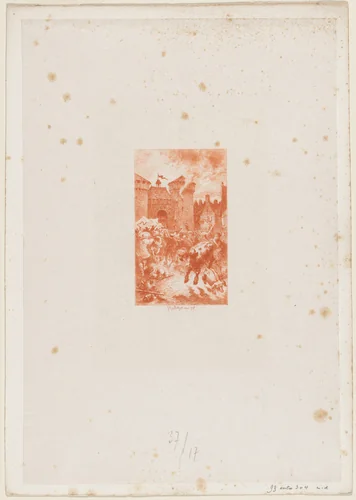
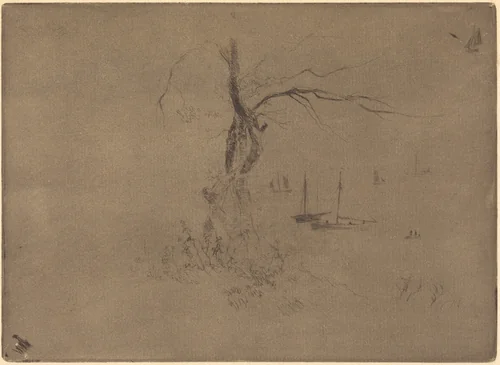
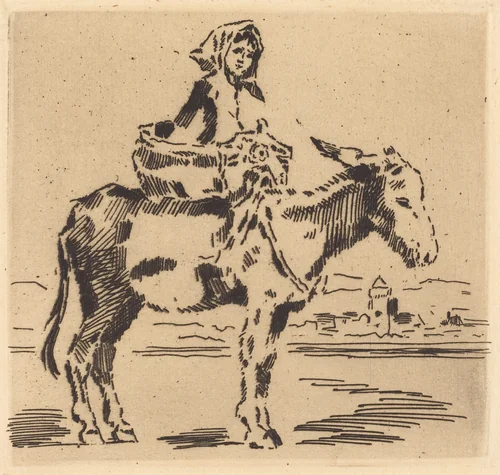
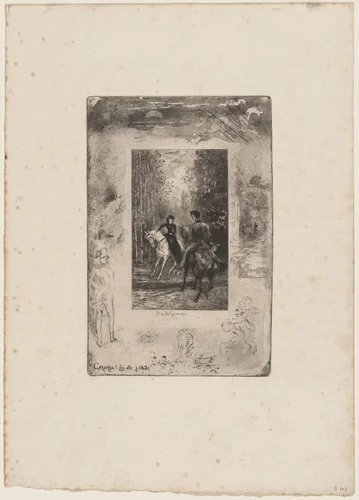
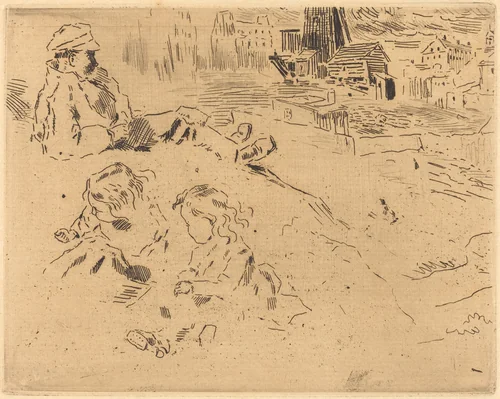
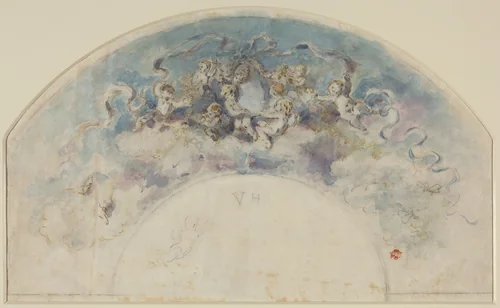
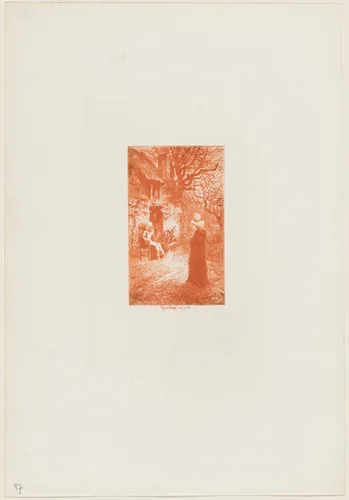
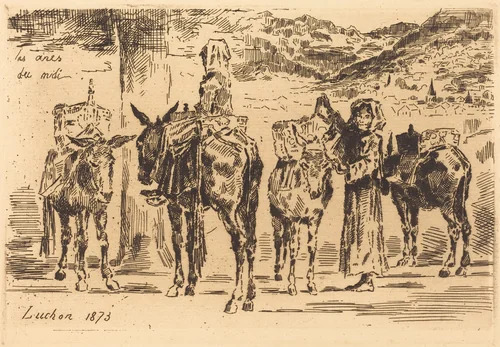
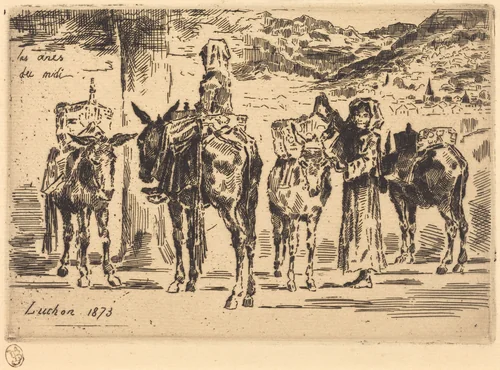
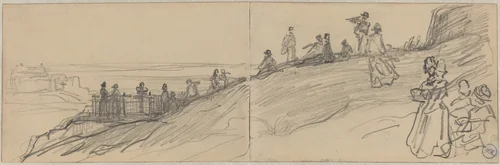
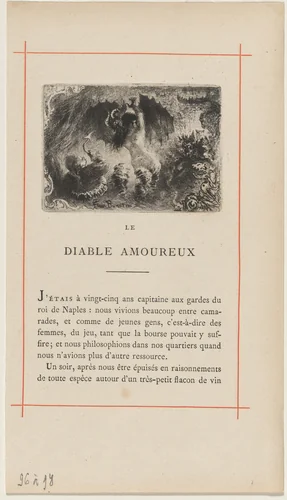
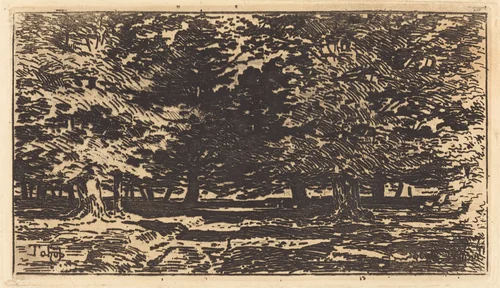
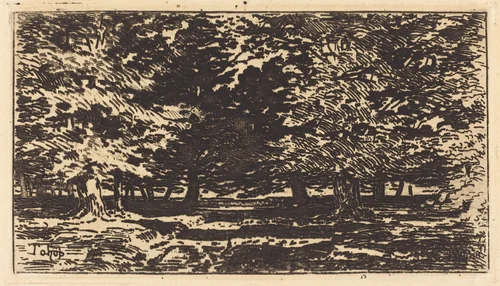
Buhot's primary contribution lay in his exacting draftsmanship and the atmospheric sensitivity captured in his often-reproduced works. Surviving pieces, typically comprising highly detailed preparatory drawings and resolved prints, offer a window into domestic and public life during the period. These range from observational sketches such as A Gathering in an Interior; A Curtained Doorway to more evocative explorations of light and atmosphere, exemplified by titles like A cette lueur soudaine... or the environmental study Arbres et Bateaux (Trees and Boats). His proficiency in graphic media ensured that Félix-Hilaire Buhot prints served as valuable visual records and sources of study for subsequent generations.
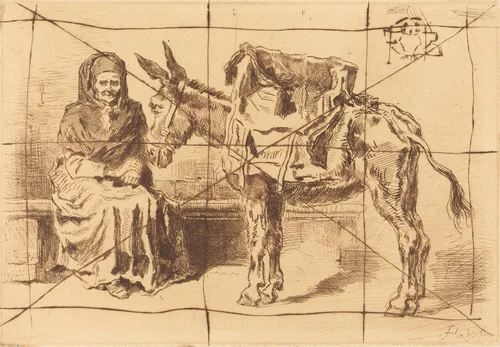
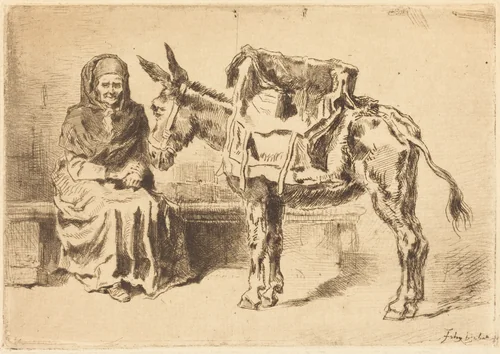
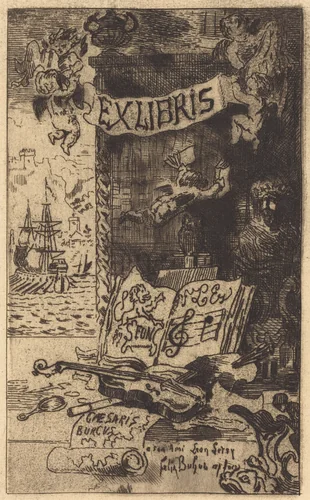
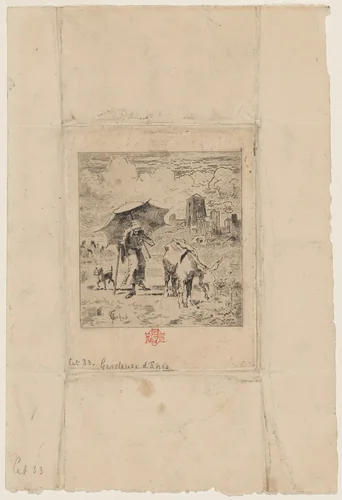
As an illustrator, Buhot was required to translate concept into reproducible form with meticulous clarity. This technical rigor allowed him to experiment successfully with the nuances of shade and composition, creating high-quality prints that transcended mere reproduction. Though his subjects were grounded in reality, he occasionally approached them with a fascinating directness, lending a subtle, observational humor to his titles. The forthright identification of a subject as Cacoletière Assise (Seated Woman and Ass) suggests an artist comfortable observing and recording the world exactly as it appeared, without unnecessary romantic flourish.
Today, a substantial collection of his graphic work is maintained in public domain resources, ensuring that these refined examples of nineteenth-century illustration remain accessible for scholarship and appreciation worldwide. This accessibility allows contemporary viewers to engage directly with his complex visual language and appreciate the lasting influence of an artist whose subtlety defined an era of graphic innovation.
Source: Wikipedia · CC BY-SA 4.0