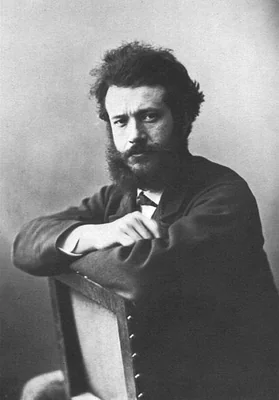
Félix Bracquemond
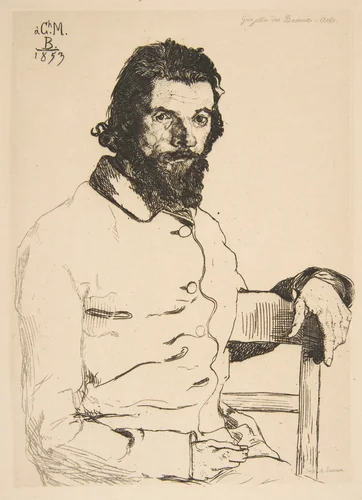
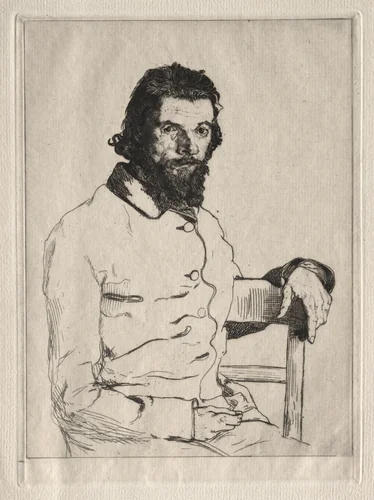
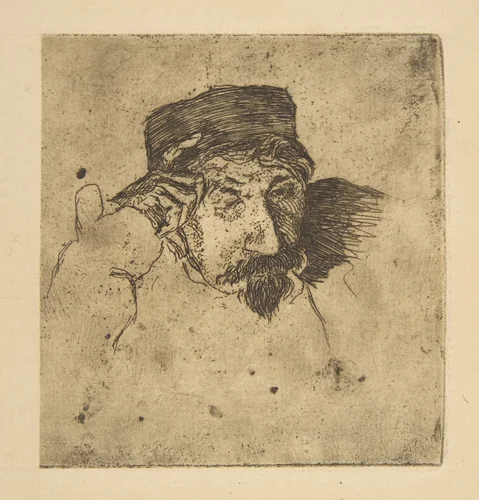
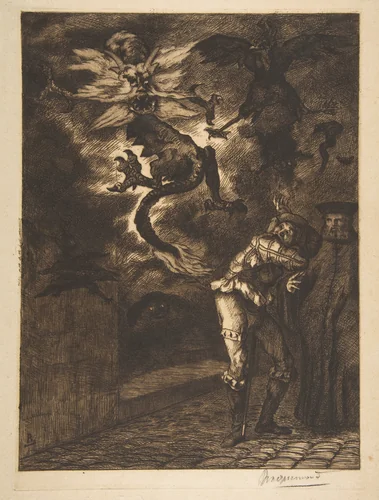
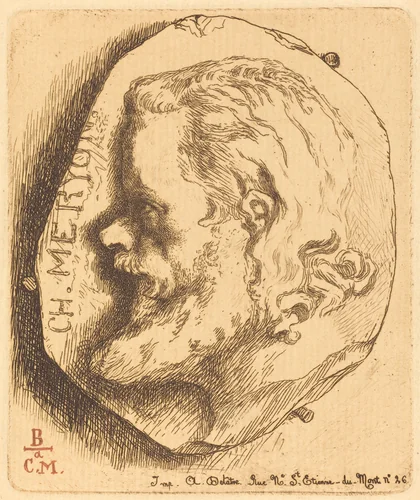
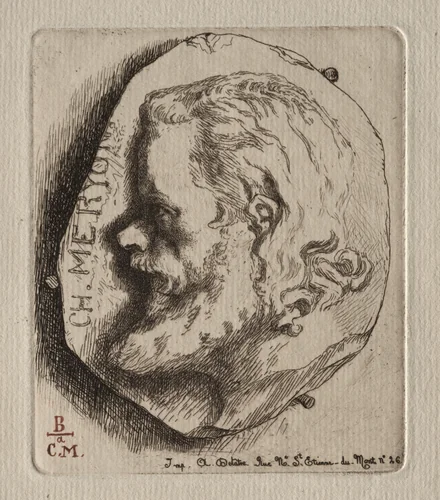
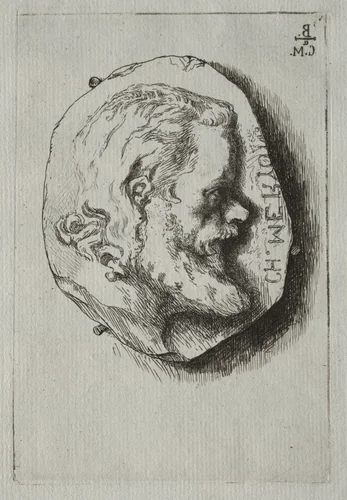
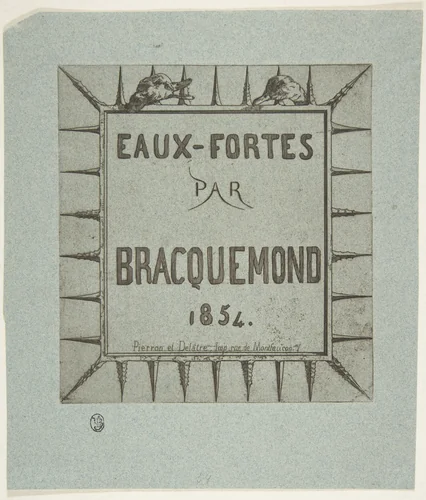
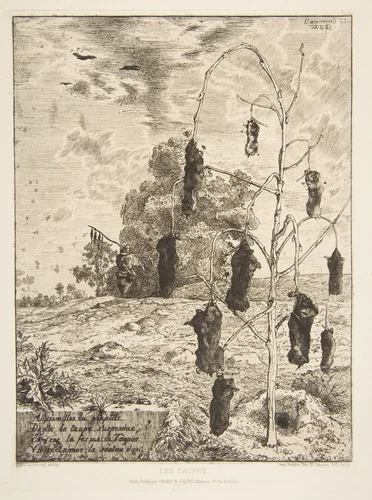
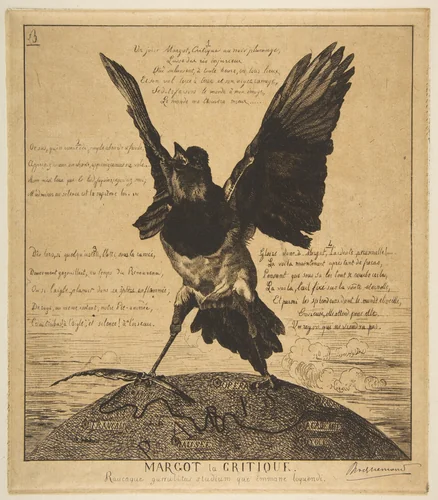
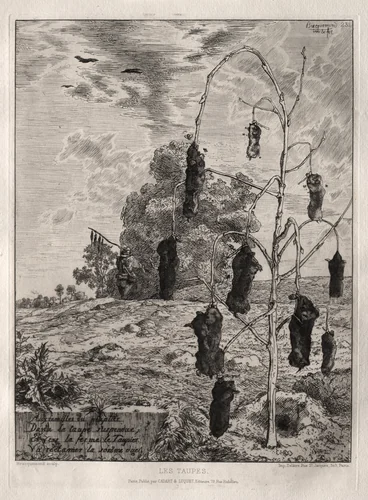
Félix Henri Bracquemond (1833-1914) stands as a foundational figure in the history of nineteenth-century French graphic arts. While active as a painter and draftsman, it was as an etcher and printmaker that he fundamentally redefined the medium, securing his place as the central catalyst in the printmaking revival that swept through Europe. His technical mastery and rigorous dedication elevated etching from a specialized reproductive process back into the realm of fine art.
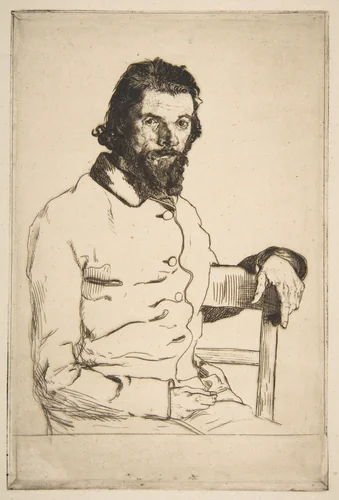
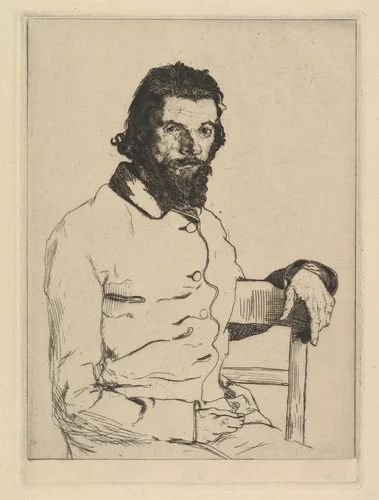
Bracquemond’s historical significance lies not just in his prolific output but in his profound influence on the emerging avant-garde. He served as a crucial bridge between established academic techniques and the burgeoning modernity championed by his contemporaries. Bracquemond personally encouraged and instructed influential figures such as Édouard Manet, Edgar Degas, and Camille Pissarro, demonstrating to these masters how to leverage the immediacy and expressive potential of the etched line. He effectively provided the technical and intellectual groundwork necessary for the creation of their own landmark series of high-quality prints.
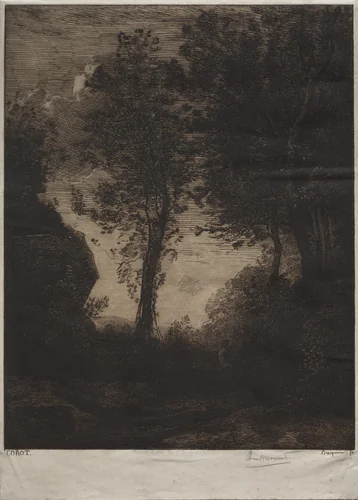
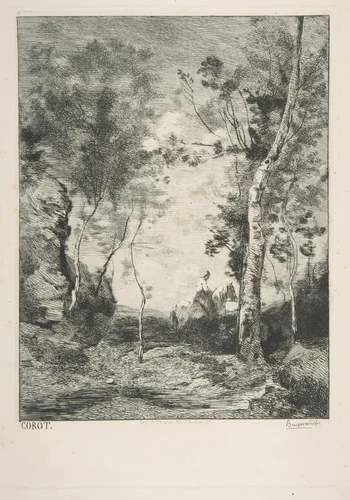
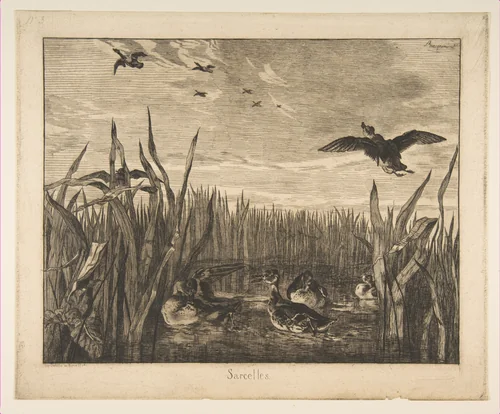
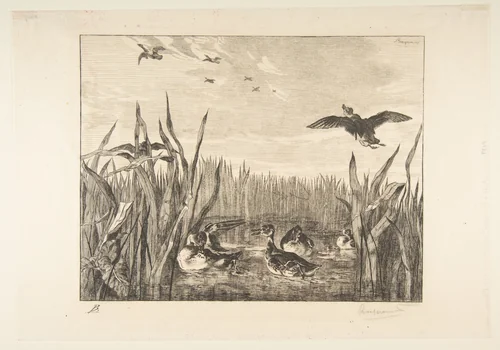
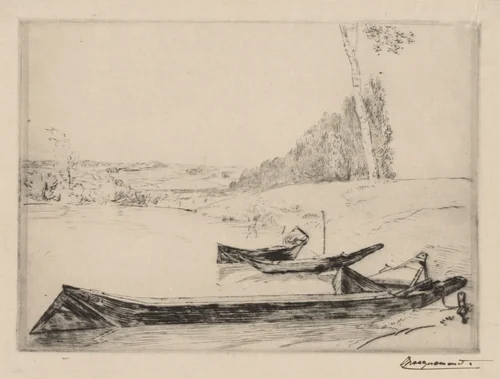
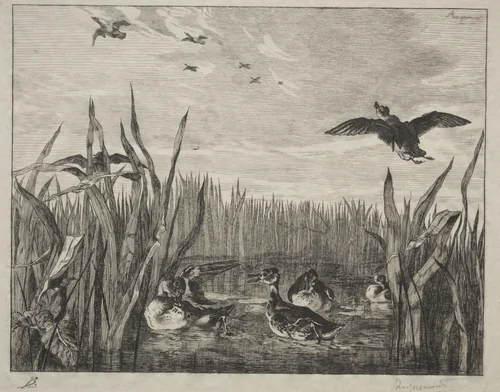
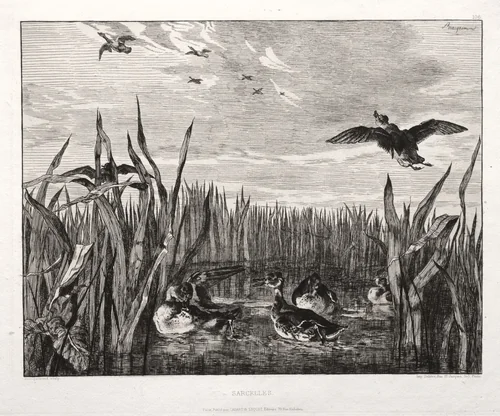
His own practice was marked by a keen observational skill, particularly evident in his treatment of nature. Works like Chicks and Head of a Cock reveal a demanding naturalism, suggesting that for Bracquemond, artistic execution was inseparable from patient, near-scientific precision. He worked extensively in drypoint and etching, frequently focusing on landscapes and detailed animal studies, such as Coastal Landscape and A Landscape (Un Paysage). It is a curious historical observation that this champion of radical technical revival—the man who spurred Impressionists to embrace print—often maintained deeply conservative views on administrative art roles later in his career.
Bracquemond’s legacy is preserved in major institutions globally, including the Cleveland Museum of Art, the Rijksmuseum, and the Metropolitan Museum of Art. Due to the wide dissemination of his work throughout the late nineteenth century, many Félix Bracquemond prints are now in the public domain, offering valuable resources to scholars and art enthusiasts. Institutions regularly provide access to downloadable artwork and museum-quality images of his output, continuing his contribution to art education and appreciation.
Source: Wikipedia · CC BY-SA 4.0