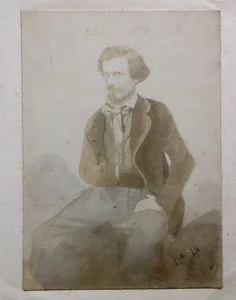
Félix Bonfils
Félix Bonfils, the foundational figure of the eponymous Maison Bonfils, established arguably the most important photographic studio operating in the Middle East during the late 19th century. Launched in Beirut in 1867, and later operating as F. Bonfils et Cie from 1878 until 1918, the studio quickly dominated the regional market. At a time when global interest in ancient sites was rapidly expanding, Bonfils professionalized the documentation of the Near East, setting the benchmark for commercial quality and impressive output volume.
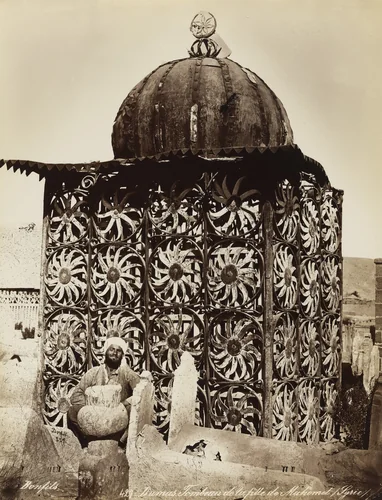
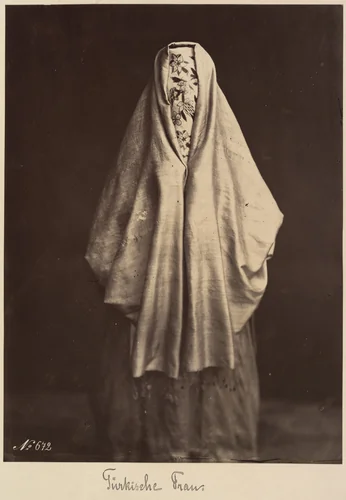
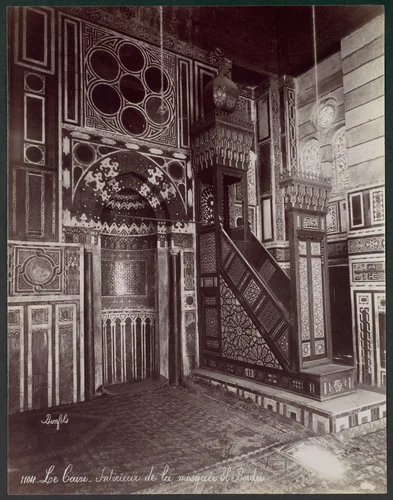
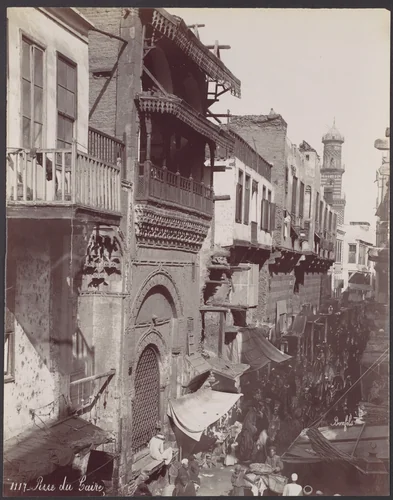
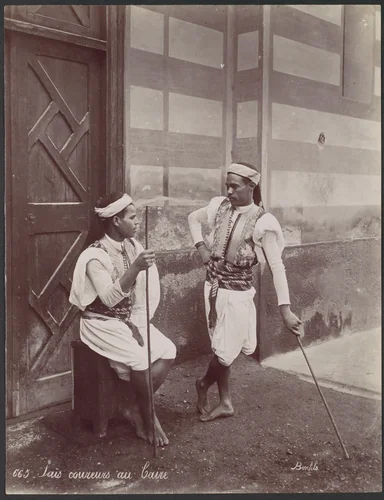
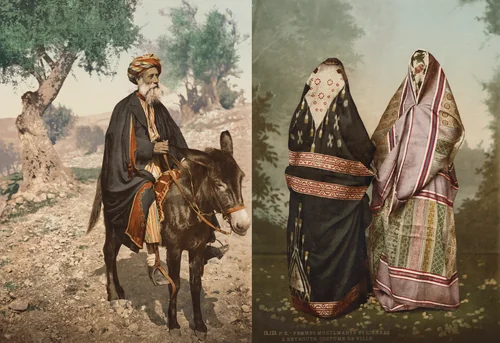
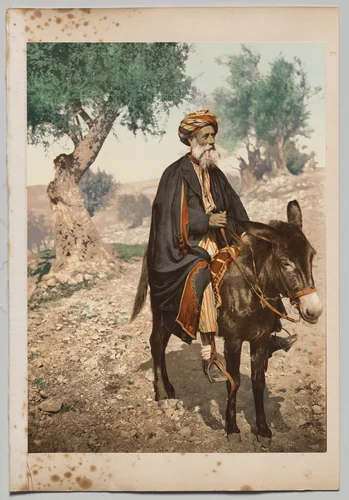
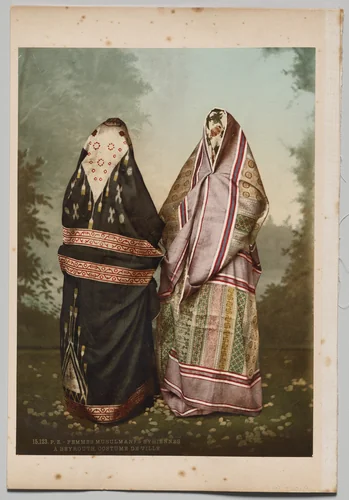
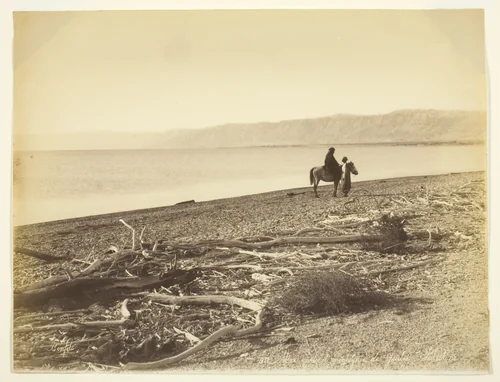
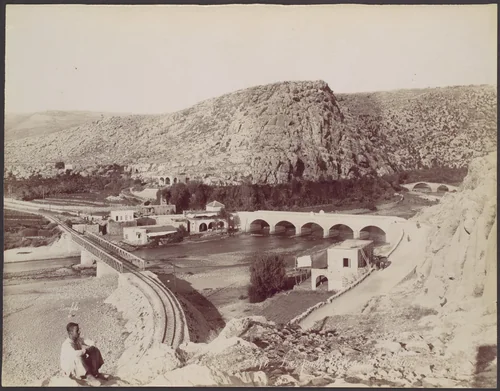
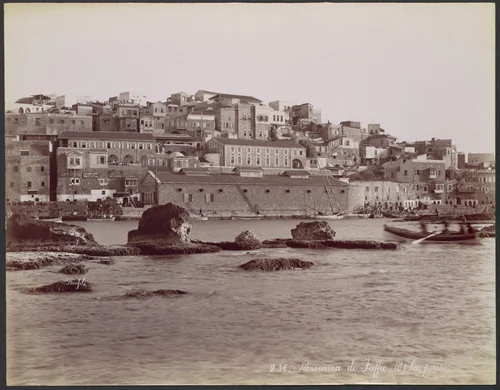
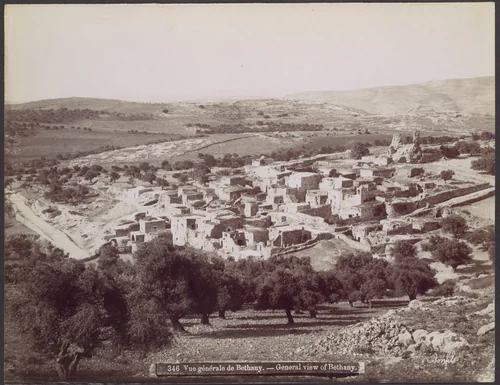
The Bonfils enterprise excelled in producing a remarkably diverse catalogue of images, fulfilling both the documentary and the romantic demands of the era’s consumer base, which included tourists, scholars, and wealthy collectors. The studio’s signature output included grand panoramic landscapes, typified by striking compositions like Cous du Kadisha, Monte Libon, and iconic architectural studies such as Pyramides et le Sphinx and Caire. Allée de Pyramides. Beyond these sweeping views, the company specialized in carefully rendered studio portraits, including images like [Studio Portrait: Mahomedan Cripples, Beirut, Syria], and commercially successful, staged biblical scenes, such as The Garden of Olives, Jerusalem.
Running the first and most successful photographic studio in a burgeoning metropolis required not only keen artistic vision but also the logistic precision of a small printing empire, a necessary dual skill Bonfils possessed in abundance. His rigorous organization allowed the studio to maintain consistent standards across its vast output.
Bonfils's photographs were essential components of the visual education of the Western world, helping to shape lasting perceptions of historical sites across Palestine, Syria, and Egypt. While Bonfils initially created albumen prints for distribution to institutions and travellers, the enduring quality of his compositions ensures their continued relevance today. Many of these historically significant images have since entered the public domain, allowing major institutions like the Cleveland Museum of Art and the Metropolitan Museum of Art to make them available as high-quality prints and downloadable artwork. The prolific career responsible for thousands of Félix Bonfils prints confirms his legacy as a pioneer who meticulously documented the essential character of the Levant at the peak of its visual engagement with the West.
Source: Wikipedia · CC BY-SA 4.0