Felice Beato
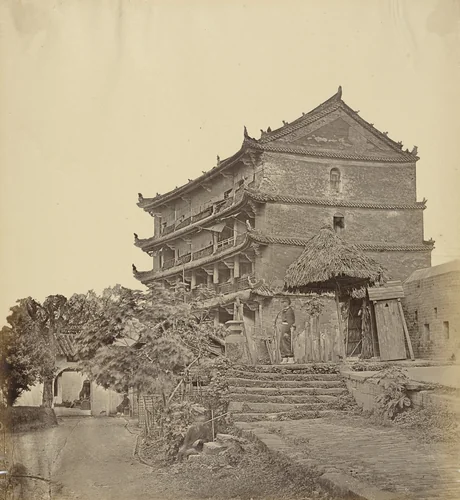
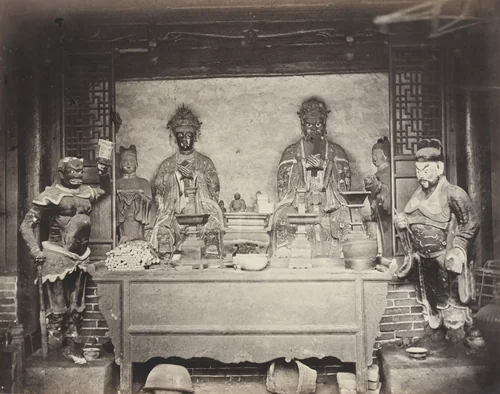
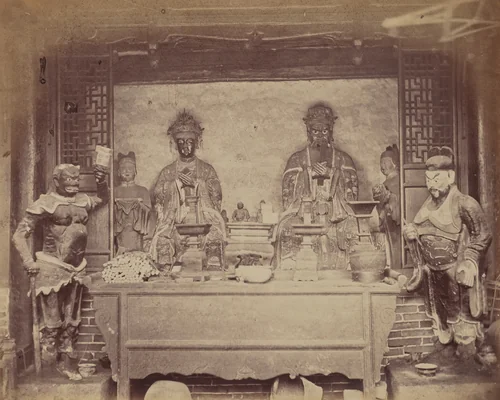
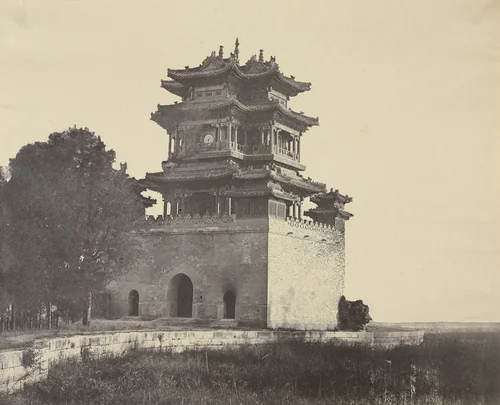
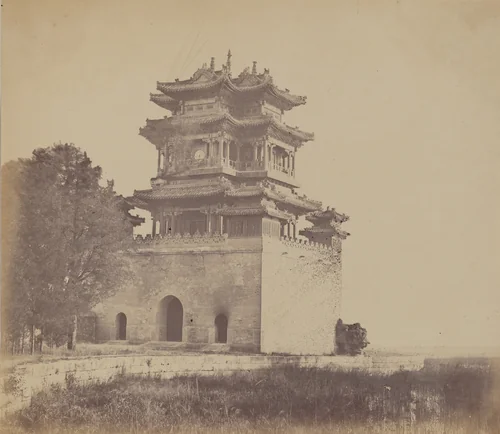
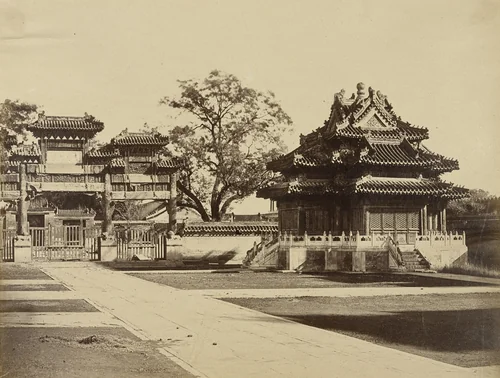
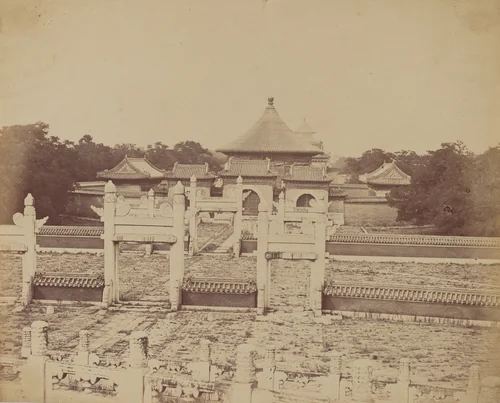
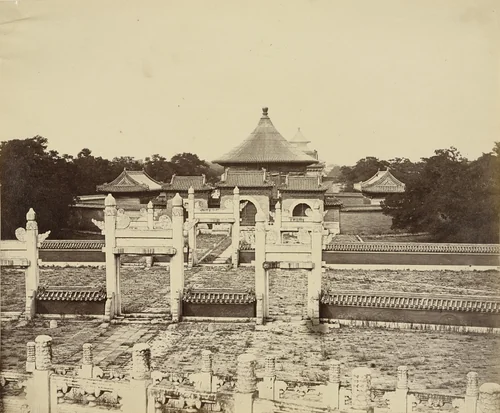
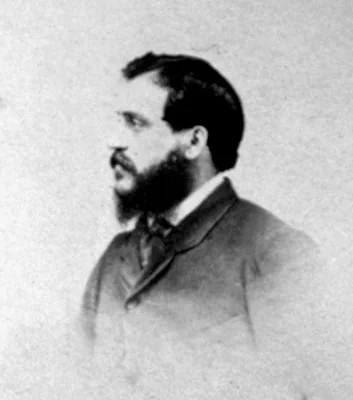
Felice Beato (c. 1832-1909), an Italian-British photographer, stands as a foundational figure in the development of modern photojournalism and travel documentation. Working throughout the mid-nineteenth century, Beato was among the first Western photographers to secure comprehensive visual records of East Asia and was a defining pioneer of war photography. His global travels allowed him to produce unprecedented images of countries, people, and events considered remote to most audiences in Europe and North America, including panoramic architectural studies such as [Dome of the Rock, Jerusalem]. His works, noted for their genre scenes, portraits, and views, offer museum-quality records of pivotal historical moments.
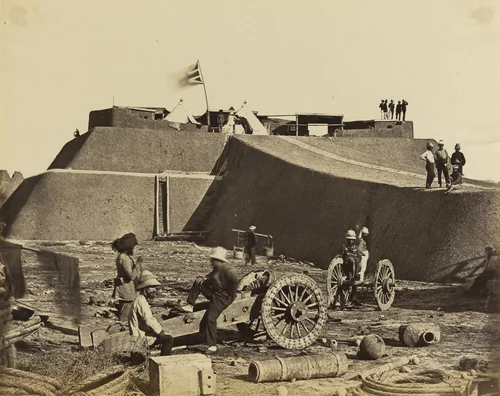
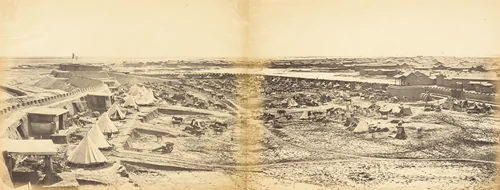
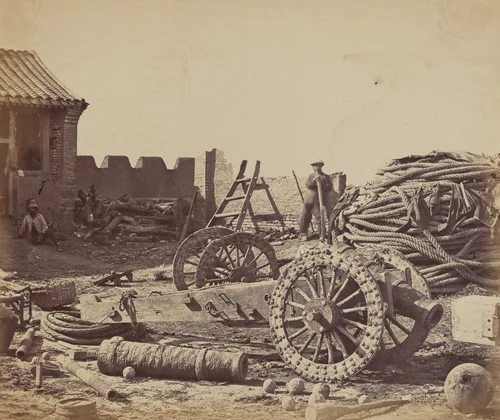
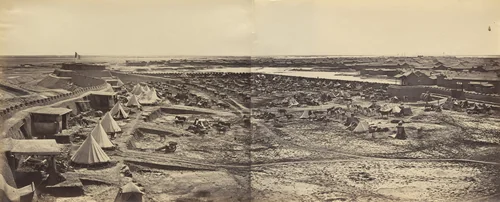
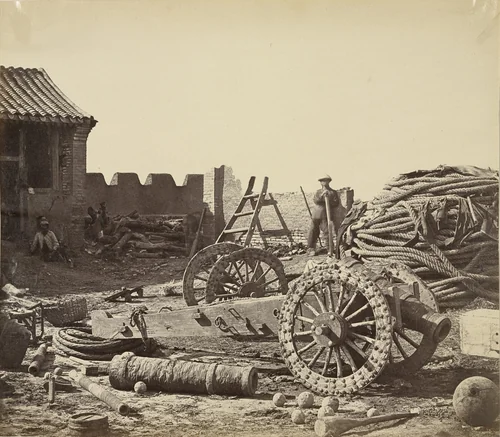
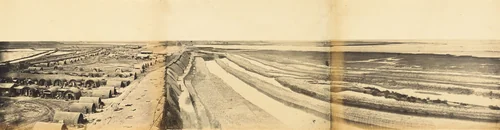
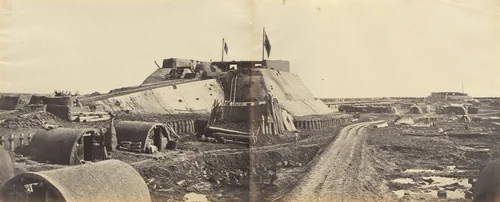
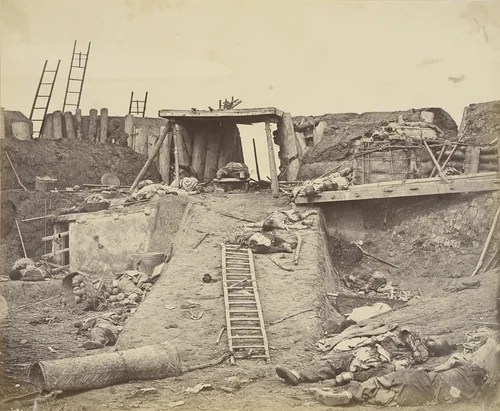
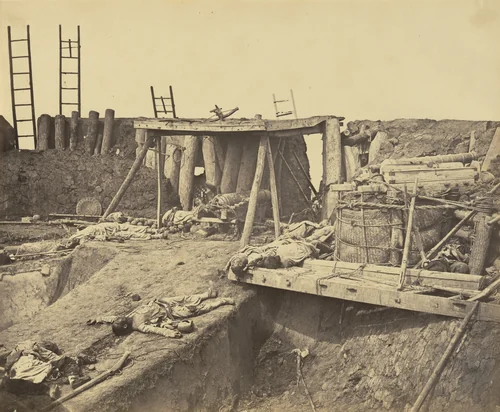
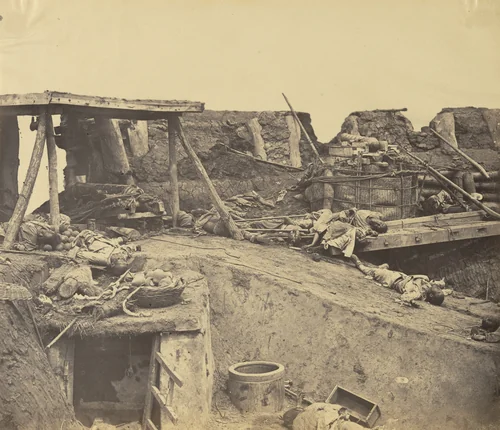
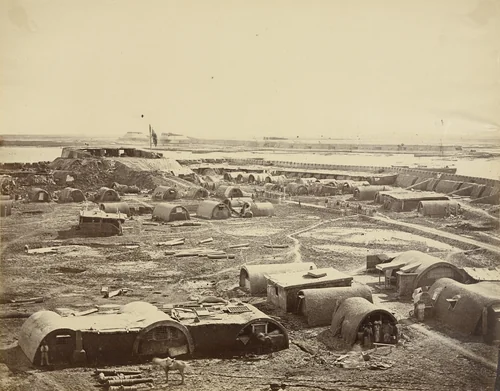
Beato’s significance is amplified by his willingness to document military conflict, often reaching battle sites immediately following combat. During the Indian Rebellion of 1857 and the Second Opium War, he captured scenes that provided the West’s first substantial body of photojournalism. Titles such as The Residency, Taken in Front, and Showing the Room in Which Sir Henry Lawrence was Killed, Lucknow attest to his focus on recording the specific, often brutal, consequences of conflict. He meticulously documented military engineering and aftermath, exemplified by his study of the Interior of the South Taku Fort and Showing the Place of Landing and the Angle of North Taku Fort at Which the French Entered, August 21, 1860. This methodical, documentary approach established protocols for future photojournalists.
His influence extended profoundly into the region he photographed, particularly Japan. Arriving in Yokohama in 1863, Beato established a studio and produced an extensive collection of high-quality prints documenting local life, customs, and architecture, including genre images such as "Shariki," or Cart-Pushing Coolies. Crucially, he taught and worked with numerous Japanese photographers and artists, fostering the early development of indigenous photographic practices. It is perhaps his greatest irony that a photographer whose early fame derived from documenting military conflict and political upheaval left behind a legacy defined by artistic instruction and deep cross-cultural collaboration. Today, much of Beato's remarkable visual catalog is considered public domain, allowing scholars and institutions to access and study his downloadable artwork.
Source: Wikipedia · CC BY-SA 4.0