Felice A. Beato
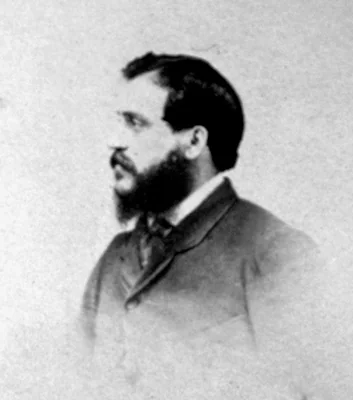
The name Felice A. Beato, sometimes rendered as Felice Antonio Beato, functions as the collective signature for two of the most significant figures in 19th-century documentary photography: the brothers Felice Beato and Antonio Beato. Active primarily from the late 1850s, the Beatos revolutionized the visual documentation of global events, establishing rigorous technical and compositional standards that elevated the nascent medium from a novelty to an essential historical record. They are particularly noted for their pioneering depictions of military conflicts and the often-unseen facets of everyday life in the Orient.
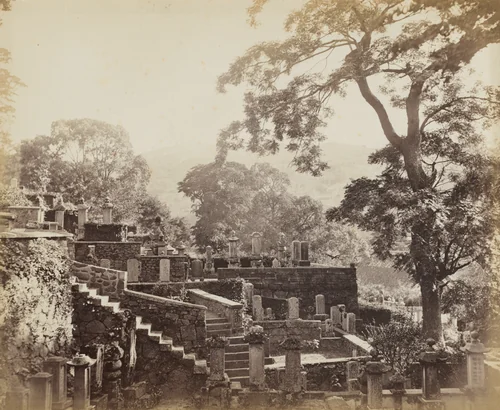
The Beatos were meticulous chroniclers, differentiating themselves from their contemporaries who often focused on staged portraiture or classical ruins. Their work centered on real-time observation of environments undergoing profound cultural and political transformation. Photographs dated around 1858, such as Battery Near the Begum Kotie and the precisely articulated Bailee Guard Gate, Taken from the Inside, Showing the Clock Tower, demonstrate an unflinching, detailed approach to architectural documentation and military sites. The descriptive titles themselves underscore their function as primary visual sources for historians.
Their compositions frequently merged precise documentary utility with an exceptional artistic sensibility. Works like Bridge of Boats over the Gumti River near the Chattar Manzil and Fusseed Bakah or Old Palace capture massive infrastructural projects with clarity, while Chutter Manzil Palace, with the King's Boat in the Shape of a Fish reveals a discerning eye for the unique, often magnificent, intersection of local tradition and grand political architecture.
The strategic decision to utilize a shared professional moniker, Felice A. Beato, suggests an early, pragmatic understanding of artistic branding, allowing the brothers to operate independently across vast geographies while maintaining a unified, consistent visual identity. Their technical prowess in handling large-format negatives ensured the longevity and detail of their images. Today, these foundational photographic records are often held within the public domain, granting unprecedented access to these pivotal documents. The clarity of their original exposures ensures that modern reproductions, frequently available as museum-quality high-quality prints, retain remarkable historical and aesthetic detail, confirming the Beatos’ lasting influence on both documentary art and photojournalism.
Source: Wikipedia · CC BY-SA 4.0