Federico de Vinciolo
Federico de Vinciolo (active 1588) stands as a foundational figure in the development of sixteenth-century European textile design, distinguishing himself as both a master lace-maker and a highly successful publisher of pattern books. Attached to the influential court of Henry II of France, Vinciolo transitioned the highly technical craft of lacemaking from ephemeral decorative work into a standardized, commercially disseminated visual art form. His extensive output, comprising at least fifteen distinct published titles, cemented his authority over contemporary aesthetic trends.
Vinciolo’s significance was bolstered by state sanction. He was granted a unique commercial monopoly in France specifically for the manufacture of lace ruffs. This exceptional decree positioned him not merely as a craftsman, but as the official arbiter and regulator of high-society fashion. Controlling the market for ruffs in late-Renaissance France was, quite literally, controlling the visible status markers of the aristocracy, ensuring that Vinciolo’s specific designs dictated the dimensions and density of court attire.
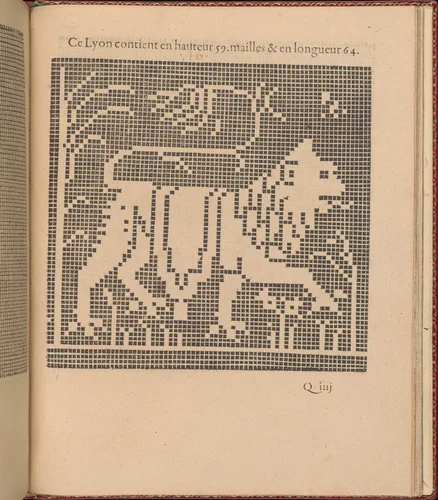
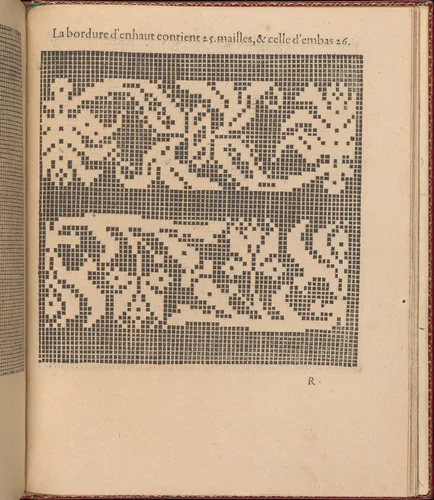
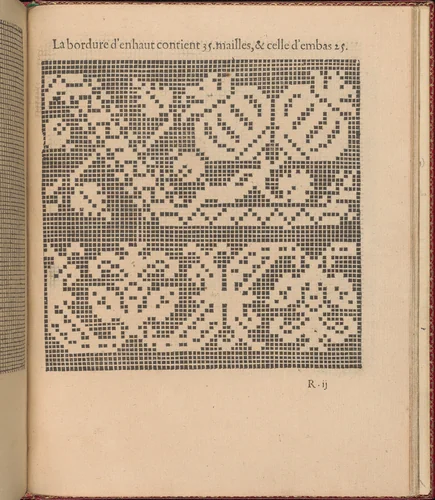
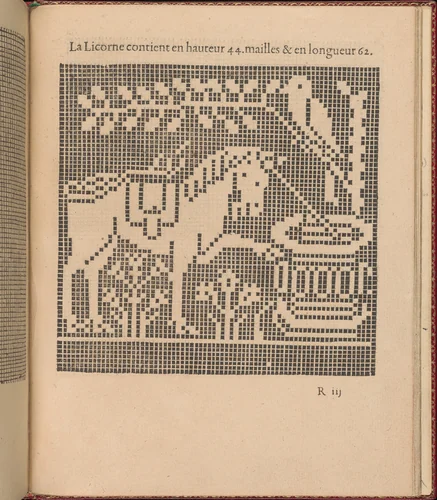
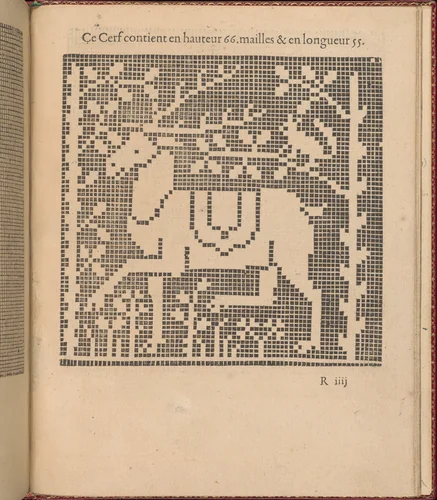
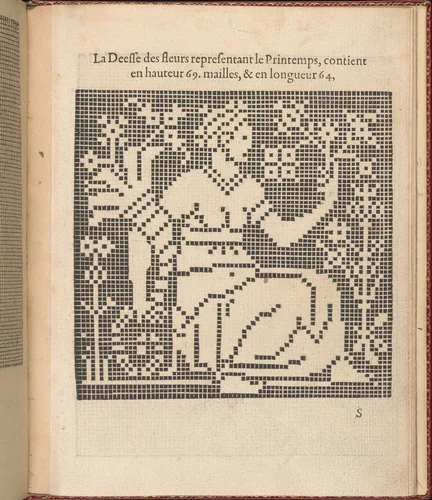
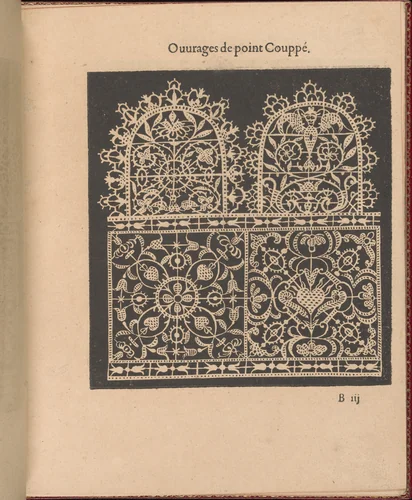
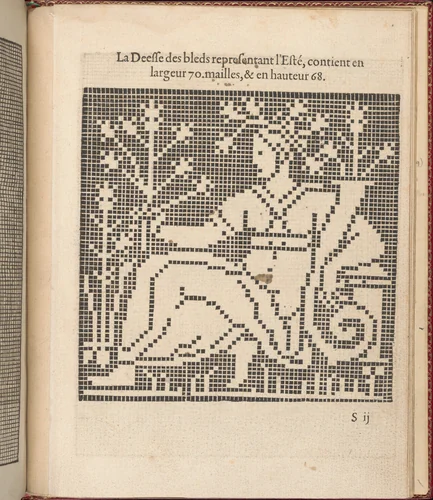
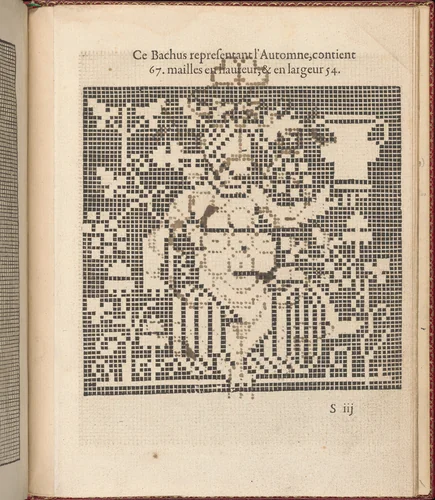
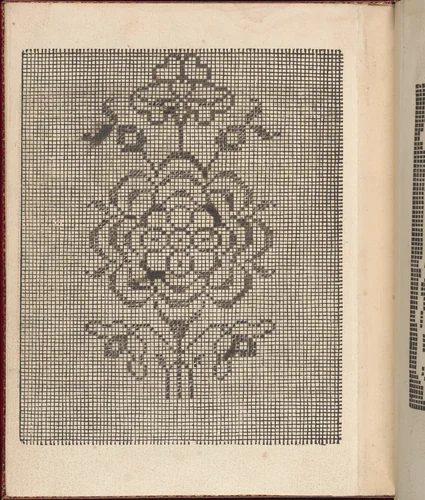
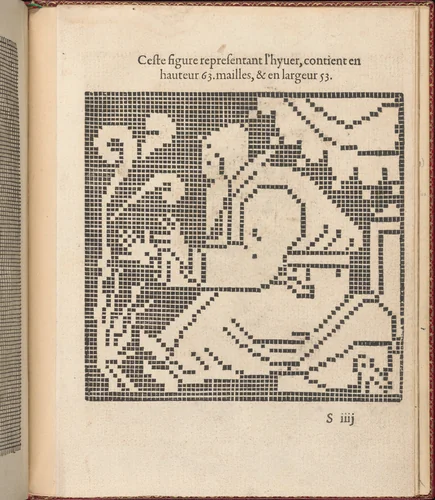
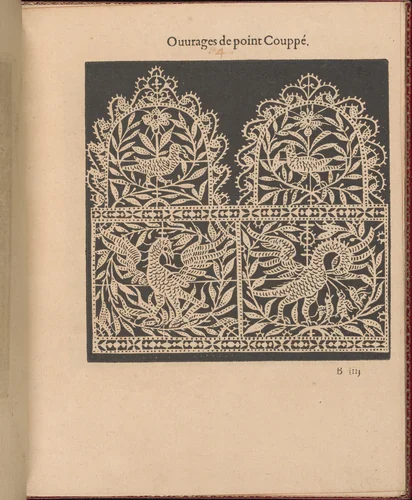
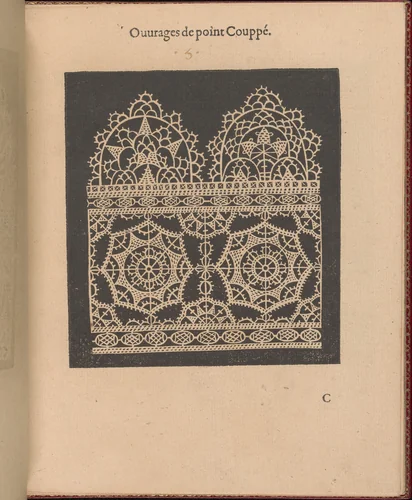
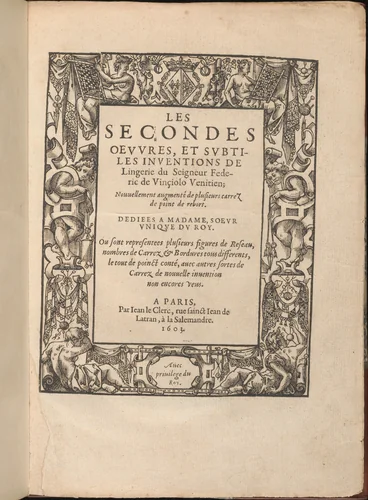
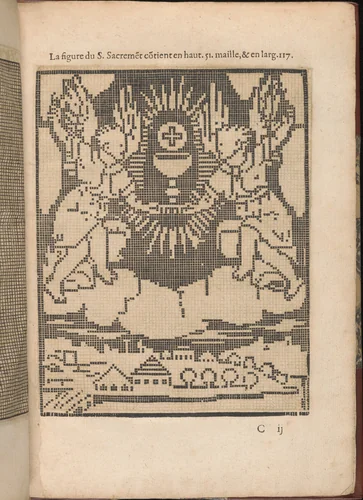
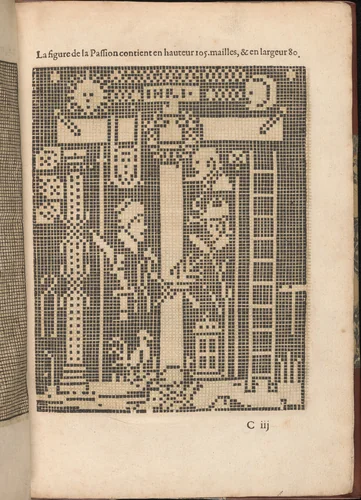
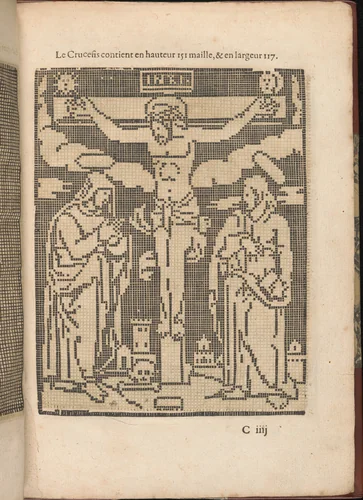
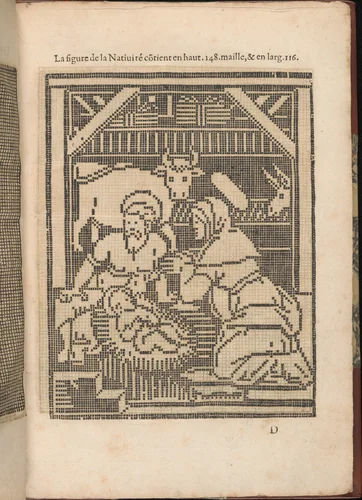
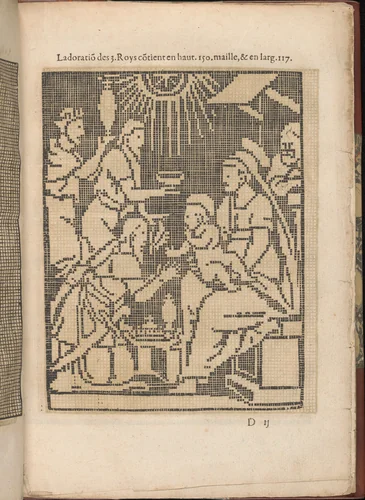
His most notable achievement, and the enduring source of his artistic influence, is the series Les Singuliers et Nouveaux Portraicts... (The Singular and New Portraits in Embroidery). These meticulously detailed pattern books provided intricate templates for embroidery, lacis, and needlepoint, designed to be used by professional craftspeople and wealthy amateur practitioners across Europe. By publishing these complex geometric and floral designs, Vinciolo ensured the rapid and accurate spread of fashionable French style.
Vinciolo’s works are collected today by major institutions, including the Metropolitan Museum of Art, which maintains key examples of his published books—a powerful confirmation of his enduring status among the period's foremost decorative designers. While originally intended for an elite, exclusive clientele, the historical importance of these documents means that the designs are now often utilized by researchers and contemporary artists. Works from this era, now frequently in the public domain, are widely accessible, forming the basis for educational resources and downloadable artwork, offering modern access to the structural rigor of Renaissance pattern making. These documents provide historical accuracy for those seeking high-quality prints suitable for study and reference.
Source: Wikipedia · CC BY-SA 4.0