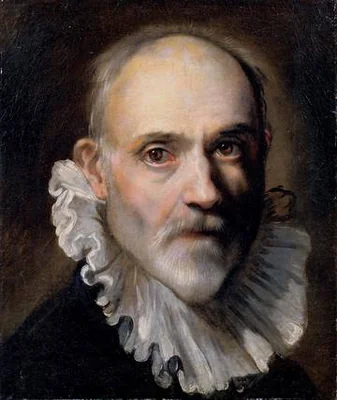
Federico Barocci
Federico Barocci (born Federico Fiori, and nicknamed Il Baroccio) stands as one of the most distinctive and influential artists of the late Italian Renaissance. Active between 1535 and 1567, he is widely regarded as the foremost and most individual painter of his generation in central Italy. His legacy rests on a profound mastery of color and light, skills which allowed him to bridge the stylistic gap between the idealized forms of the High Renaissance and the dramatic intensity that would define the succeeding Baroque period.
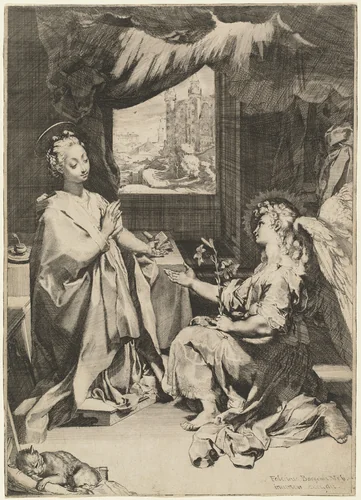
Barocci’s innovative approach to composition and his remarkably sensitive psychological portrayals marked a significant departure from prevailing Mannerist tendencies. His early work, which included important devotional canvases such as The Annunciation and The Descent from the Cross, demonstrates an advanced exploration of pathos and emotional depth, elements that were not yet standard in Italian painting. It is this highly refined, proto-Baroque sensibility that made his style influential and foreshadowed the dynamism later explored by masters like Peter Paul Rubens.
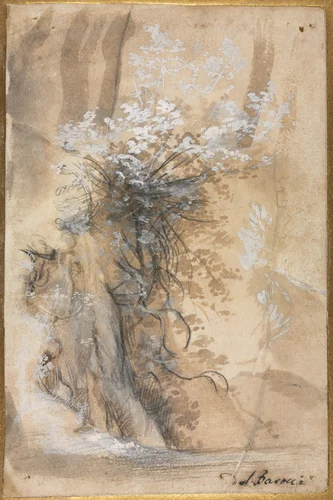
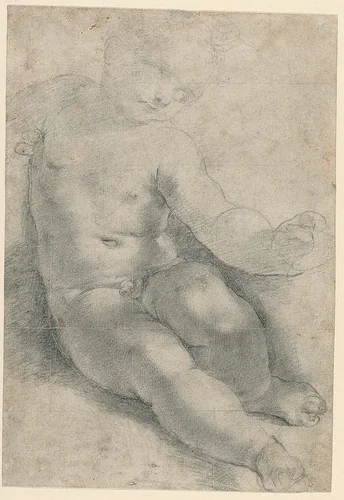
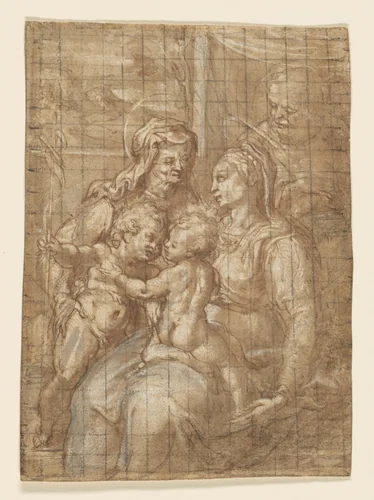
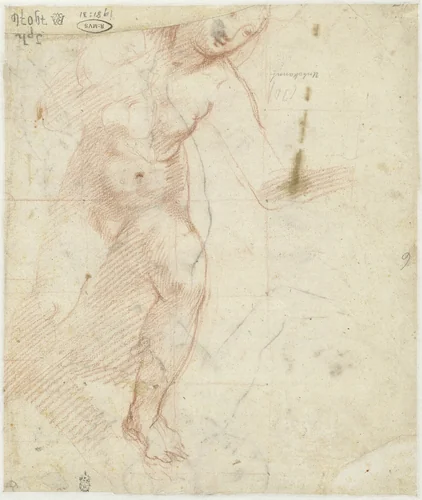
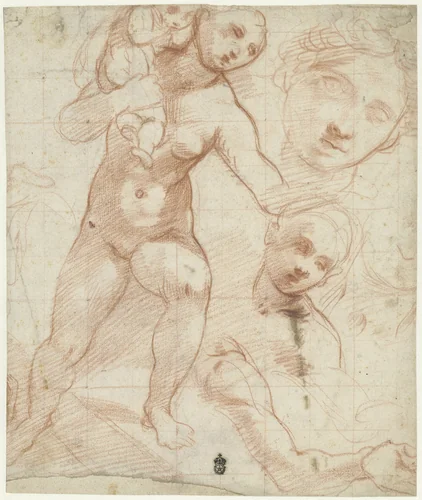
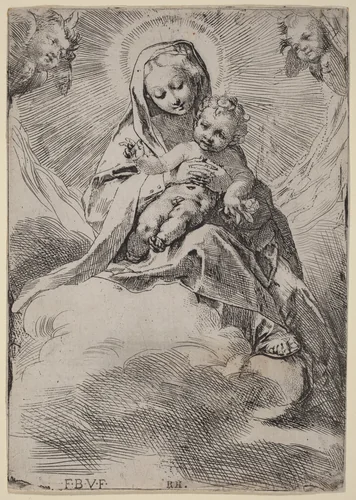
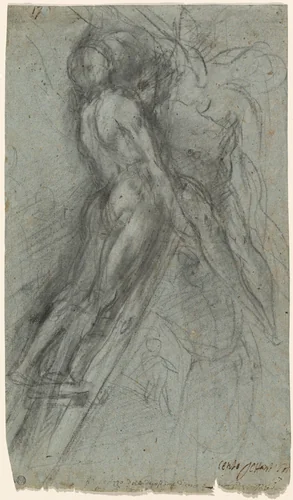
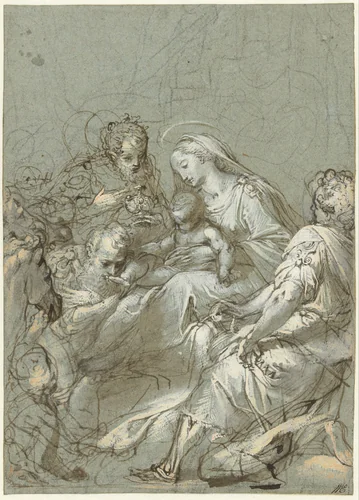
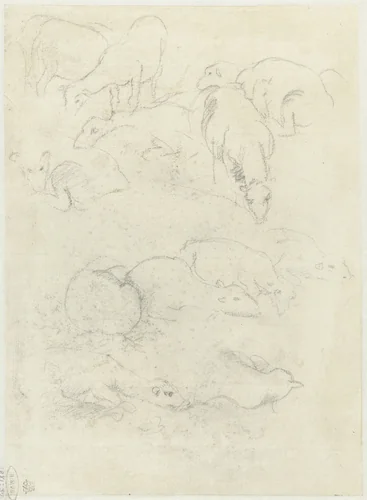
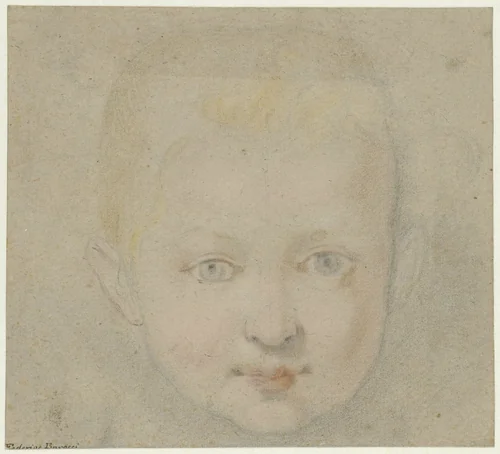
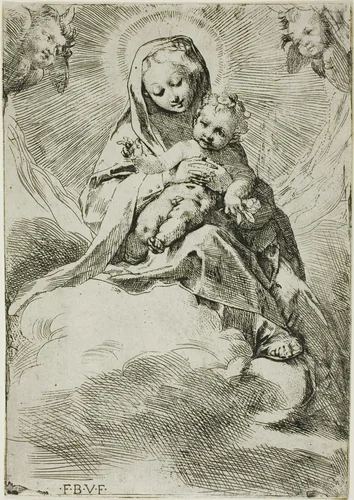
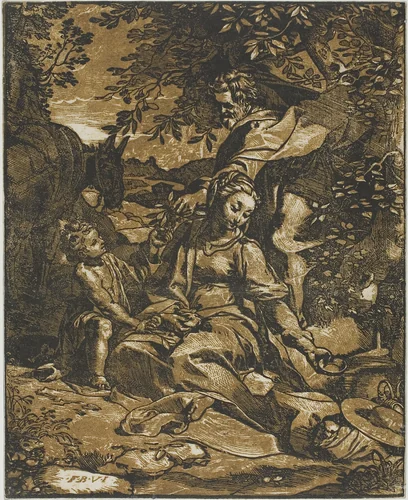
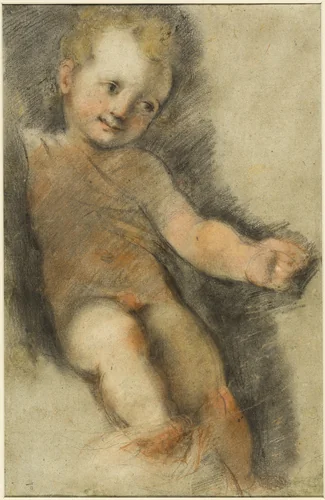
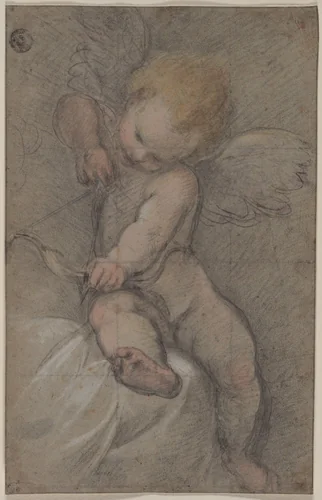
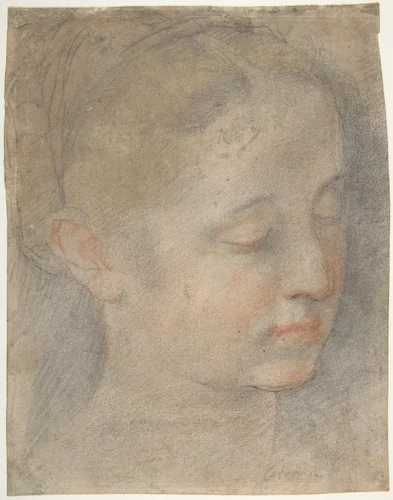
Though widely celebrated for his Federico Barocci paintings, his surviving corpus also includes a critical body of preparatory work. Eleven drawings and four known prints survive, including meticulously rendered works like the early print Aanbidding der koningen and various Figure Studies. These detailed, light-infused drawings provide invaluable insight into his precise technical process, revealing his commitment to capturing movement and expression.
It is perhaps an intriguing coincidence that the artist's nickname, Il Baroccio, is so phonetically close to the very Baroque movement he helped usher in, a subtle indicator of the inherent intensity and drama that characterized his visual contributions. Today, major institutions worldwide hold his works; examples of his museum-quality skill are housed in collections such as the Rijksmuseum, the Metropolitan Museum of Art, and the Art Institute of Chicago. Fortunately for scholars and enthusiasts, much of his visual legacy is now available as downloadable artwork through the public domain, ensuring access to high-quality prints and detailed studies for future generations.
Source: Wikipedia · CC BY-SA 4.0
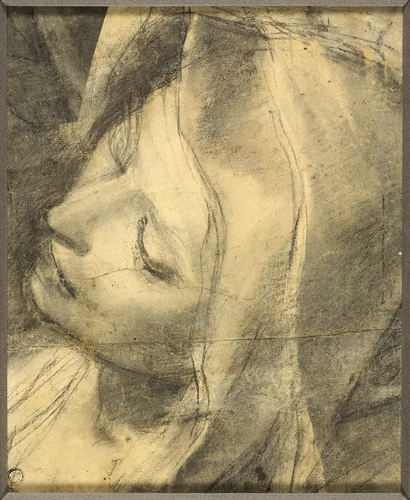
![Half-Length of Mary Magdalene [verso] by Federico Barocci, drawing, 1565-1567](https://img.artbee.org/475f00f6-de2c-424f-8662-925948f8154d/small.webp)
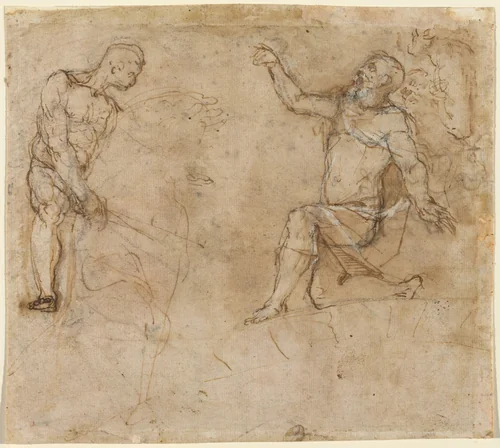
![Two Nude Youths [recto] by Federico Barocci, drawing, 1565-1567](https://img.artbee.org/6f03c807-7d20-495c-947c-0a4aeee873c7/small.webp)