F. Holland Day
F. Holland Day (1864-1900) was a pivotal American cultural figure whose influence stretched across publishing, literature, and the nascent fine art photography movement of the late nineteenth century. Operating from Boston, Day was not merely an artist but a formidable cultural impresario. He distinguished himself as an early and unapologetic proponent of elevating photography to the status of a fine art, tirelessly advocating for this recognition both through his powerful works and his extensive literary connections.
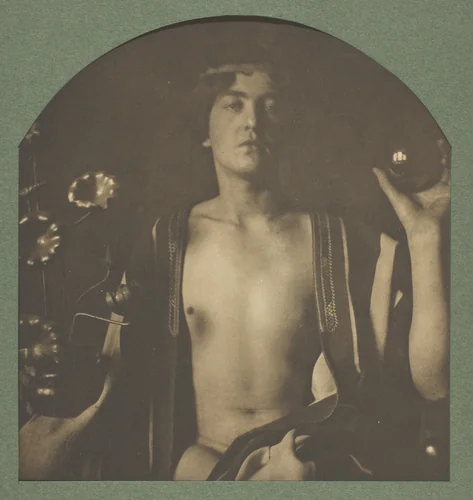
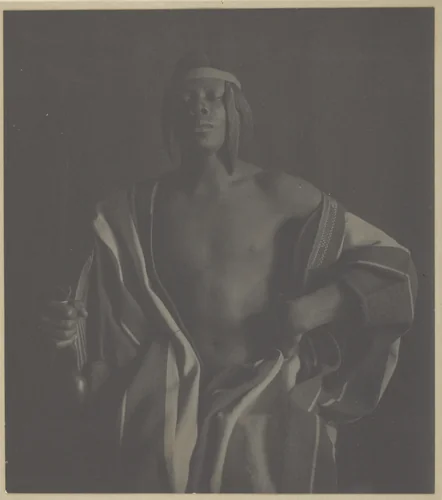
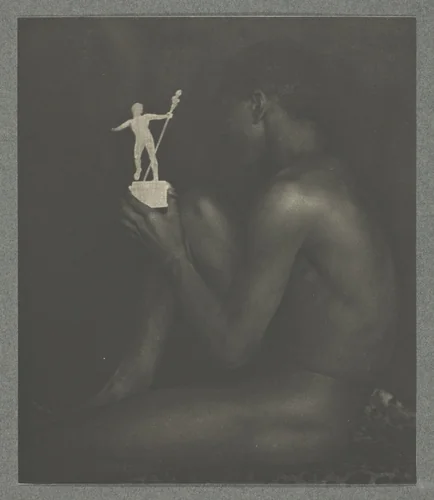
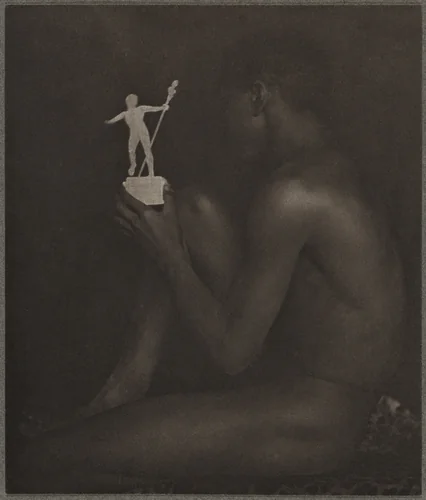
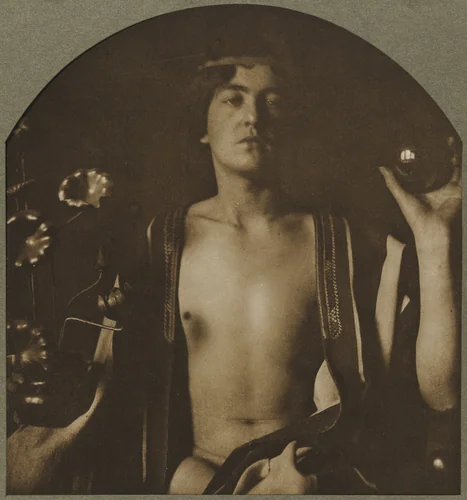
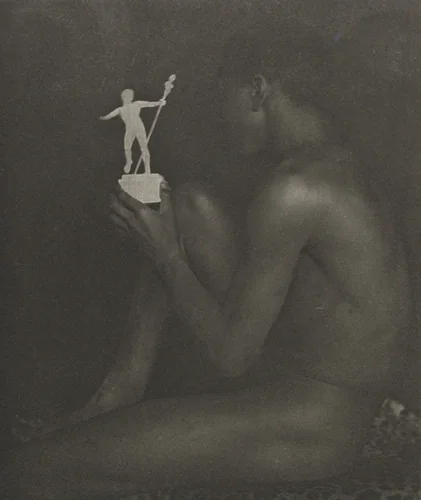
Day served as a leading voice in Pictorialism, the international movement dedicated to demonstrating the medium’s aesthetic potential. Rejecting the purely documentary function of the camera, he embraced techniques that prioritized mood, subjective interpretation, and aesthetic texture. His compositions often utilized specialized papers, careful staging, and soft focus to achieve pictorial effects reminiscent of etching or charcoal drawing. Works such as Beauty is Truth, Truth Beauty, No. 1 and Ebony and Ivory, No. 8, both included in the influential portfolio American Pictorial Photography, Series I (1899), exemplify this deliberate pursuit of beauty and calculated ambiguity.
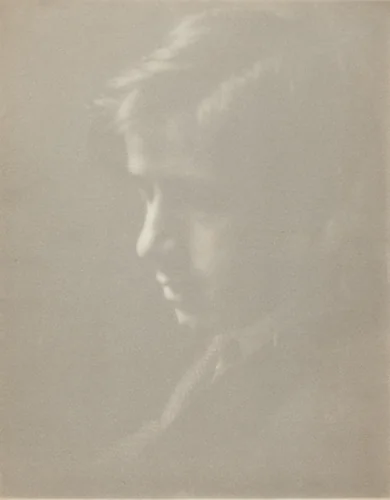
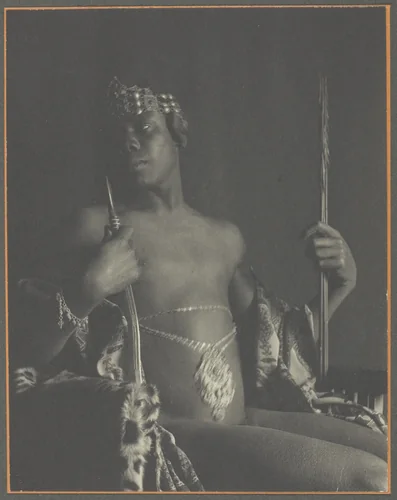
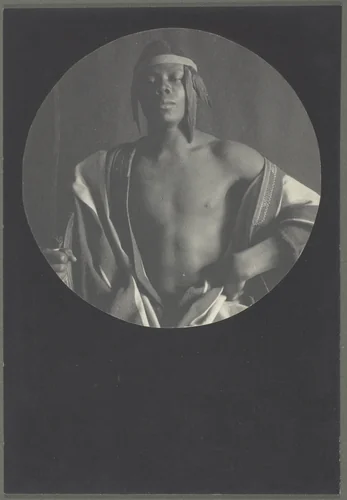
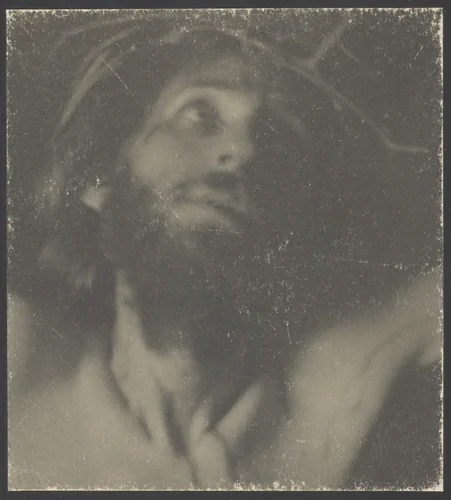
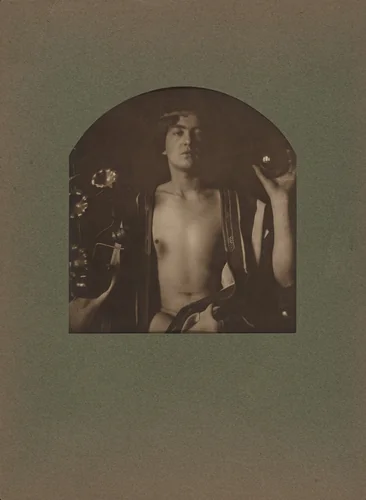
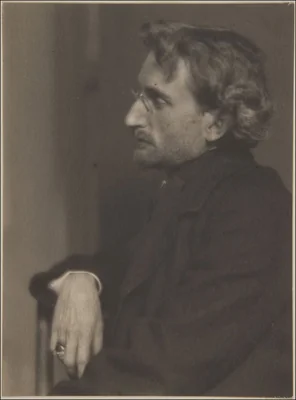
Day’s subject matter frequently explored classical themes, religious iconography, and striking psychological portraiture, often pushing against the social mores of the era. His meticulous portraits, including the study of fellow photographer Clarence H. White, demonstrate a keen attention to lighting and atmosphere, revealing a sophisticated understanding of composition. A particularly evocative subset of his catalog features studies of individuals reflecting Day’s profound interest in cultural identity, seen in arresting images like Menelek and An Ethiopian Chief. This penchant for moving beyond standard societal elites to focus on challenging, often charged subjects marks Day as perpetually restless against conventional artistic boundaries.
Day’s aggressive pursuit of institutional recognition helped lay the groundwork for modern photographic theory. Although his active period was relatively brief, his artistic legacy persists through major collections, including the Museum of Modern Art and the Art Institute of Chicago. The lasting quality of his work ensures that F. Holland Day prints remain highly sought after for scholarly study. Fortunately, many of his iconic works are now in the public domain, allowing institutions and researchers access to museum-quality photographic records, available as downloadable artwork for educational purposes.
Source: Wikipedia · CC BY-SA 4.0