F. Benedict Herzog
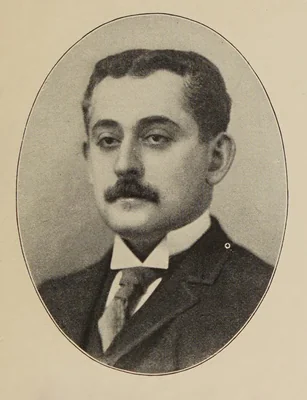
F. Benedict Herzog (1859-1912) occupied a unique and essential transitional position in American art history, simultaneously maintaining a prominent career as an electrical engineer and patent attorney while profoundly influencing the formal acceptance of photography as a fine art medium. This duality between scientific precision and romantic aestheticism defined his brief but significant tenure in the Pictorialist movement.
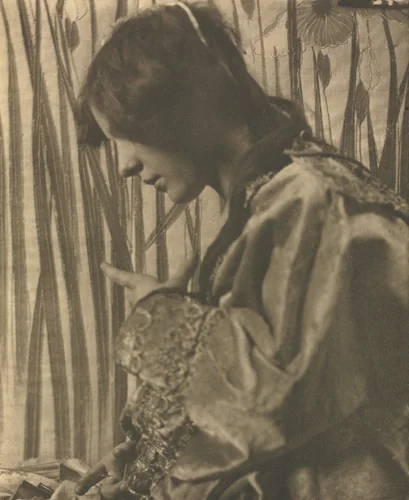
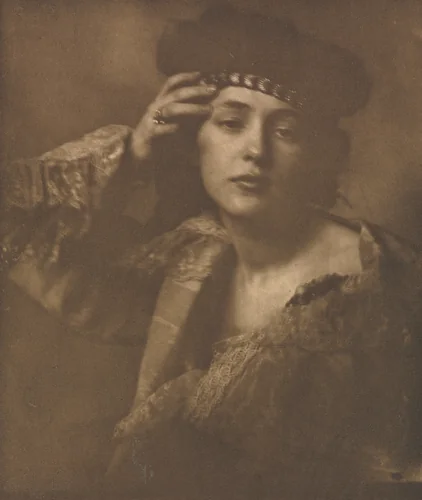
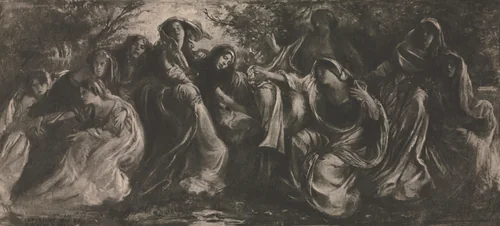
Herzog's creative output, though highly concentrated between 1905 and 1907, featured prominently across five volumes of Alfred Stieglitz’s essential journal, Camera Work. He was instrumental in demonstrating the medium’s capacity for emotional depth, often employing the soft-focus techniques characteristic of Pictorialism to evoke painterly atmospheres. His published works in the journal include the evocative compositions Angela, Marcella, and the richly atmospheric The Banks of Lethe. These photographs sought to emulate the subtle tones and narrative complexity previously reserved for graphic arts and traditional easel painting.
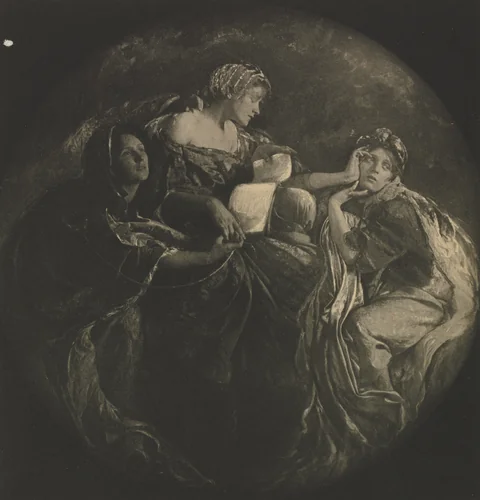
Herzog’s greatest institutional breakthrough centered on the seminal work The Tale of Isolde. The official admission of this photograph by a major American art society established a crucial legal and artistic precedent, marking the first recorded instance where a pictorial photograph was granted full equality with paintings in a sanctioned exhibition setting. This single event solidified the medium’s status beyond mere documentation and into the realm of high art, paving the way for future generations of photographers. The work, alongside 'Twixt the Cup and the Lip, demonstrates Herzog’s sophisticated handling of mythological and classical narrative themes, subjects which often require a careful balance of romance and restraint.
Beyond his technical and institutional achievements, Herzog also possessed a remarkable eye for artistic talent in others. It was Herzog who discovered and initially championed the model Audrey Munson, who would later achieve fame as "America’s First Supermodel." Although Herzog’s active artistic period was relatively short, his influence remains foundational. Today, the enduring aesthetic value of his photographic plates, held in major collections such as the Cleveland Museum of Art and widely available in the public domain, continues to inform our understanding of the period. His works are frequently reproduced as high-quality prints, allowing modern viewers to appreciate the vital role Herzog played in legitimizing photography within the American academic and museum context.
Source: Wikipedia · CC BY-SA 4.0