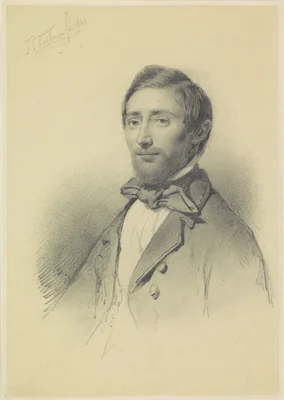
Everhardus Koster
Everhardus Koster (1805-1879) occupies a significant, if often dual-sided, position within nineteenth-century Dutch art. Active across painting and drawing from 1827 to 1869, Koster dedicated his professional output almost exclusively to maritime and riverine subjects. This specialization placed him firmly within the celebrated tradition of Dutch marine art, inheriting the visual rigor of his seventeenth-century predecessors while adapting their methods to the changing scale of the Industrial Age. His meticulous attention to the movement of water and the complexity of ship rigging earned him high regard among contemporary collectors, securing his place in national collections, including the definitive holdings of the Rijksmuseum.
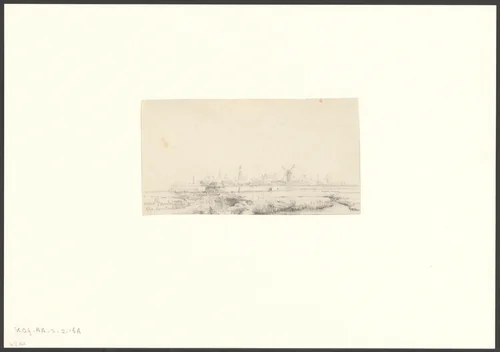
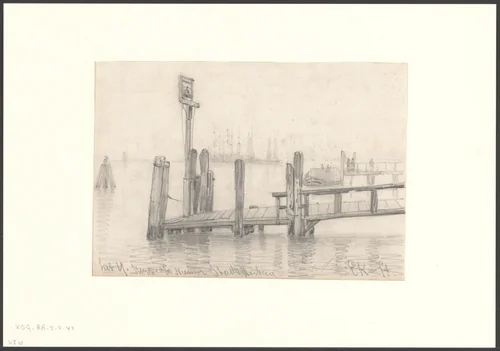
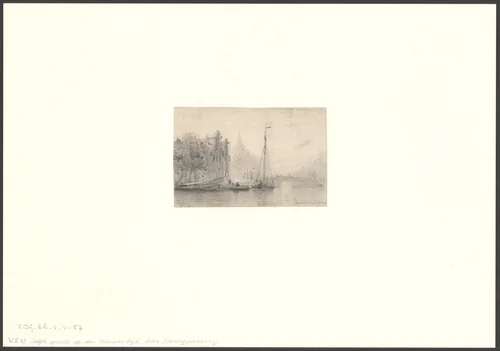
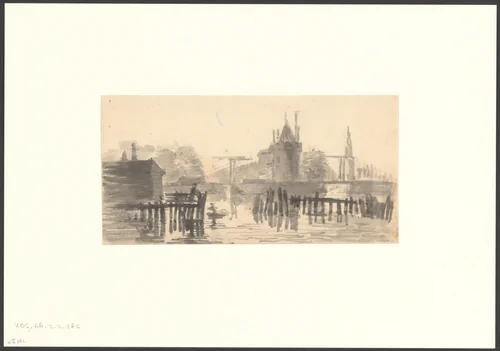
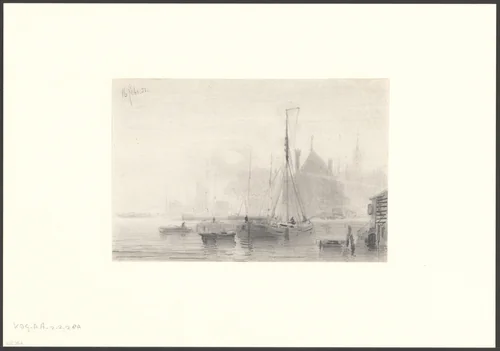
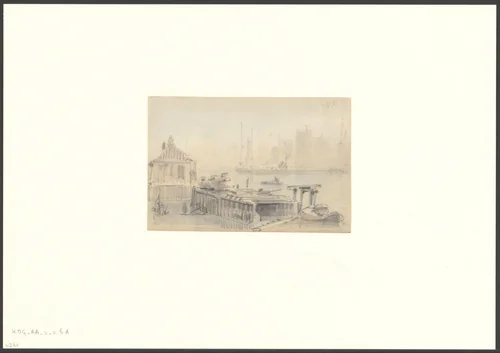
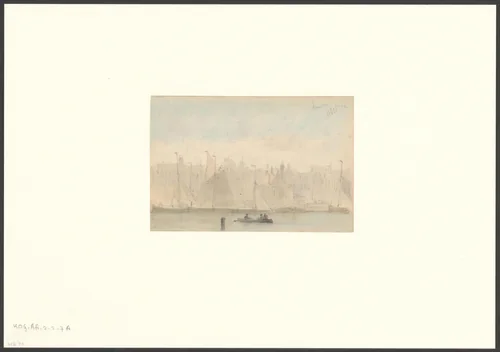
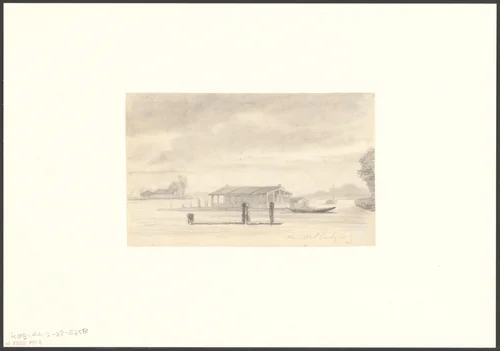
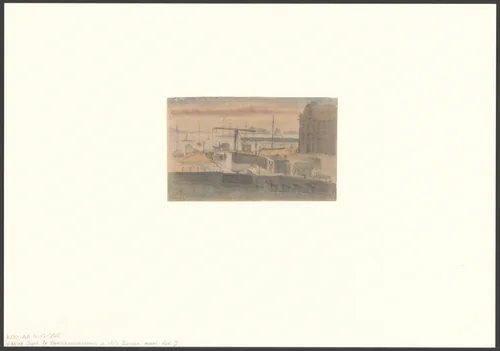
Koster’s artistic focus centered primarily on the dynamic waterways of Amsterdam and the surrounding harbors. His works serve as precise topographical and social records of a rapidly industrializing port city. Drawings like Gezicht op Volewijk and Gezicht op de Schreierstoren vanaf het IJ exemplify his commitment to visual clarity and architectural accuracy. He demonstrated particular skill in rendering complex harbor activity, detailing the interplay between commercial docks and passing vessels, as seen in Gezicht op de steiger bij de Nieuwe Stadsherberg and Gezicht op het Open Havenfront en de Prins Hendrikkade. These works transition beyond simple scenic depiction, offering detailed insights into the daily commerce sustained by the waterways.
What distinguishes Koster’s career, however, is the long-running juxtaposition of his artistic practice with his extensive administrative duties. For many years, Koster concurrently served as Director of the various state museums housed within Villa Welgelegen, the iconic neoclassical residence outside Haarlem. It is highly unusual, though perhaps fitting for the pragmatic nature of the nineteenth century, that an artist specializing in the open air and dynamic movement of the sea was simultaneously entrusted with the careful curation and institutional management of historical collections. He navigated both the exacting requirements of detailed drawing and the intricate logistics of museum administration with apparent ease, defining his legacy equally through his Everhardus Koster paintings and his lengthy curatorial tenure.
Though his working life was divided between the easel and the director’s office, Koster left a valuable body of work documenting the vital arteries of the Netherlands. Because of the foresight of early digitization efforts, many of these museum-quality depictions are now widely accessible. Today, Koster’s detailed renderings, such as Gezicht op het IJ met schepen, fall within the public domain. This means that high-quality prints and downloadable artwork derived from his original drawings are frequently sought after by historians and maritime enthusiasts worldwide, ensuring the continued appreciation of his technical skill and historical contributions.
Source: Wikipedia · CC BY-SA 4.0