Eva Wilson
Eva Wilson occupies a specialized, crucial position within the history of American material culture documentation. Active primarily between 1936 and 1937, her contributions are inextricably linked to the Index of American Design (IAD), a seminal initiative established under the Federal Art Project during the Great Depression. The Index was an ambitious effort to systematically catalogue and preserve a visual record of historical decorative arts and domestic objects spanning the seventeenth through the nineteenth centuries, thereby establishing a national archive for American design heritage.
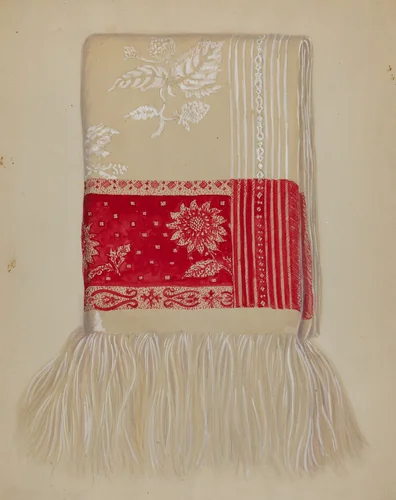
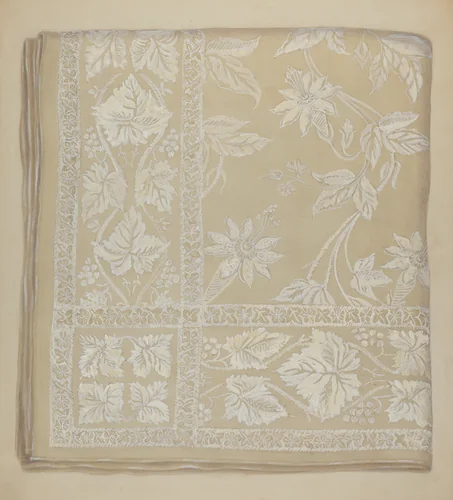
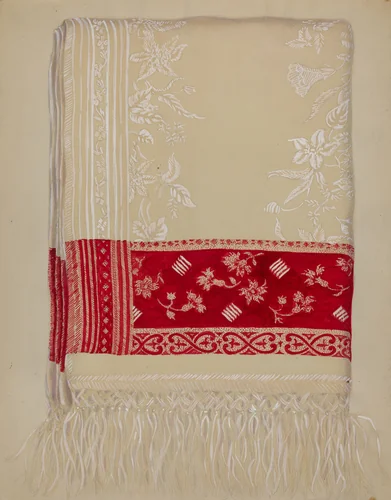
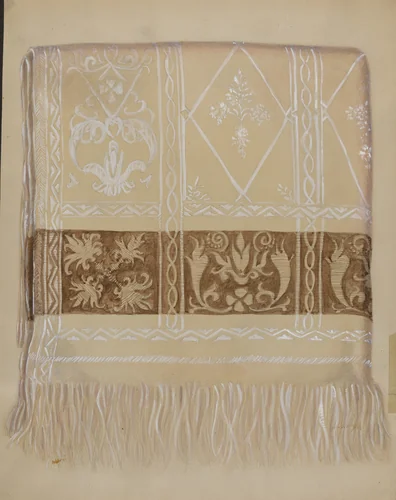
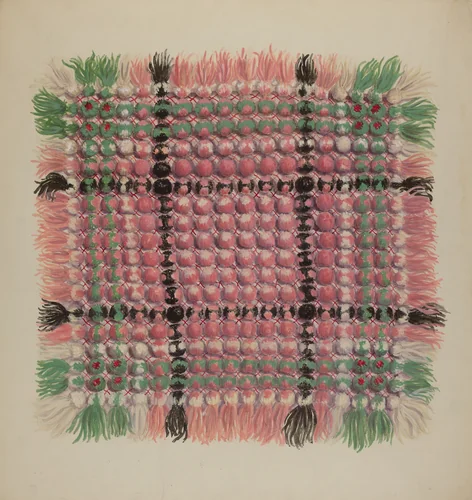
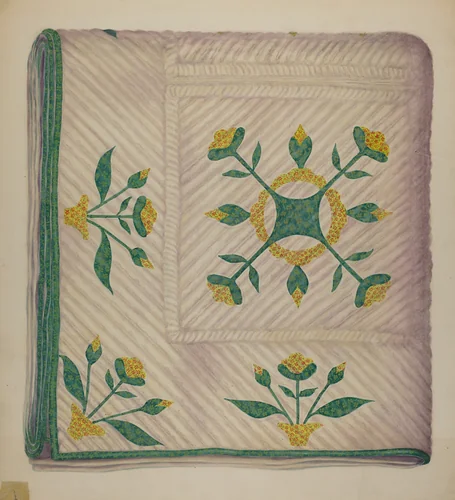
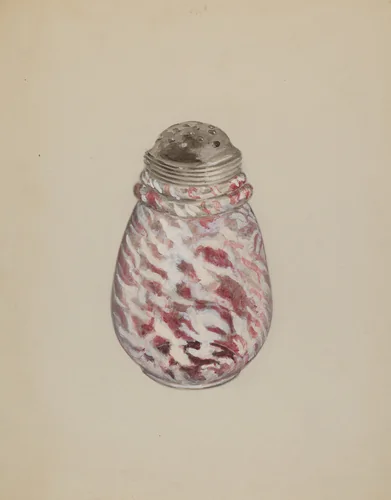
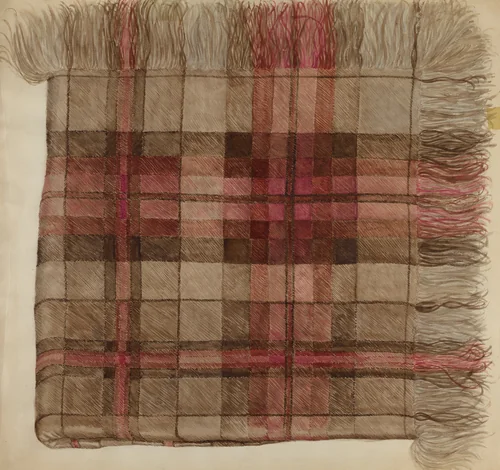
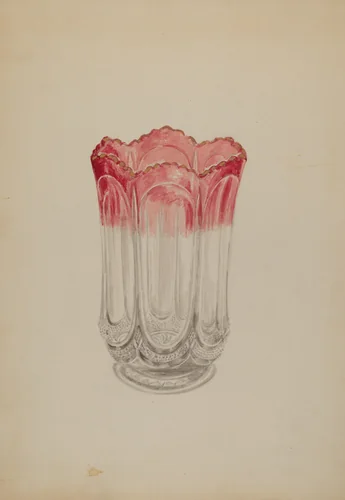
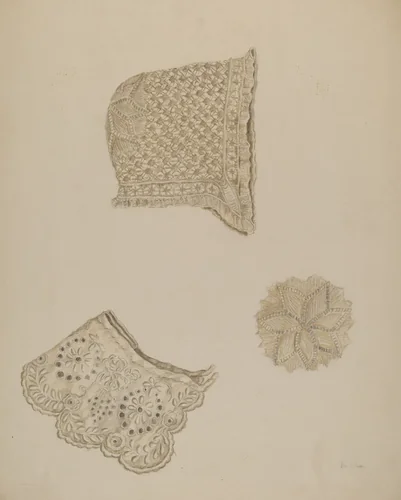
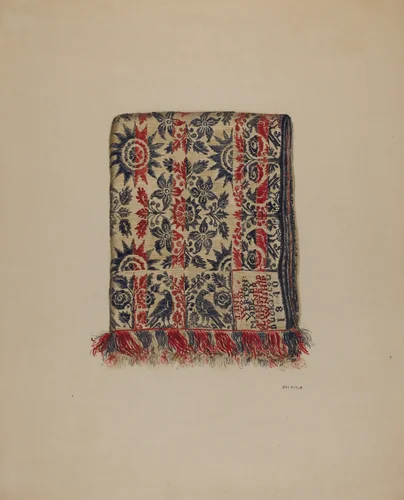
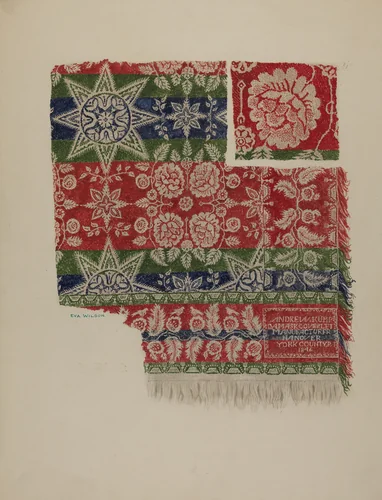
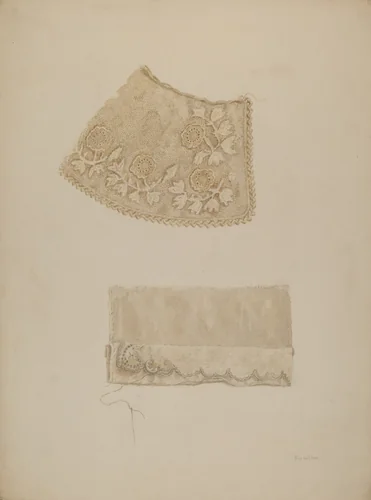
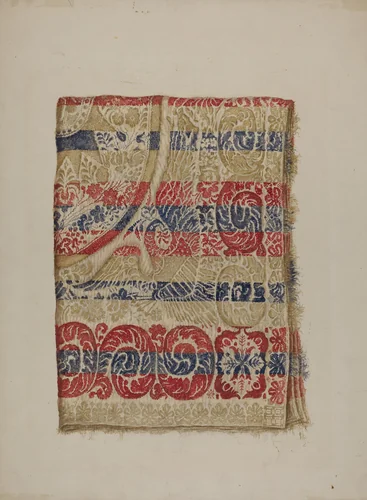
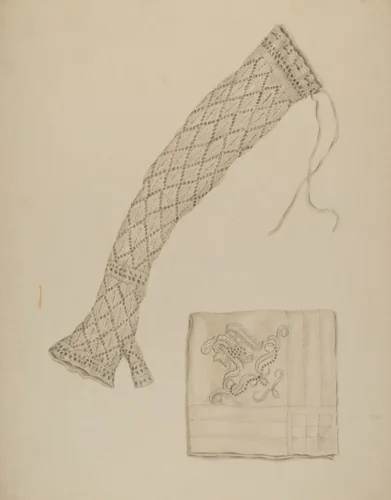
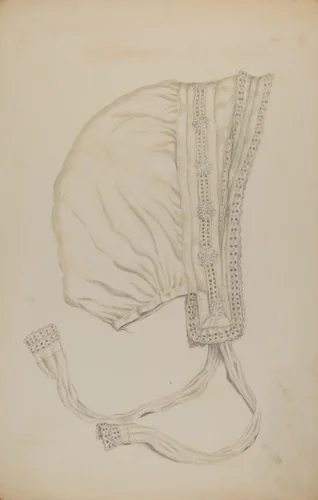
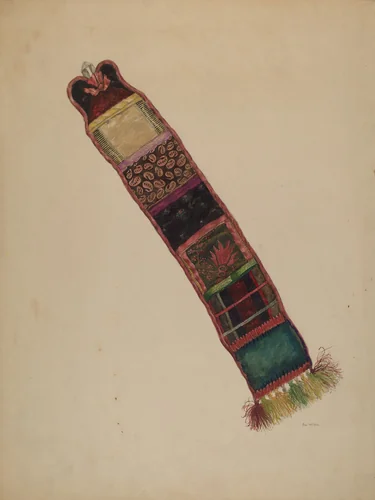
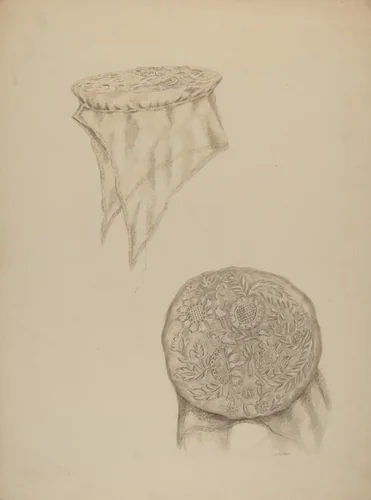
Wilson worked with exacting precision, focusing on rendering the texture, form, and intended function of objects typically categorized as utilitarian or domestic. Her portfolio demonstrates technical proficiency across diverse media, capturing both the reflective surface quality of glass and the woven intricacies of textiles. Key documented works include the delicate illustration of a Bon Bon Dish, the robust geometry rendered in the Coverlet (Plaid), and the detailed representation of a Goblet.
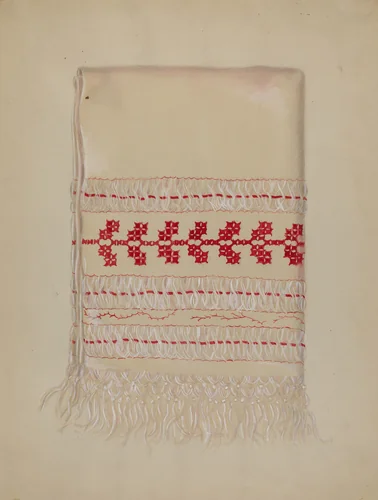
Her attention to detail provided foundational source material for the IAD, a project which ultimately produced thousands of meticulously drawn plates intended for educational and commercial use. Wilson’s careful studies, such as the two versions of the Linen Towel - Flower Design, reveal a quiet appreciation for the aesthetics embedded in daily domestic life, elevating the functional to the level of art.
The ultimate aim of the IAD was to make American design heritage accessible. This effort secured the longevity of Wilson’s work, ensuring that her detailed visual cataloging remains available to contemporary researchers. Today, the entirety of this collection resides in the National Gallery of Art, Washington D.C., confirming the works’ museum-quality status and cementing her role in documenting national craft. Her contributions, made freely available in the public domain, continue to serve as a resource for those seeking high-quality prints and historical information on early American material culture.