Europe
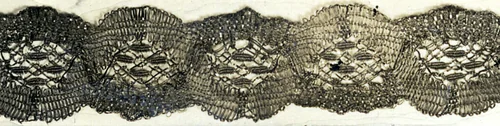
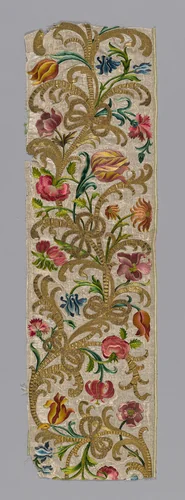
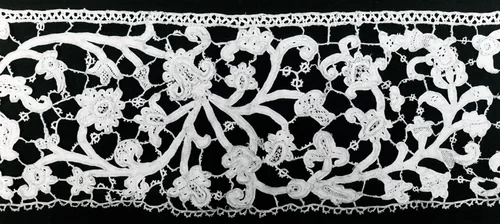
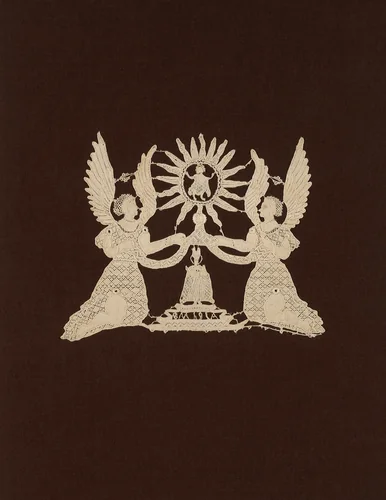
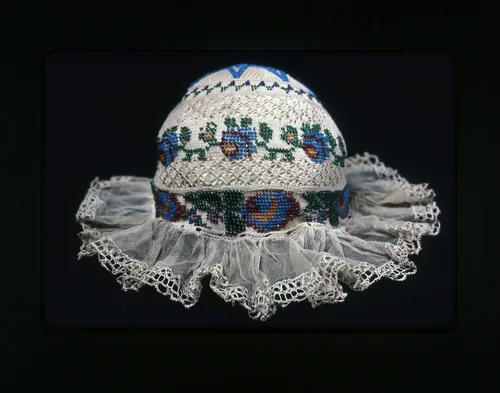
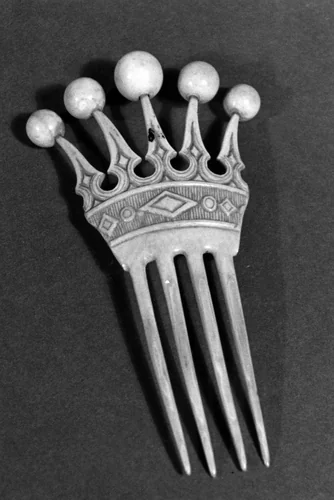
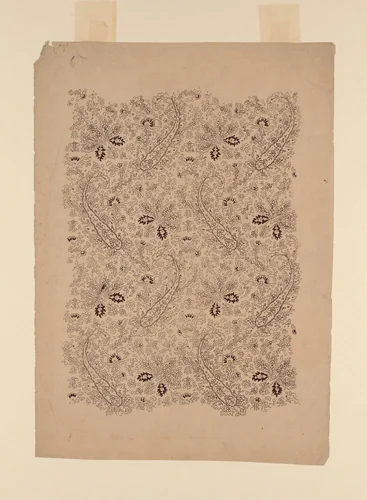
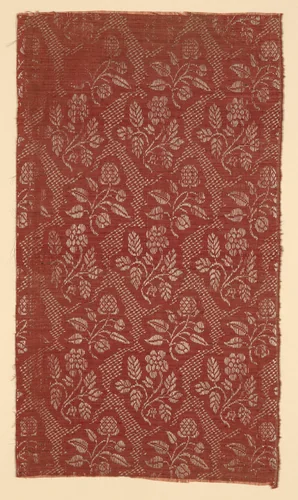
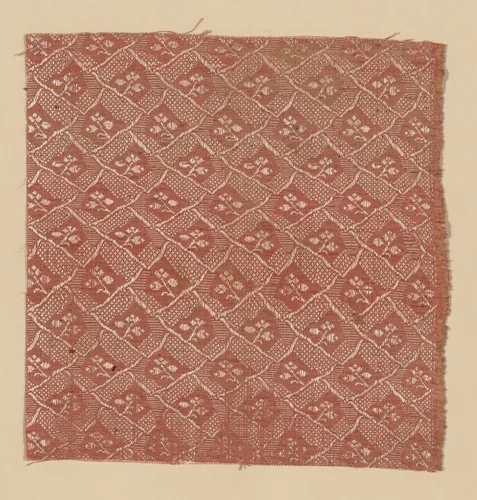
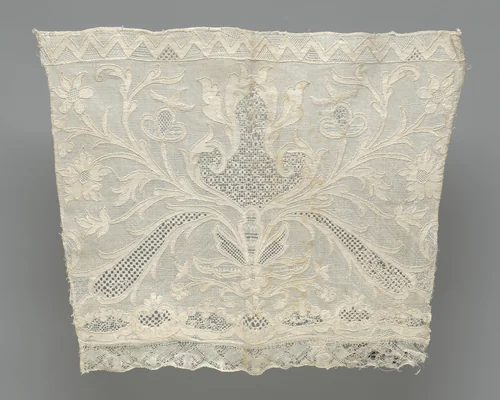
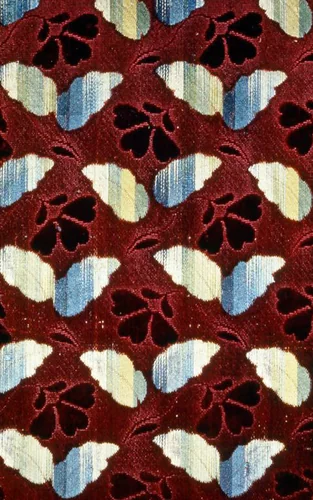
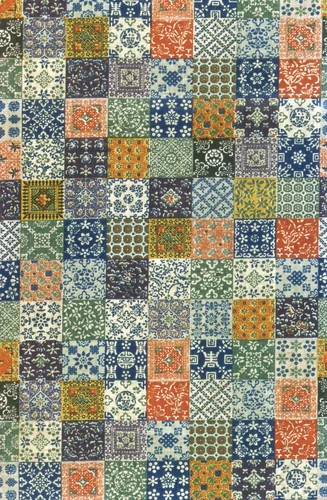
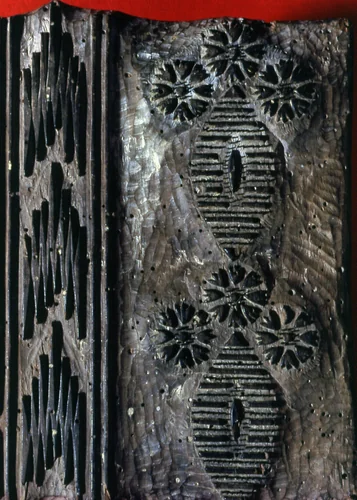
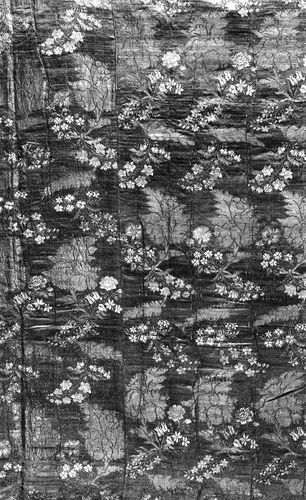
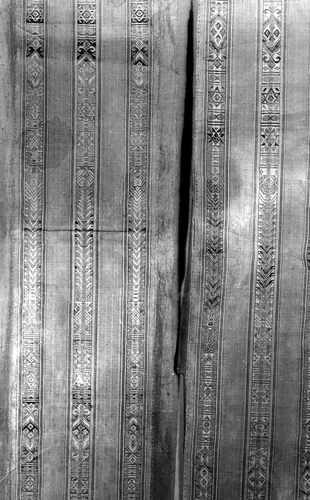
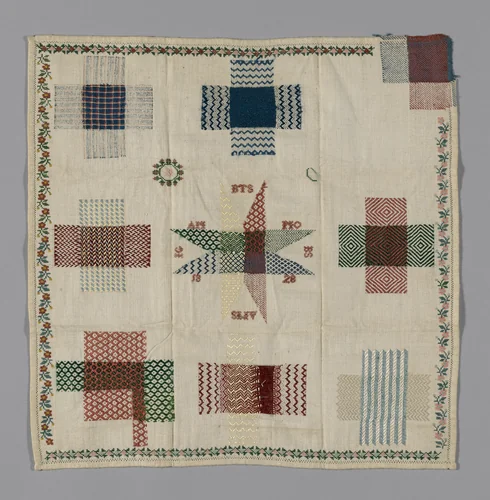
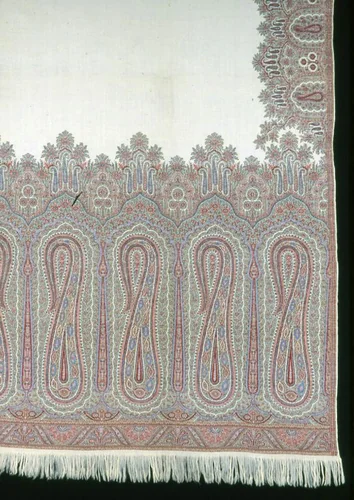
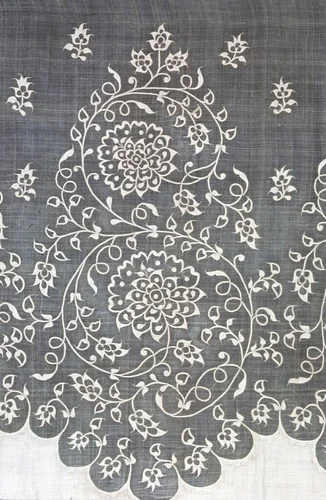
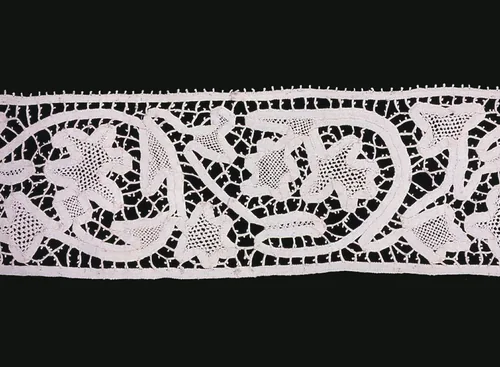
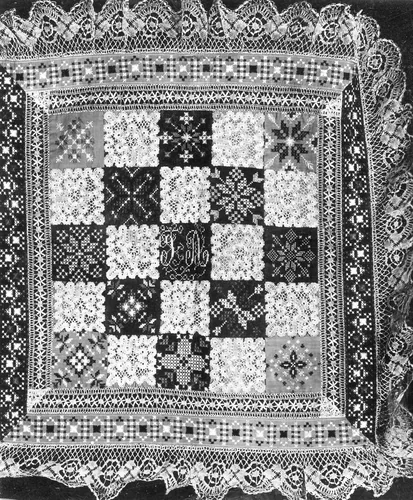
Europe's remarkable, though physically scarce, output during the crucial period of 1501-1650 cemented its reputation as a leading innovator in high-relief weaving and decorative fiber arts. Documented holdings include 15 extant textiles, securing the studio's legacy in major institutions such as the Art Institute of Chicago. Though five of these works are identified only as "Fragment," they offer significant insight into the technological sophistication required for these museum-quality creations, illustrating the complexity of early modern fiber techniques.
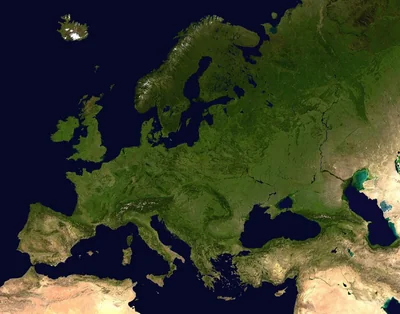
The firm’s stylistic orientation was defined by its conceptual location, primarily drawing from the technical traditions centered entirely in the Northern Hemisphere and leveraging the material richness associated with the Eastern Hemisphere. This geographical designation speaks less to physical origin and more to the specific stylistic parameters the studio accepted and rejected. The theoretical boundaries of the Europe oeuvre were clear: bounded by the ‘Arctic Ocean’ to the north and the expansive, often fluid influence of the ‘Atlantic Ocean’ to the west. This defined separation allowed the studio to maintain a distinctive identity, even while simultaneously acknowledging the shared structural framework of ‘Eurasia’ with the techniques of Asia, and drawing peripheral influence from ‘Afro-Eurasia’ in certain dye compounds.
A subtle but crucial dividing line in their approach, often referred to by contemporaneous critics as the 'Ural Watershed,' marked the definitive separation of Europe’s highly structured, formal execution from the looser, more expressionistic styles of the East. This formal partition continued via the conceptual lines of the Ural River, the Caspian Sea, and the Black Sea, establishing a robust aesthetic boundary that ensured their work maintained a distinct European identity. While the original textiles are rare, the surviving details are increasingly being made available as downloadable artwork for scholarly study, with many collections prioritizing the creation of high-quality prints for broader public access, often under royalty-free terms. The persistence of these fragments underscores the sheer material ambition of this influential, yet elusive, workshop.
Source: Wikipedia · CC BY-SA 4.0