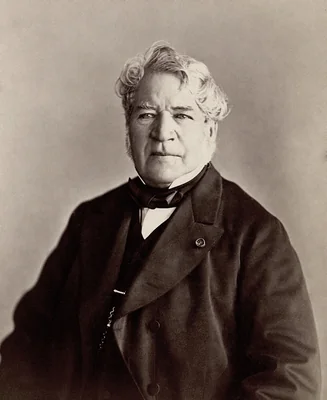
Eugène Isabey
Eugène Louis Gabriel Isabey (1803–1886) was a central, yet often underestimated, figure in the French Romantic movement. Proficient across oil painting, watercolor, and lithography, Isabey was instrumental in advancing marine painting during the mid-nineteenth century. His prolific output, spanning the years 1801 to 1824, coincided with significant shifts in both public taste and print technology, positioning him as a transitional master whose work foreshadowed later developments in the handling of light and atmosphere.
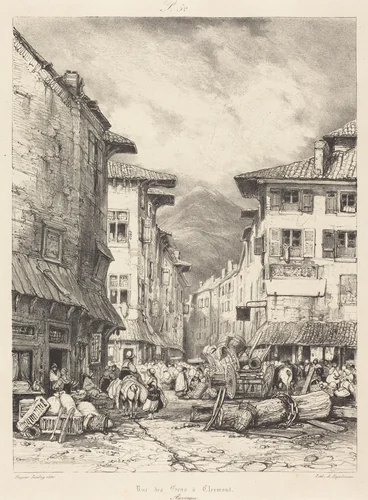
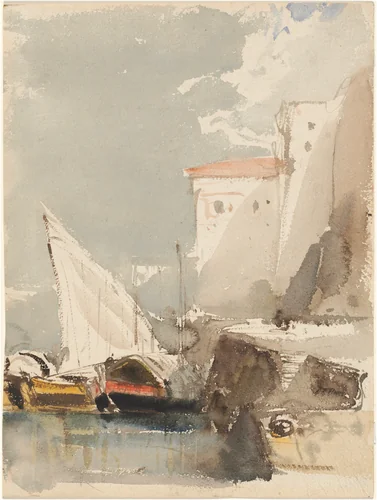
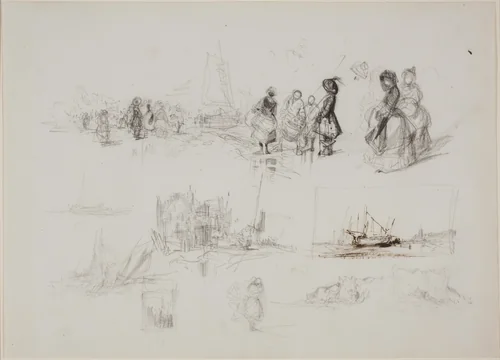
While Isabey created substantial oil paintings, his technical brilliance is often best appreciated in his graphic work. As a lithographer, he embraced the medium's capacity for rapid distribution and rich tonal depth, producing dramatic, high-contrast scenes that appealed directly to the Romantic sensibility. Works like Shipwreck exemplify his mastery of volatile atmosphere and immediate human drama. His highly regarded watercolors, characterized by their fluidity and luminescence, further cemented his reputation as a versatile innovator, demonstrating a crucial bridge between the immediacy of the preparatory sketch and the formal qualities of the finished exhibition piece.
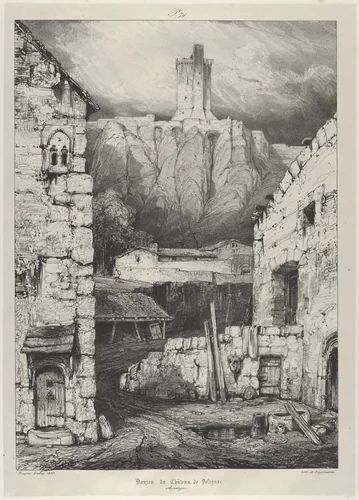
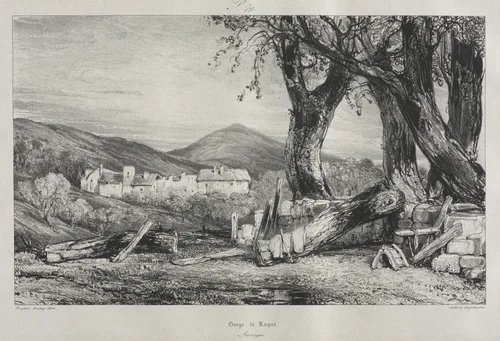
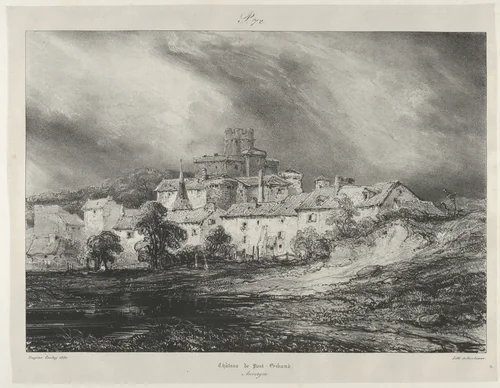
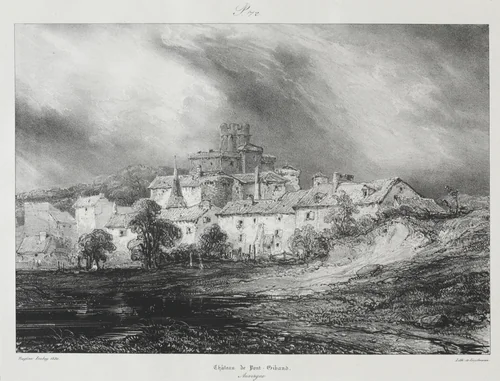
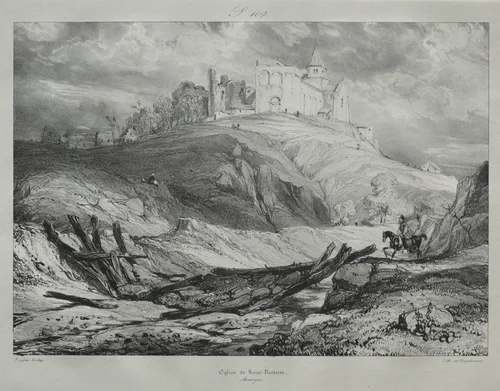
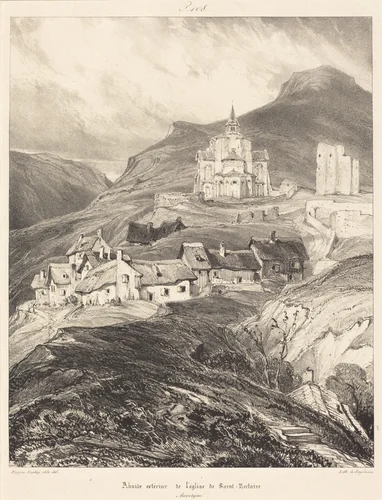
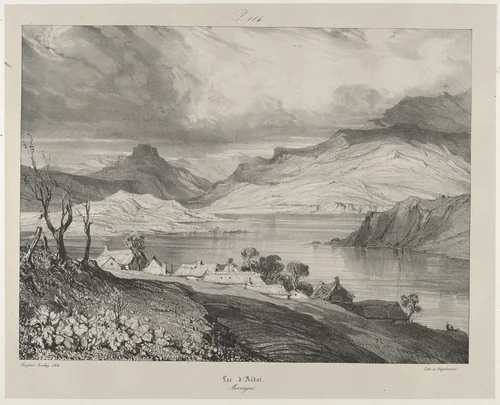
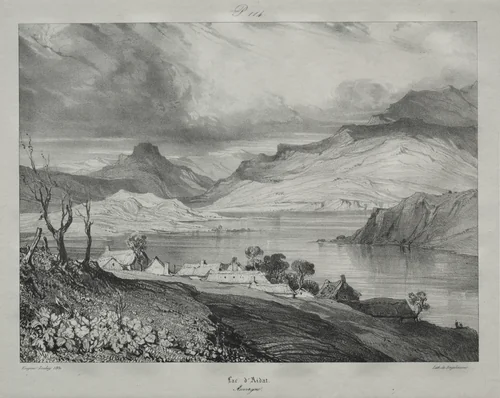
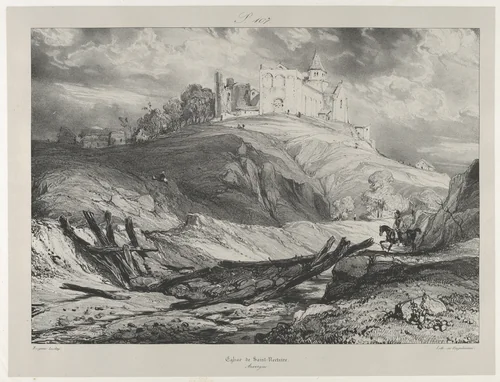
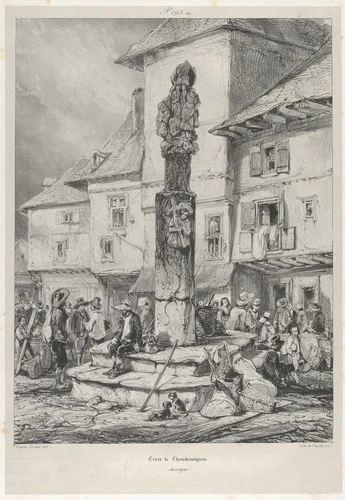
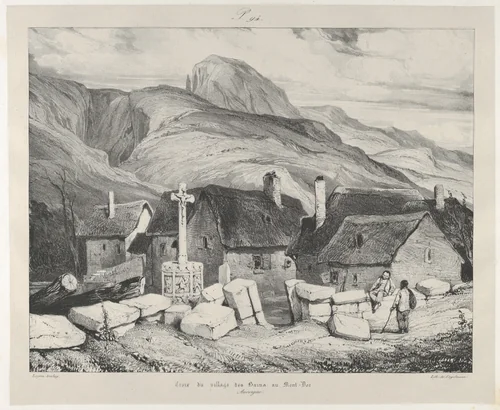
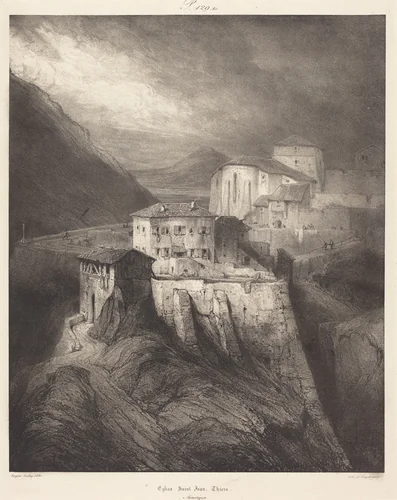
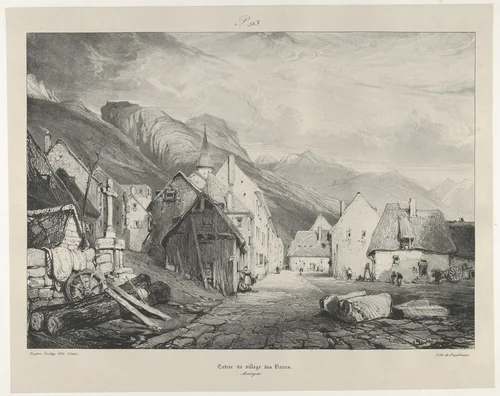
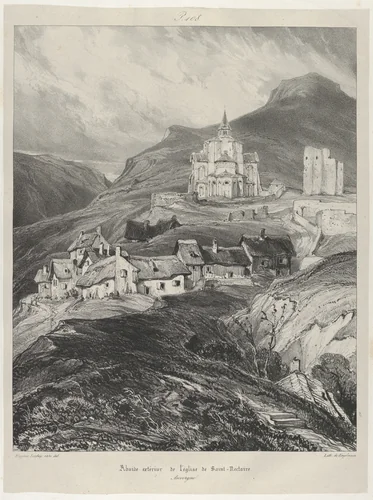
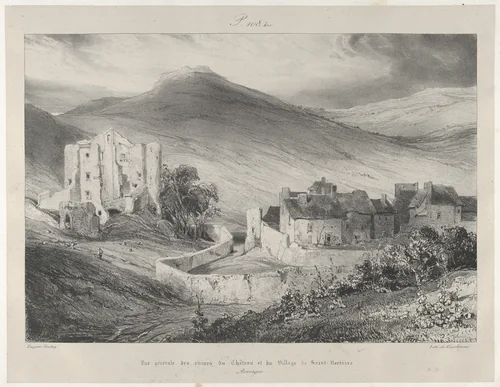
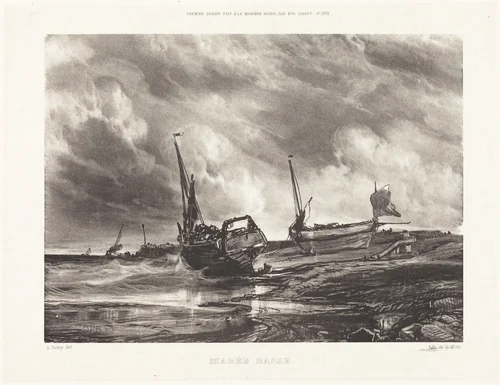
Isabey specialized in coastal and architectural views, often selecting sites that suggested antiquity or imminent danger. He maintained a particular, and perhaps slightly mischievous, fascination with meteorological distress. His coastal compositions, such as Fishing Boats Tossed before a Storm and the topographical study Environs de Dieppe, are less concerned with strictly accurate geographical depiction and more focused on capturing the mood of the sea when agitated. Similarly, his architectural studies, including the striking renderings of Château de Pont-Gibaud, convey a deep preoccupation with surface texture and the aesthetic impact of the passage of time.
Isabey’s influence extended to younger generations of artists who sought dynamic methods for capturing movement and transient light. Today, his significant oeuvre is held in major international institutions, including the National Gallery of Art, the Cleveland Museum of Art, and the Rijksmuseum. These museum-quality works remain essential viewing for understanding nineteenth-century French Romanticism. Furthermore, many of the artist’s finest drawings and Eugène Isabey prints are now in the public domain, allowing researchers and enthusiasts globally to access downloadable artwork and produce high-quality prints for study and collection.
Source: Wikipedia · CC BY-SA 4.0