Eugene Croe
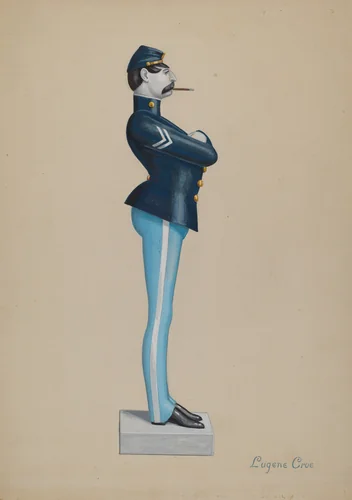
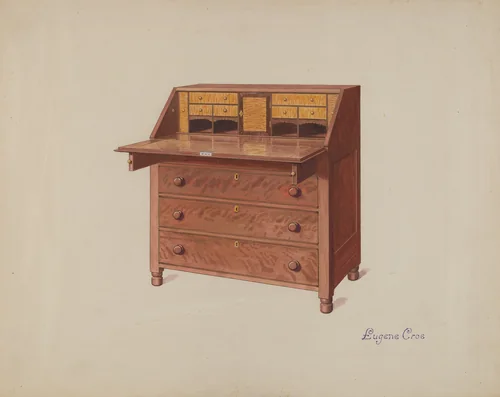
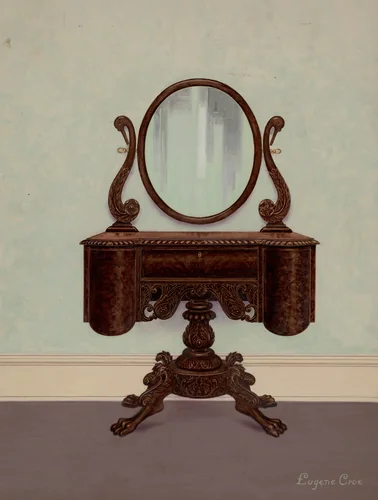
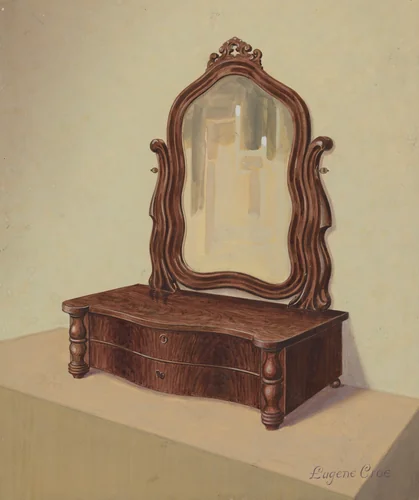
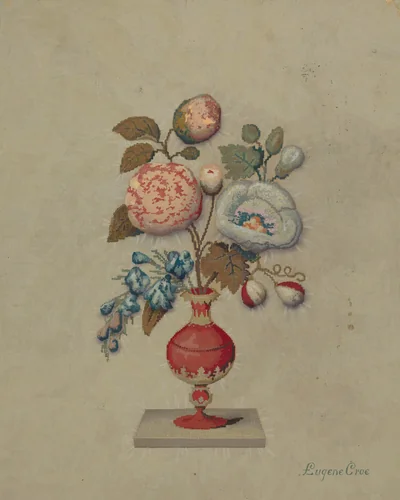
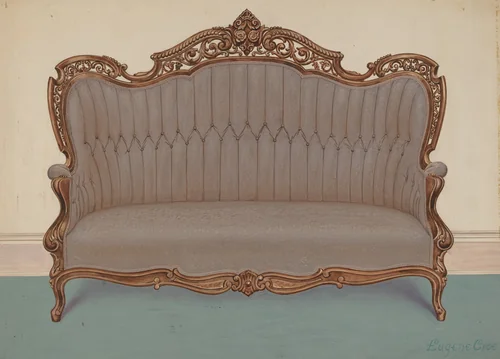
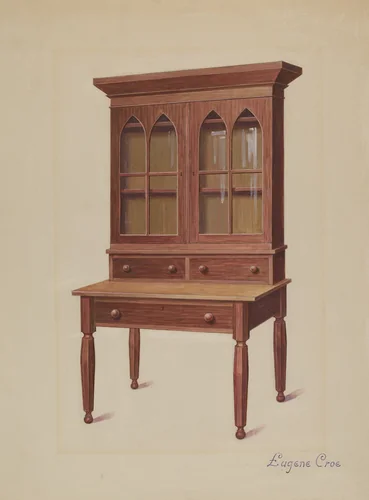
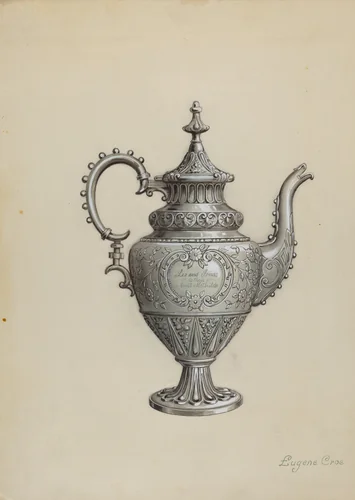
Eugene Croe was an artist active during a concentrated period between 1935 and 1936. Croe specialized in producing detailed graphic documentation for the Index of American Design, a major federal initiative dedicated to creating accurate visual records of American decorative, folk, and mechanical arts from the colonial era through the end of the nineteenth century.
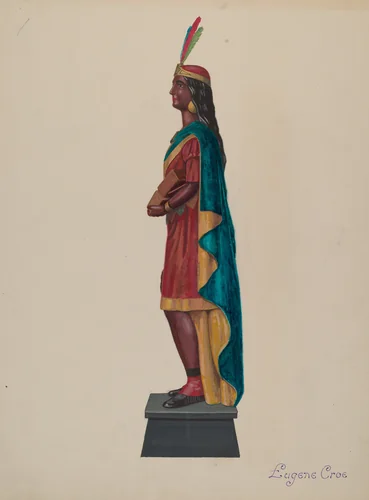
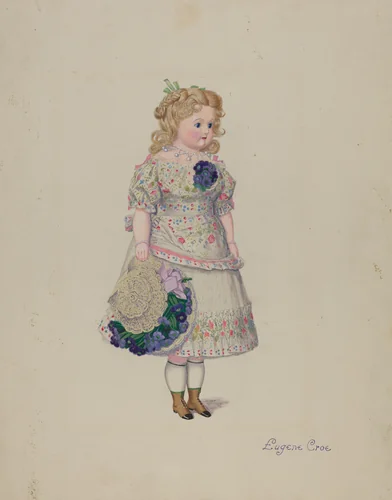
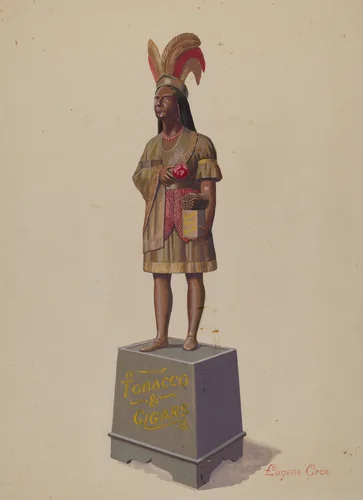
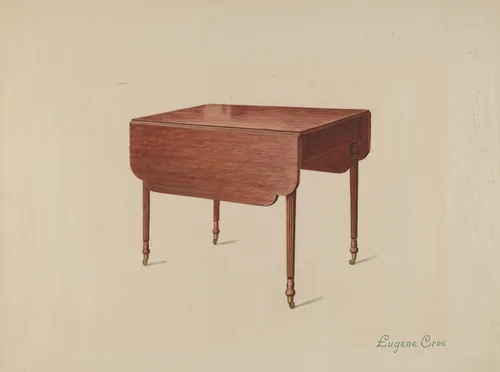
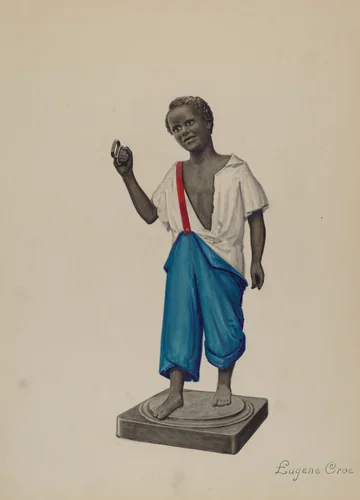
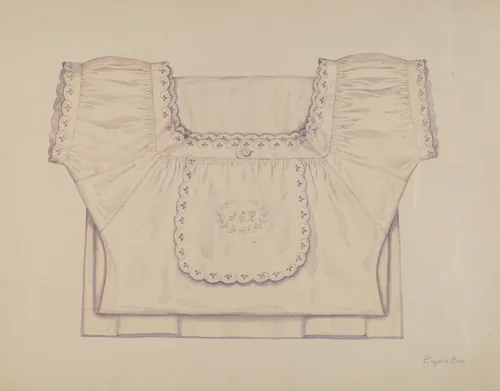
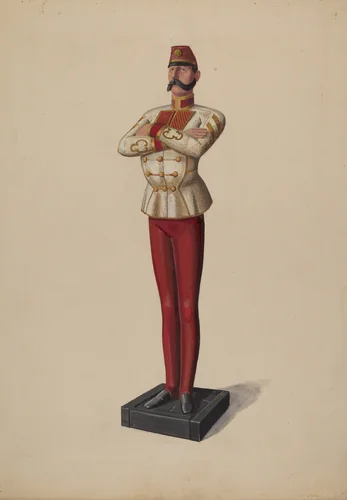
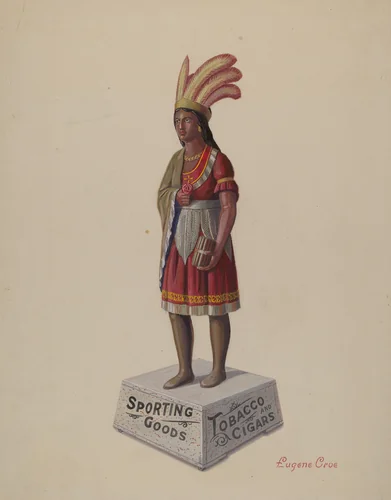
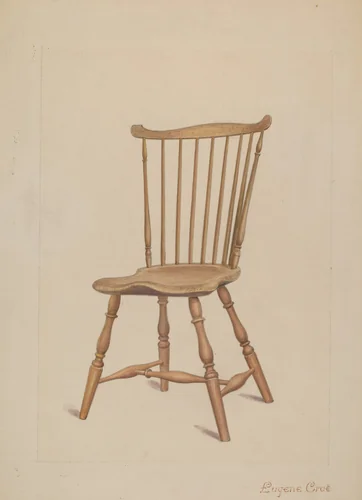
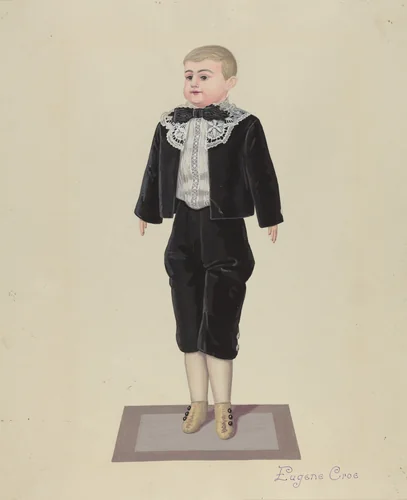
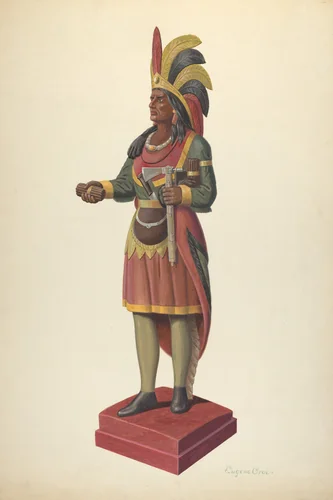
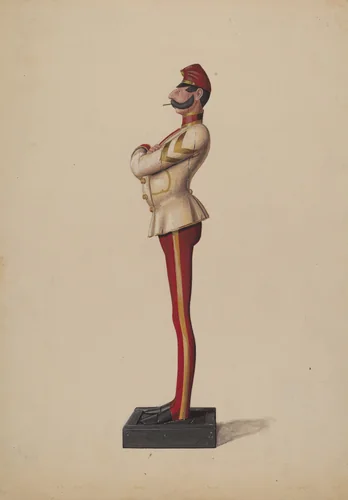
The objective of Croe’s work was rigorous, detailed observation rather than original artistic creation. Fifteen index of american designs documented by Croe are preserved in major institutional collections, focusing primarily on vernacular objects, folk carvings, and items of domestic and industrial design. Key pieces represented include the iconic folk art carvings of the Cigar Store Indian and the Tobacco Store Figure, as well as a drawing of a Doll. Croe also recorded essential items of American craft, such as the General Cass Table and a Cast Iron Hitching Post.
Croe’s legacy is preserved through these careful documentation records. The resulting Eugene Croe prints and drawings are held in the permanent collection of the National Gallery of Art, forming an important resource for the study of material culture. As works produced for a federal project, many of these documentation sheets are now in the public domain and available as high-quality prints, ensuring continued access to early American design history.