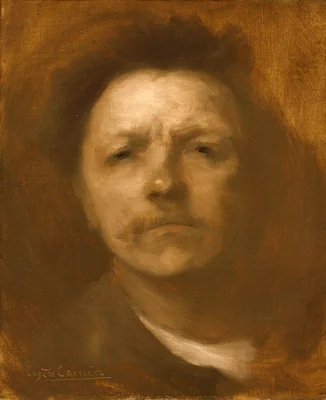
Eugène Carrière
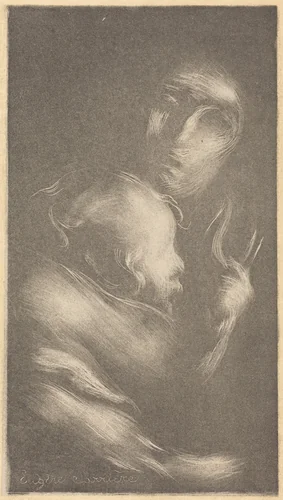
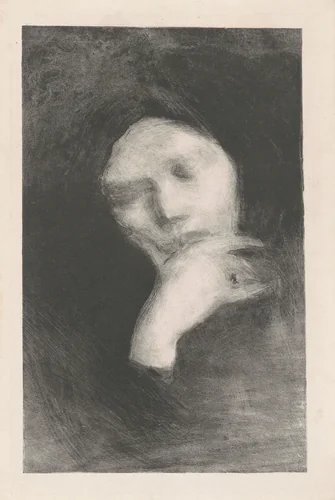
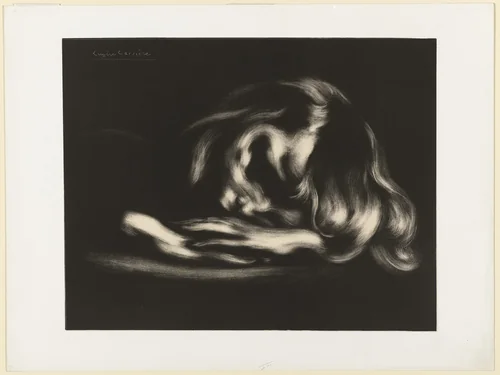
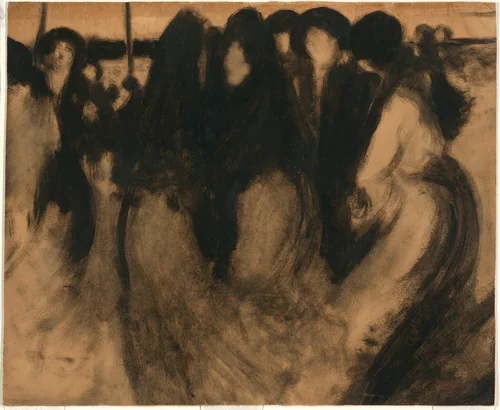
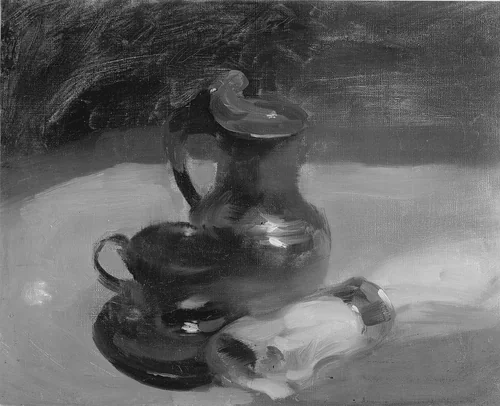
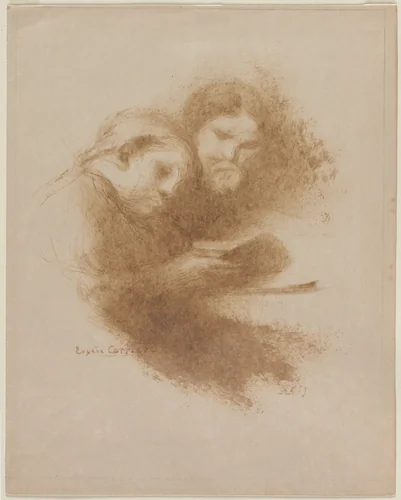
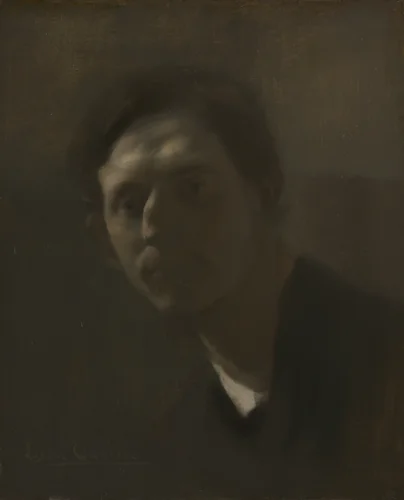
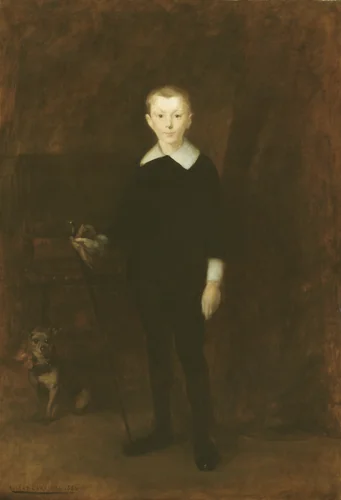
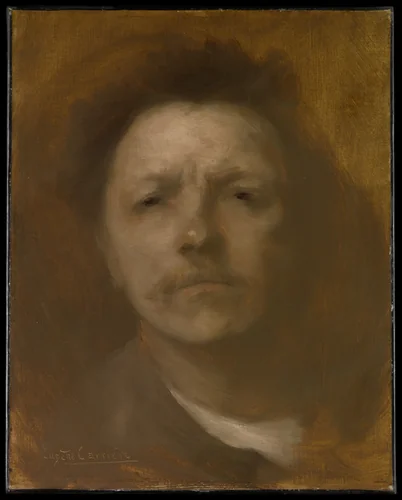
Eugène Carrière (1849-1906) was a central figure in French Symbolism during the fin-de-siècle. Working actively across painting, prints, and drawing, his oeuvre is instantly recognizable for its radical use of a restricted, near-monochrome brown or sepia palette. This stylistic choice, which became his definitive signature, dissolved traditional outlines and created an ethereal, dreamlike atmosphere that perfectly encapsulated the mystic and psychological concerns of the era.
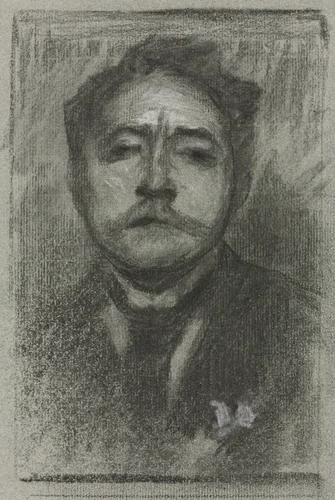
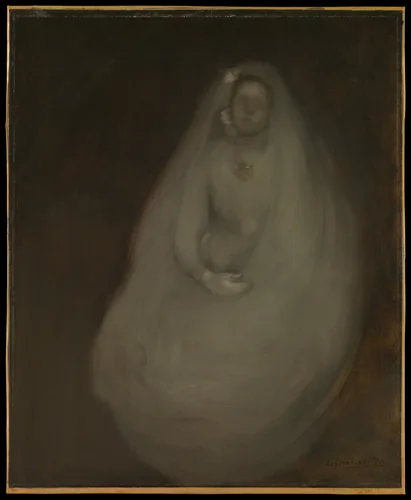
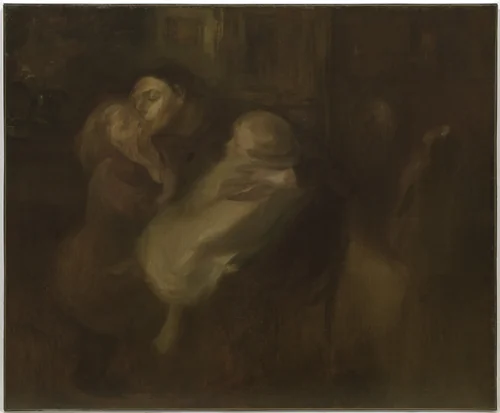
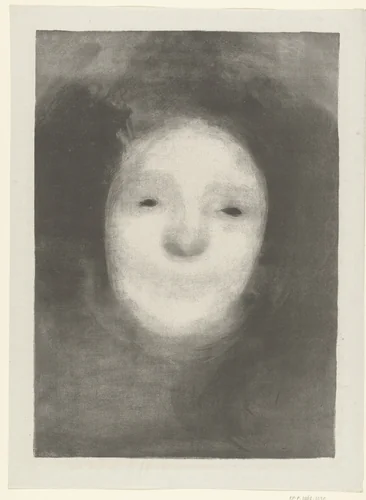
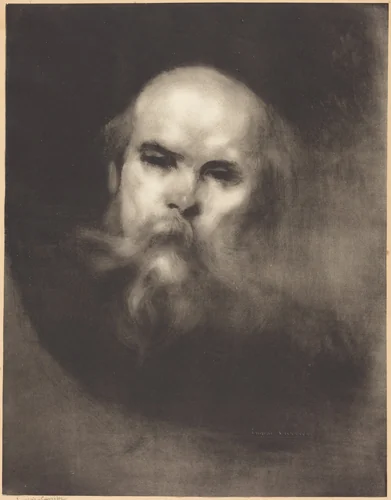
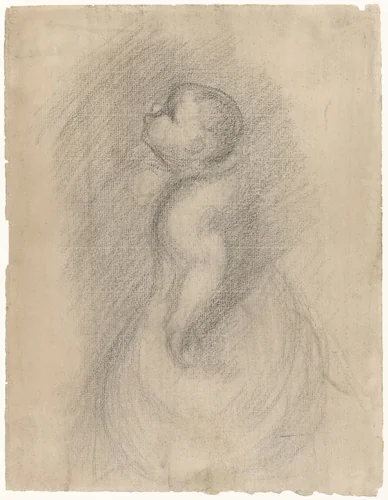
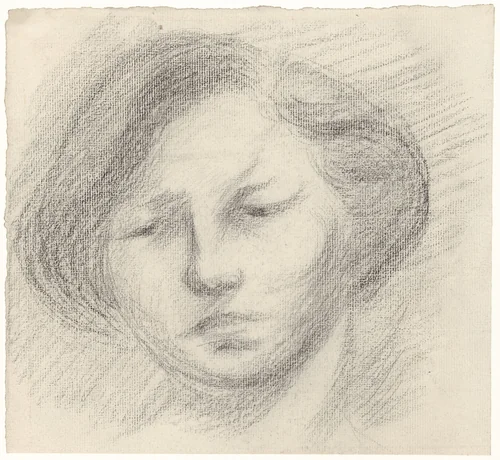
Carrière specialized in intimate domestic scenes and deeply psychological portraiture. His works, such as the iconic Maternity and the contemplative Meditation, appear suspended in a vaporous haze, often achieved through subtle gradations of brown grisaille. This technique elevated the emotional core of the sitter above mere physical reality, emphasizing mood and spirituality over physical documentation. Whether capturing the tender vulnerability of a child in Baby, van opzij gezien or documenting literary friends like Paul Verlaine in a celebrated portrait, his approach granted his subjects a profound spiritual dignity.
Carrière's influence extended across the nascent modern art world. He was a close confidant of the sculptor Auguste Rodin, and he maintained significant intellectual proximity to leading literary figures, including Paul Verlaine, Stéphane Mallarmé, and Charles Morice. Curiously, despite his aesthetic radicalism, Carrière possessed a reputation for great personal warmth and public engagement, qualities sometimes overlooked in the more solitary mythos of the Symbolist artist.
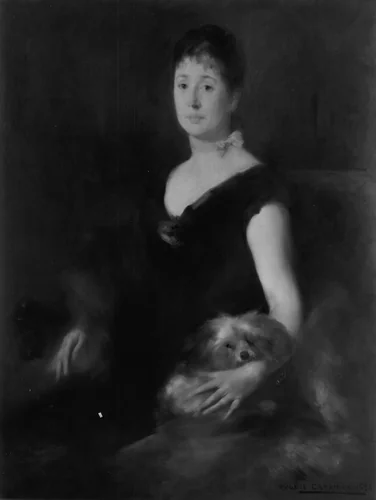
The lasting significance of Eugène Carrière paintings is evidenced by their presence in major international collections, including the Museum of Modern Art, the Rijksmuseum, and the Metropolitan Museum of Art. His distinctive vision provided a powerful bridge between the fading academic tradition and burgeoning Modernism; indeed, scholars frequently cite his limited color register as a likely precursor influencing the melancholic tonalities of Pablo Picasso’s foundational Blue Period. Today, many important examples of Eugène Carrière prints and drawings are held in the public domain, offering opportunities for researchers and collectors seeking high-quality prints of his work.
Source: Wikipedia · CC BY-SA 4.0
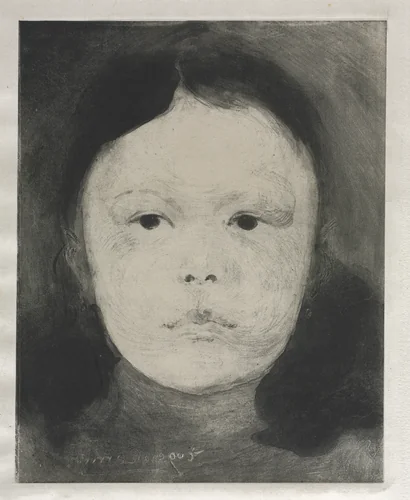
![Newborn in a Bonnet (Le nouveau-né au bonnet] by Eugène Carrière, print, 1890](https://img.artbee.org/d3ccc5f0-94ea-431f-9950-7c8e861b6af2/small.webp)